

Travel Guide
Mekong Delta Travel Guide – Life on the Floating Markets and River Villages
Introduction to the Mekong Delta
At the southern tip of Vietnam, the mighty Mekong River fans out into a vast maze of waterways, swamps and rice paddies known as the Mekong Delta. Dubbed the “Rice Bowl” of Vietnam, this fertile region produces more than half of the nation’s rice and feeds millions. The delta spans about 40,547 square kilometres—roughly the size of Switzerland—and consists of 13 provinces and one centrally administered city, Can Tho.
In this mekong delta travel guide, we explore the lively floating markets, coconut groves and tranquil villages that make this watery world so enchanting. We also share how GrandViet Tour can help you navigate the delta smoothly, connect with local communities and travel responsibly.
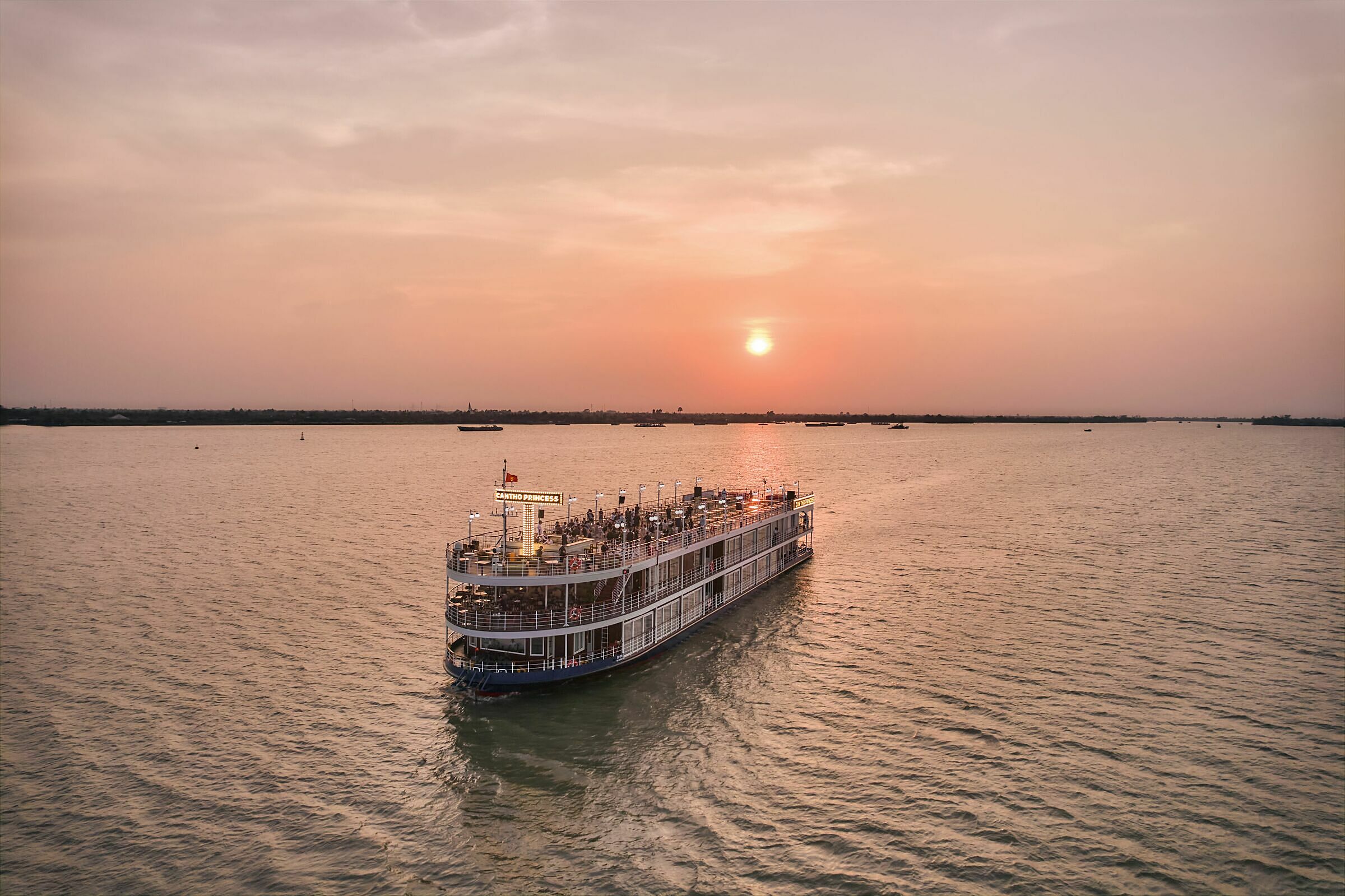
Sunrise over the Mekong River painting the sky in pastel shades - mekong delta travel guide
Mekong Delta Travel Guide – Key Highlights
Life in the Mekong Delta revolves around water. Here are the experiences not to miss:
- Floating Markets: Wake before dawn to witness bustling trade on the river. Cai Rang and Phong Dien near Can Tho are the largest; smaller markets like Nga Bay in Hau Giang or Tra On in Vinh Long offer more local flavours. Boats loaded with pineapple, mango and jackfruit crowd the waterways as vendors advertise their goods with poles mounted high above the decks.
- Coconut Kingdom: In Ben Tre province, endless coconut palms line narrow canals. Visit workshops where artisans produce coconut candy, oil and handicrafts, then sample the sweet treat yourself.
- Fruit Gardens & Homestays: Venture into orchards in Vinh Long, Tien Giang or Cai Be to pick tropical fruits like rambutan, pomelo and durian. Homestays offer the chance to cook with your host family and learn the secrets of southern cuisine.
- Cultural Heritage: Explore Khmer pagodas in Tra Vinh, Cham villages near Chau Doc and ancient houses in Sa Dec. These communities reflect the delta’s diverse cultural tapestry.
- Ecotourism Hotspots: Birdwatch at Tram Chim National Park, a sanctuary for sarus cranes, and take a boat through the Cajuput Forest of Tra Su.
From lively markets to serene mangroves, the Mekong Delta’s highlights reveal a mosaic of nature and culture.
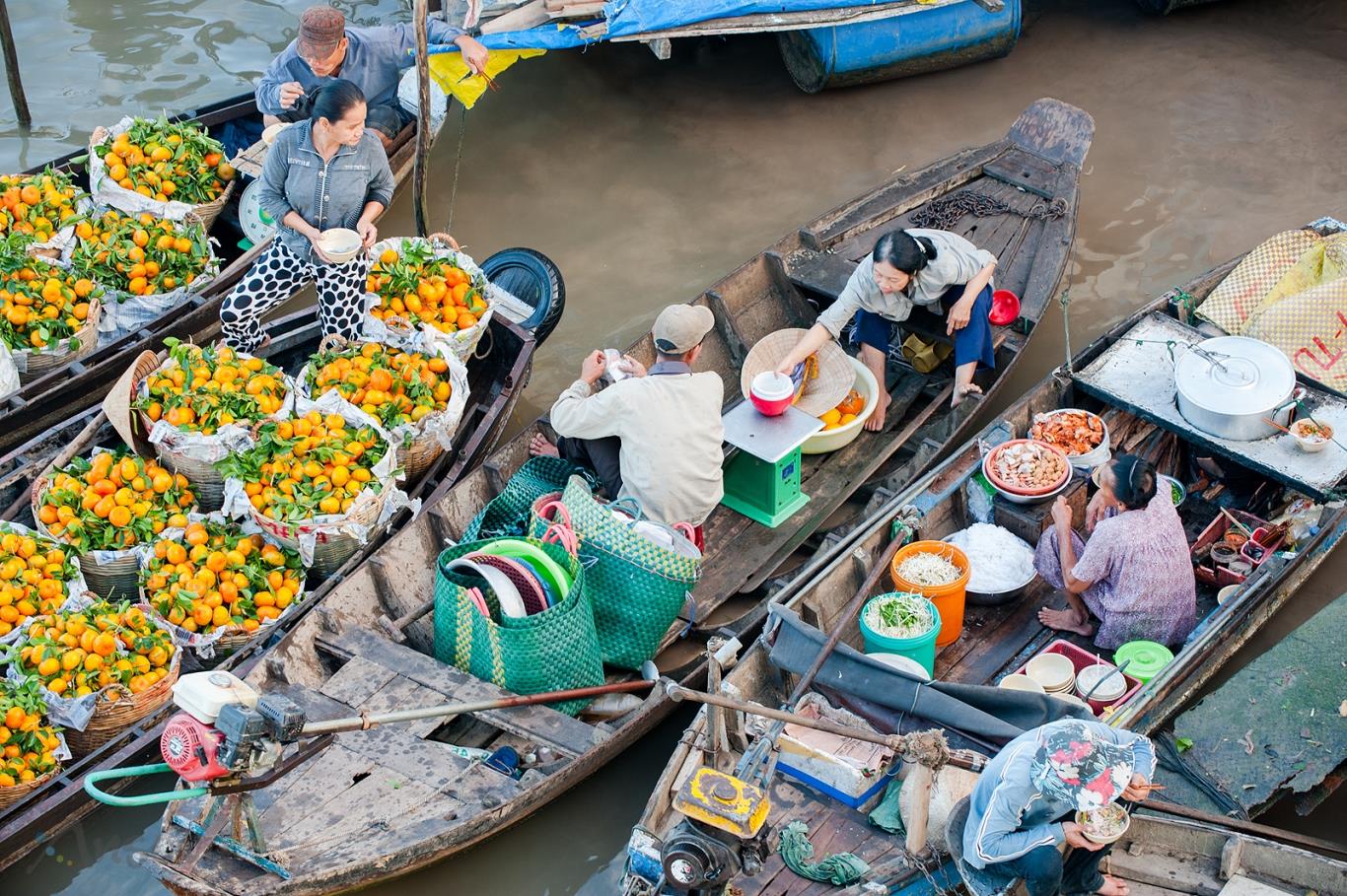
Vibrant boats trading fruit and flowers at Cai Rang Floating Market - mekong delta travel guide
When to Visit the Mekong Delta (Weather & Seasons)
The delta enjoys a tropical monsoon climate with two main seasons:
· Dry Season (December–April): Blue skies, lower humidity and temperatures around 28–33 °C make this the best time for sightseeing. Fields are lush green and waterways easy to navigate.
· Wet Season (May–November): Afternoon showers and occasional flooding transform the delta into a floating world. While rain can disrupt travel, it’s a unique time to witness boats gliding over submerged rice fields and locals adapting to the “floating season.”
The most comfortable months are February through April, when fruit orchards begin to ripen and tourists are fewer. However, the wet season brings vibrant landscapes and cooler temperatures—perfect for photographers. Our mekong delta travel guide ensures you’re prepared for any season, and GrandViet Tour offers customised tours based on weather and water levels.
Top Experiences & Itineraries - mekong delta travel guide
Day Trips:
If you have only one day, focus on a single province. From Ho Chi Minh City, many travellers choose My Tho or Ben Tre, both about two hours away. Highlights include a boat ride through nipa palm canals, visits to coconut workshops and tastings of local dishes like hu tieu (rice noodle soup) and banh xeo (crispy pancakes). Short trips also stop at Phoenix Island or Unicorn Island for folk music performances.
Multi- Day Journeys
- Two–Three Days: Combine the lively city of Can Tho with rural provinces. Day 1: Cruise from Ben Tre to observe coconut processing, cycle along quiet paths and stay in a homestay. Day 2: Rise early to experience Cai Rang Floating Market, then continue to Vinh Long to explore fruit orchards. Day 3: Visit Chau Doc near the Cambodian border to see Sam Mountain temples and the Cham community.
- Longer Adventures: For deeper immersion, choose a four‑ or five‑day loop from Ho Chi Minh City through Tra Vinh, Soc Trang, Chau Doc and Ha Tien. Cross into Cambodia via river cruise to Phnom Penh or continue to the island of Phu Quoc. GrandViet Tour arranges cross-border visas, comfortable transports and bilingual guides.
Activities:
· Kayaking & Rowing: Paddle down narrow waterways under a canopy of water palms.
· Cycling: Ride through lush villages, stopping at pagodas and markets.
· Cooking Classes: Learn to prepare iconic dishes using herbs harvested from garden plots.
· Birdwatching & Eco‑Tours: Boat through Tram Chim or Tra Su to spot rare birds and learn about wetland conservation.
We tailor itineraries based on your interests—whether you seek adventure, culture or relaxation.
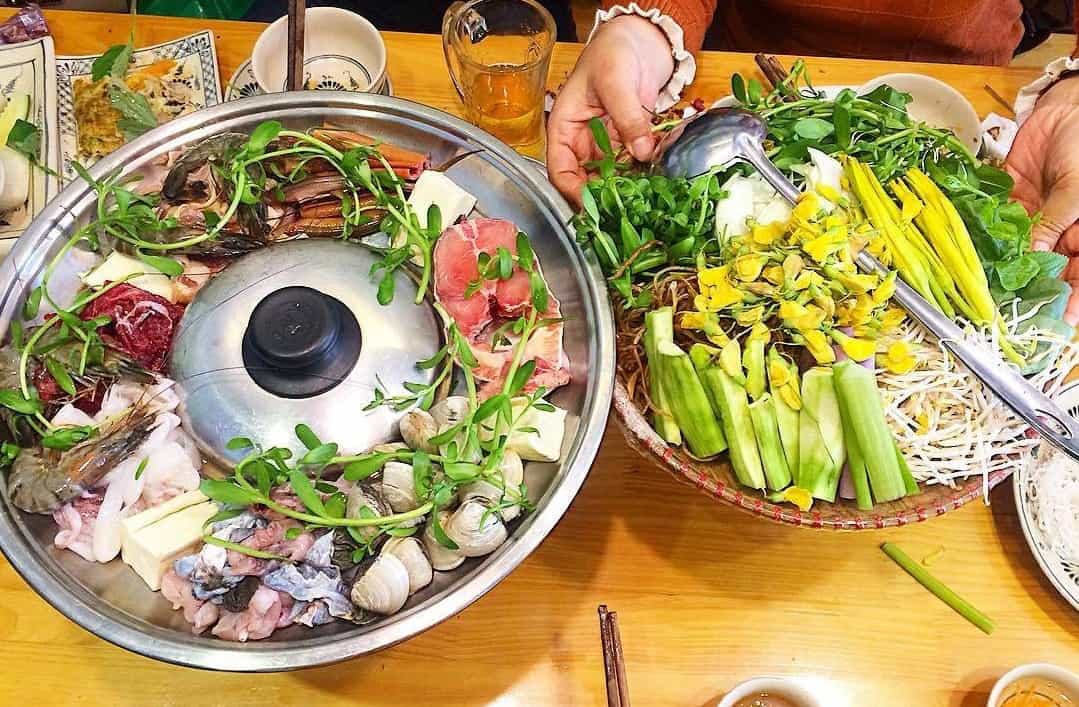
Learning to make bánh xèo at a family homestay - mekong delta travel guide
How to get Mekong Deltal?
Reaching the Mekong Delta is straightforward. Ho Chi Minh City is the main gateway. Travel options include:
GrandViet Tour arranges safe transportation with experienced drivers and knowledgeable guides to help you reach remote homestays and local markets effortlessly.
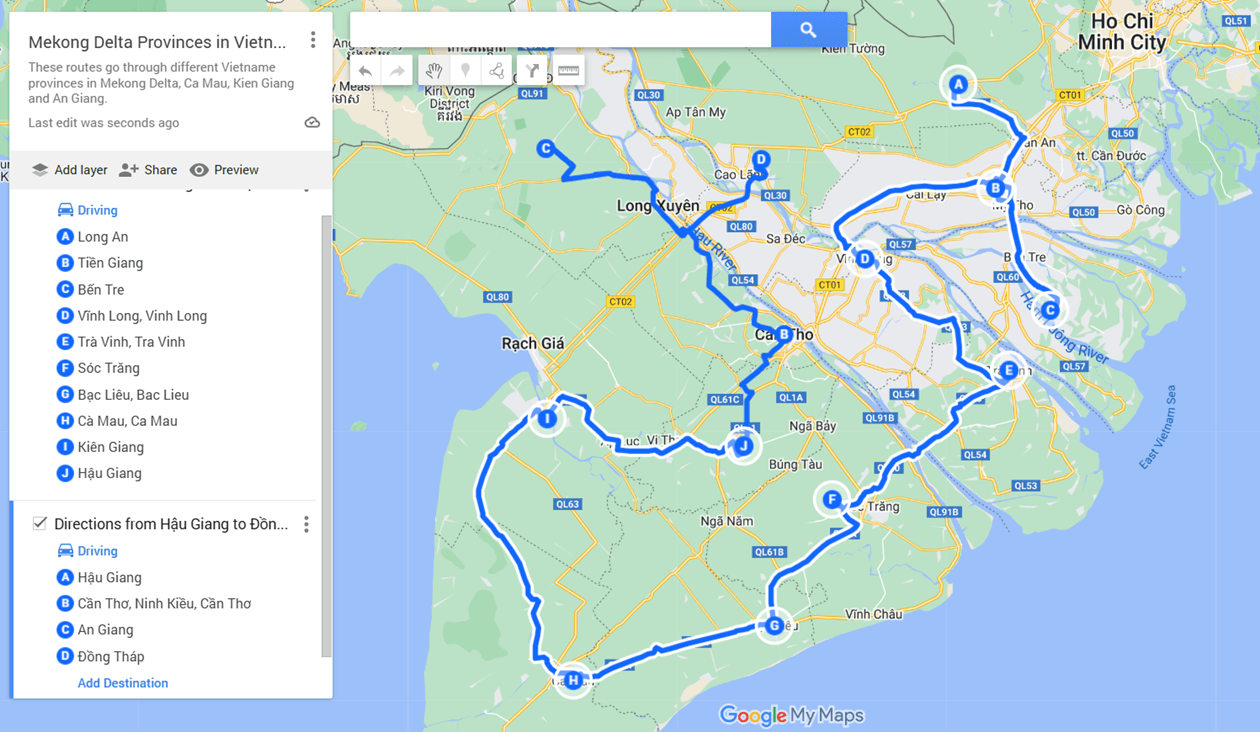
Illustrated map showing major routes from Ho Chi Minh City into the Mekong Delta
Where to Stay (Homestays and Riverside Lodges)
Mekong delta travel guide - Accommodations in the delta range from simple riverbank lodges to elegant resorts:
- Homestays: The most authentic option. Stay with local families in Vinh Long, Can Tho or Ben Tre. You’ll sleep in traditional wooden houses, enjoy home‑cooked meals and learn about daily life on the river.
- Eco‑Lodges: Some provinces offer eco‑friendly lodges amid orchards or rice paddies. Expect bamboo bungalows, solar lighting and serene views.
- City Hotels: In Can Tho, choose from modern hotels along the Hau River, boutique properties near Ninh Kieu Wharf, or mid-range guesthouses around the city’s lively food streets.
- Riverside Resorts: Upmarket resorts with pools and spa facilities are located near Tra Vinh, Chau Doc and Ha Tien. They provide easy access to attractions while offering comfort and privacy.
GrandViet Tour selects accommodations based on comfort, cleanliness and community benefit, ensuring your stay supports local livelihoods.
Travel Tips, Costs and Etiquette
-
Budgeting: Boat rides at floating markets cost around 50,000–150,000 VND (2–6 USD). Homestays charge 600,000–1,000,000 VND per night (25–40 USD), including meals. Guided day tours from Ho Chi Minh City start at 40 USD; multi‑day tours vary based on itinerary and lodging.
- Pack Essentials: Bring lightweight clothes, sunscreen, insect repellent, a hat and sturdy sandals. Raincoats are useful during wet season.
- Respect Local Customs: The delta is culturally diverse. Dress modestly when visiting temples or meeting elders. Ask permission before photographing people, especially monks or children.
- Environmental Responsibility: Avoid using single-use plastics. Carry a refillable bottle, and dispose of waste properly. Do not disturb wildlife or damage riverbanks.
- Safety & Health: Life jackets are provided on boat tours; wear them when kayaking. Drink bottled water, and be cautious of street food if you have a sensitive stomach.
Travelling with GrandViet Tour ensures you follow best practices, and our guides will explain local etiquette throughout the journey.
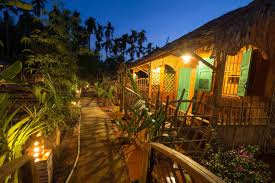
Vibrant street market in the Mekong Delta showing colourful lanterns and local produce
Why travel with Grandviet Tour?
At GrandViet Tour, we’ve spent over a decade sharing the Mekong Delta’s stories with travellers. Our small-group tours prioritise genuine interactions over tourist traps. We partner with local boat owners, farmers and artisans to ensure your money stays within the community. Our itineraries are flexible—choose a one-day glimpse or a week‑long immersion. We provide bilingual guides, comfortable transport and 24/7 support, so you can relax and soak up the delta’s serenity. Let us show you why the Mekong Delta is more than a landscape—it’s a way of life.
See more:
- Classic Places to Visit in Vietnam for First-Time Travelers
- Ha Giang Travel Guide: Loop Route, Ethnic Culture & Views
- Top Historical Sites in Vietnam Every Tourist Should Visit
- Hoi An Travel Guide: Ancient Town, Food & Tailor Tips
- Da Lat Travel Guide: Cool Weather, Nature & Things to Do
- Hue Travel Guide: Imperial Sites, Food & Local Tips
- Phu Quoc Travel Guide: Beaches, Night Markets & More
Tour Vietnam Here
FAQs
Q1: What is the Mekong Delta?
A1: It’s the region where the Mekong River splits into numerous channels before emptying into the South China Sea. Covering roughly 40,547 square kilometres with 13 provinces and one city[1], it’s Vietnam’s agricultural heartland.
Q2: How long should I stay in the Mekong Delta?
A2: A day trip offers a taste of delta life, but we recommend at least two days to experience floating markets and rural homestays.
Q3: Can I visit the Mekong Delta independently?
A3: Yes, but navigating local transportation and finding authentic homestays can be challenging. Booking through GrandViet Tour ensures convenience, safety and cultural insight.
Q4: Are there health risks in the delta?
A4: As with any tropical region, use insect repellent and drink bottled or filtered water. Carry basic medications and consult your doctor about vaccinations.
Q5: What are some must‑try dishes?
A5: Try hu tieu noodles, banh xeo pancakes, fresh tropical fruits and ca kho to (caramelised fish in clay pot).
Q6: Is the Mekong Delta suitable for children?
A6: Absolutely. Kids enjoy boat rides, fruit tastings and cultural activities. Choose a child-friendly itinerary and always supervise near water.
Q7: How does visiting support local communities?
A7: Responsible tourism provides income to farmers, boat operators and artisans. GrandViet Tour prioritises locally owned businesses and encourages travellers to buy handmade products rather than mass-produced souvenirs.
Other articles


© GrandViet Tour Co., Ltd. - International Tour Operator Licence 01-217/TCDL-GPLHQT.
Copyright © 2006 - 2020. All Rights Reserved.