

Travel Guide
Hoi An Travel Guide: Ancient Town, Food & Tailor Tips
Hoi An travel guide 2025: best time, getting there, top sights, food, beaches, tailors, and day trips. Plan a seamless Hoi An trip with GrandViet Tour support.
1. Introduction: Why Hoi An Travel Guide Matters
UNESCO‑listed Hoi An pairs ochre walls and wooden shop houses with lantern‑lit nights, riverside cafés, and quick detours to beaches and farms. This Hoi An travel guide helps you time the full‑moon festival, pick tailors, and balance food crawls with morning bike rides. As one of Vietnam's most enchanting destinations, Hoi An blends preserved heritage with welcoming hospitality, making it ideal for first‑timers and repeat visitors alike.

Lantern glow, riverside reflections, and heritage facades create Hoi An's magical atmosphere
2. Best Time to Visit & Weather
Understanding Hoi An's climate is crucial for planning a smooth trip. The best months are February–August with sunny, beach‑friendly days perfect for exploring the Ancient Town and nearby shores. September–December brings heavier rains and occasional typhoons—keep flexible indoor options. Evenings are cooler and photogenic year‑round; pack a light layer for winter months. For precise timing tips, this Hoi An travel guide favors early morning and late afternoon sightseeing to avoid heat and crowds.
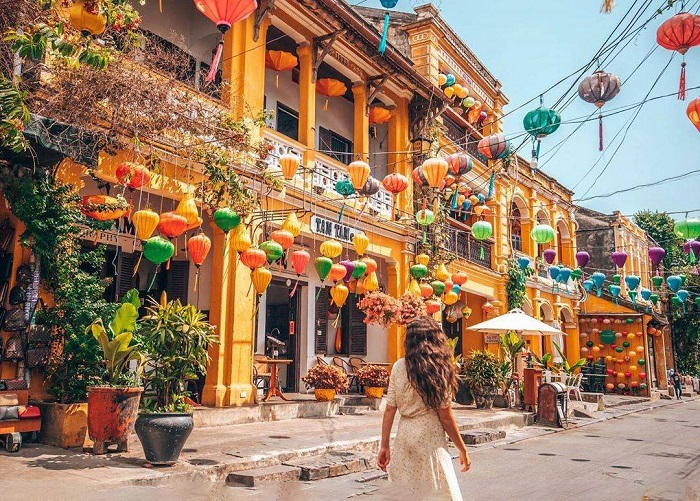
Drier months favor outdoor strolls and beach time in Hoi An
3. Getting There & Around
The nearest airport is Da Nang (DAD), 45–75 minutes by car. Pre‑book private transfers, taxis/Grab, or hotel shuttles for easy arrivals. Inside Hoi An, bikes and walking dominate; shuttles and taxis cover longer hops to An Bang beach or Tra Que village. Buy the Old Town pass at official booths to access selected heritage sites.
-
Typical fares: private car 350,000–500,000 VND; shared shuttle 120,000–160,000 VND; Grab varies by time/weather.
-
Rail: the nearest station is Da Nang; continue by car/shuttle ~45–60 minutes to Hoi An.
-
Buses: Da Nang–Hoi An buses run regularly; with heavy luggage, a pre‑arranged car is smoother.
-
Cycling: many hotels provide bikes; use designated parking on Old Town edges.
-
See related guides below on domestic flights and public transport for more detail.
This Hoi An travel guide recommends booking airport transfers in advance for convenience and time savings.

Short transfers, easy cycling, and walkable streets make Hoi An accessible
4. Top Attractions in Hoi An
4.1. Ancient Town Highlights
Hoi An's Ancient Town showcases ochre houses, assembly halls, Chinese temples, and historic homes from its merchant‑port heyday. Your ticket includes a set number of sights—split visits across two days for a relaxed pace. The UNESCO core preserves a rich blend of Vietnamese, Chinese, Japanese, and French influences that define this Hoi An travel guide favorite.

Layers of merchant history and craftsmanship await in Hoi An's Ancient Town
4.2. Japanese Covered Bridge
This 16th‑century wooden span is Hoi An’s emblem. Arrive at blue hour or early morning for calm photos. Respect pedestrian rules and any restoration barriers. The small shrine inside and the bridge’s elegant curvature make it a must‑see highlight of any Hoi An travel guide itinerary.

Graceful curves between guild streets create Hoi An's most photographed landmark
4.3. Assembly Halls & Museums
Visit Fujian and Chaozhou assembly halls, the Museum of Folk Culture, and craft exhibits that reveal the town’s community and trade networks. Dress modestly, keep voices low, and ask before photographing indoors. These venues add depth to a Hoi An travel guide focused on culture, worship, and craftsmanship.

Incense coils, dragon pillars, and silk banners adorn Hoi An's assembly halls
4.4. Lantern Festival (Monthly)
On full‑moon nights, lights dim and lanterns shimmer on the Thu Bon River. Book dinners early, arrive before dusk, and expect crowds—it’s atmospheric and worth it. Boat rides are popular; verify prices at official counters. Many readers of our Hoi An travel guide plan trips to coincide with this monthly event.
5. Tailor Tips & Shopping
Hoi An is renowned for custom clothing with 24–48‑hour turnarounds. Allow time for at least two fittings. Bring references (photos, old garments), inspect fabric weaves and lining quality, and confirm details in writing (stitching, buttons, vents). Compare 2–3 shops, read recent reviews, and avoid high‑pressure tactics. Take home foldable lanterns, leather goods, ceramics, tea, and spices—souvenirs that travel well.
-
Pricing guide (approx.): shirts from US$30–45; dresses US$40–120; suits US$100–300 depending on fabric.
-
Fabrics: ask for breathable linens/cotton for summer; check wool blend percentages for suits.
-
Logistics: request labeled measurements and digital patterns for future orders; consider DHL/EMS shipping.
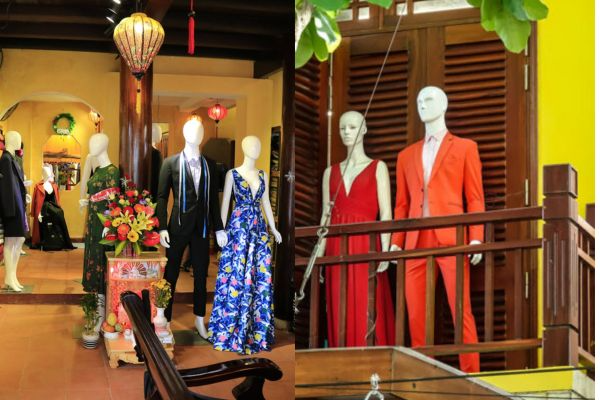
Good fit comes from clear references and time for fittings in Hoi An's renowned tailor shops
6. Food & Cafés
Local signatures include cao lau, mi Quang, white rose dumplings, chicken rice, and standout banh mi. Pair with herbal teas, coconut coffee, or fresh juices along the river. Seek family‑run stalls for authentic flavors. This Hoi An travel guide suggests sampling cao lau where noodles are made with traditional well water, unique to Hoi An.
-
Neighborhood picks: riverside lanes for evening bites; Cam Nam island for rustic snacks; An Bang for seafood.
-
Dietary notes: vegetarian/vegan menus are increasingly common; ask for “khong thit/khong hai san.”
-
Experiences: try a cooking class or morning market tour for deeper food context.
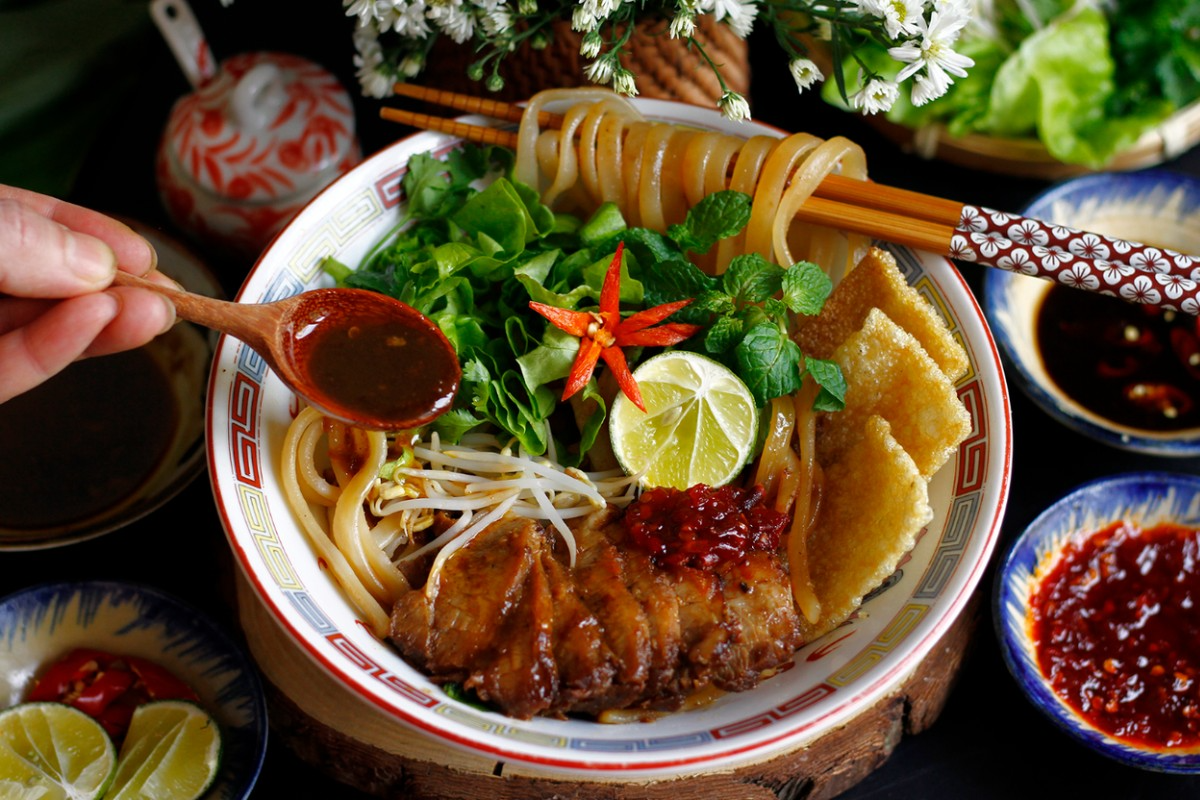
Hoi An's signature cao lau noodles and other local specialties showcase the town's culinary heritage
7. Beaches & Village Life
Beyond the Old Town, An Bang Beach offers soft sand and clear water; early mornings are best for swims and photos. Cycle through Tra Que’s herb gardens, take a basket‑boat ride on coconut waterways, and watch sunset from rice‑paddy lanes. These slow moments round out a balanced Hoi An travel guide experience.
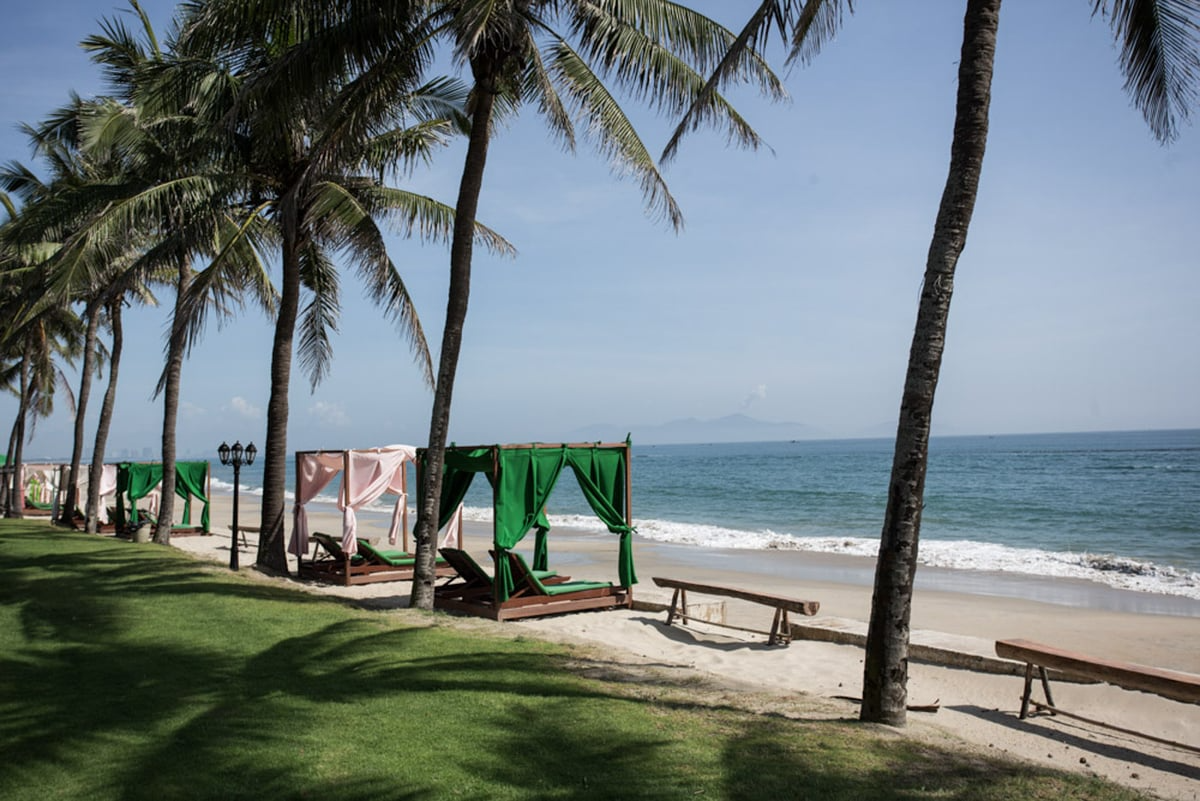
An Bang Beach offers pristine sands and clear waters just minutes from Hoi An's ancient town
8. Day Trips: My Son Sanctuary & Marble Mountains
Add context with the Champa temples of My Son (best early morning) and Da Nang’s Marble Mountains (caves, pagodas, and sea views). Go with a licensed guide to enrich the stories behind the stones and to streamline transport. This Hoi An travel guide recommends buffering time during rainy months.
-
Distances & time: Hoi An → My Son ~40 km (~1–1.5 h each way); Hoi An → Marble Mountains ~20 km (~40–50 min).
-
Combo option: pair Marble Mountains with a Da Nang city/food tour; keep My Son as a dedicated half‑day.

My Son Sanctuary's ancient Champa temples offer a glimpse into Vietnam's rich cultural heritage
9. Where to Stay
Stay in or near the Ancient Town for nighttime ambiance and easy access; riverside properties suit couples; homestays in villages offer local life. Book ahead for peak months and full‑moon dates. Families may prefer resorts with beach shuttles. As always, this Hoi An travel guide favors walkable locations to cut transfer time.
-
Areas: Old Town (heritage/boutique), Cam Pho/Cam Nam (quiet, close to center), An Bang (beach time).
-
Budget cues (indicative): boutique from ~US$40–90; riverside/luxury ~US$120+; homestays from ~US$20–40.

Riverside hotels in Hoi An offer beautiful views and romantic settings for your stay
10. Suggested Itineraries (2–4 Days)
-
2 days: Ancient Town ticketed sights, Japanese Bridge, tailor consult + first fitting, evening lantern stroll, cao lau tasting, beach sunrise.
-
3 days: Add Tra Que cycling and a day‑trip (My Son or Marble Mountains), second tailor fitting, coffee on the river.
-
4 days: Both day‑trips, extra beach time, museum rounds, and a food crawl.
This Hoi An travel guide advises early starts for softer light and fewer crowds.
11. Practical Tips & Etiquette
Dress modestly in temples and assembly halls. Learn a few phrases (xin chao, cam on). Carry some cash for markets; cards are not universal. Ask before photographing people. Keep tickets handy for staffed entrances. This Hoi An travel guide also recommends travel insurance and rain plans during Sep–Dec.
-
Money & connectivity: ATMs are common; notify your bank. Buy a local SIM/eSIM at Da Nang airport for maps and ride‑hail.
-
Safety: pedestrian zones can be busy at night—watch steps by the riverbank; keep valuables zipped.
-
Seasonality: bring a compact raincoat in autumn; some lanes can flood temporarily after heavy rain.
12. GrandViet Tour: Your Hoi An Travel Guide Partner
GrandViet Tour crafts seamless Hoi An journeys—from Da Nang airport pickup and curated hotels to expert‑led walks in the Ancient Town and guided day trips to My Son. We optimize timing for lantern nights, book reputable tailors, and reveal hidden eateries. Expect quality service, fair pricing, and 24/7 on‑spot support.
With local know‑how, we combine efficiency and authenticity so your Hoi An travel guide itinerary feels effortless: balanced pacing, vetted drivers, and flexible buffers when weather shifts.
13. Conclusion
This comprehensive Hoi An travel guide has covered when to go, how to move, what to see, and where to eat and stay—plus practical etiquette and tailor tips. Hoi An’s charm comes alive when you slow down, join the rhythms of the riverfront, and savor craft and cuisine between heritage stops.
Plan with GrandViet Tour for a custom route that fits your style and time. From flights and transfers to day trips and dining, we align the details so you spend more time exploring and less time organizing.
See more:
- Da Lat Travel Guide: Cool Weather, Nature & Things to Do
- Hue Travel Guide: Imperial Sites, Food & Local Tips
- Phu Quoc Travel Guide: Beaches, Night Markets & More
- Nha Trang Travel Guide: Beaches, Attractions & Tips
- Ho Chi Minh City Travel Guide: What to See, Eat & Experience
- Hanoi Travel Guide: What to See, Eat & Experience
- Southern Vietnam Travel Guide: Best Places to Explore
Tour Vietnam Here
14. Frequently Asked Questions
Q: What is the best time to visit Hoi An?
A: February to August for beach‑friendly weather. September–December can be rainy; build flexible plans.
Q: How many days do I need in Hoi An?
A: 2–3 days covers highlights; 4 days adds day trips and beach time.
Q: Is Hoi An safe for tourists?
A: Yes—low crime and friendly locals. Use normal travel sense and secure valuables in crowds.
Q: How much should I budget for tailoring?
A: Simple garments from ~US$30–50; suits ~US$100–300 depending on fabric and complexity. Allow time for fittings.
Q: Can I visit Hoi An as a day trip from Da Nang?
A: Possible, but staying overnight reveals lantern evenings and quiet mornings—the essence of this Hoi An travel guide destination.
Q: What should I wear?
A: Light, breathable layers; modest outfits for sacred sites; comfortable shoes for cobblestones.
Q: How do I get from Da Nang airport to Hoi An?
A: Private car (45–75 min) is most convenient. Shuttles and Grab cars are cheaper; book ahead in peak hours.
Q: Do shops and restaurants accept cards?
A: Larger venues do; markets and small cafés prefer cash. ATMs are widespread—carry small notes for tickets and snacks.
Q: Can I use eSIM in Vietnam?
A: Yes. Buy an eSIM or local SIM at the airport for reliable data, ride‑hailing, and translation apps.
Other articles









© GrandViet Tour Co., Ltd. - International Tour Operator Licence 01-217/TCDL-GPLHQT.
Copyright © 2006 - 2020. All Rights Reserved.