

Travel Guide
Dray Nur Waterfall – The Thunder of the Central Highlands
Introduction to the Dray Nur Waterfall
On the border between Dak Lak and Dak Nong provinces, the Serepok River crashes over ancient lava beds to form Dray Nur Waterfall—a powerful 30‑meter drop stretching 250 meters across. Its name, meaning “female waterfall” in the Ede language, contrasts with neighboring Dray Sap (“male” waterfall), together creating one of Vietnam’s most dramatic cascade systems. Standing before Dray Nur, you feel the earth tremble and the air vibrate with mist and thunder.
At GrandViet Tour, we believe that Dray Nur is not just a waterfall but a gateway to understanding the culture and ecology of the Central Highlands. In this guide, we share insights on when to visit, what to do, and how traveling with us brings this region to life.
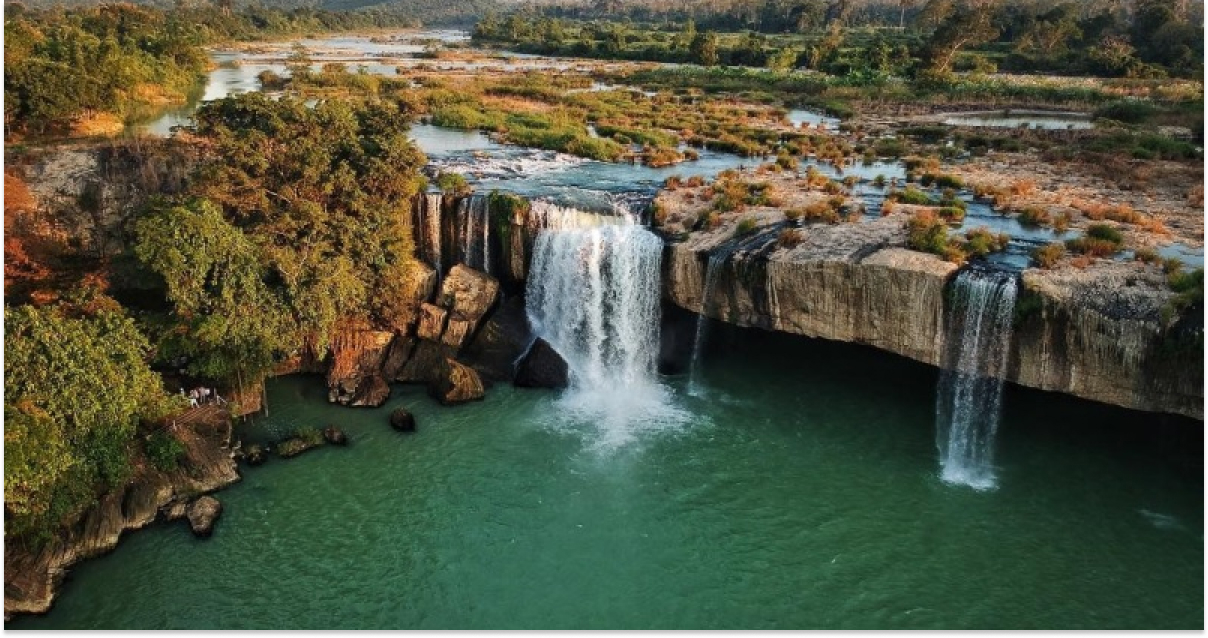
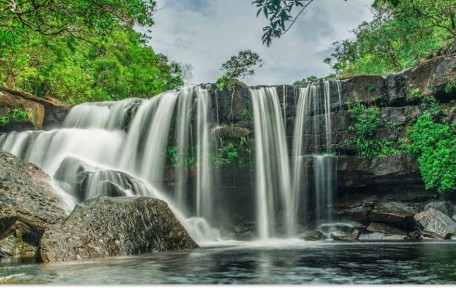
The broad curtain of Dray Nur Waterfall roaring over basalt cliffs.
Dray Nur Waterfall – Key Highlights
Dray Nur is part of a trio of waterfalls—along with Dray Sap and Gia Long—formed by the Serepok River’s encounter with ancient volcanic rock. Highlights include:
- Massive width: Dray Nur spans roughly 250 meters, creating a wide curtain of falling water.
- Volcanic origins: The falls flow over basalt rock formed from prehistoric eruptions, resulting in unique geological formations.
- Natural cave: A cave hidden behind the waterfall allows adventurous visitors to feel the falls’ power from within (during dry season).
- Surrounding forest: Dense rainforest teems with birds, orchids, and wildlife; the area is part of Yok Don National Park’s ecosystem.
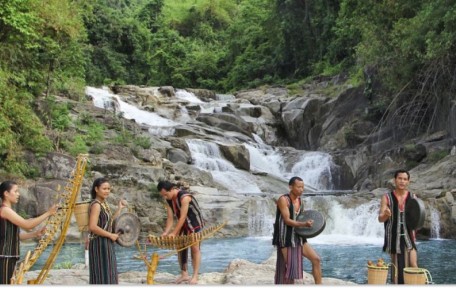
- Ethnic culture: The region is home to Ede and M’Nong communities with rich traditions of gong music and coffee cultivation.
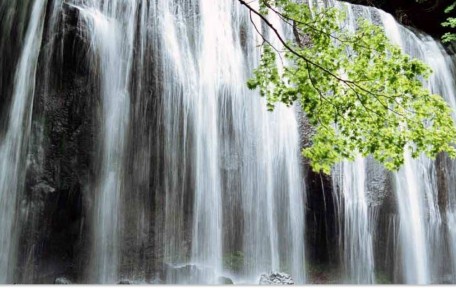
When viewed from the riverbank, Dray Nur’s sheer scale inspires awe and respect for nature’s force.
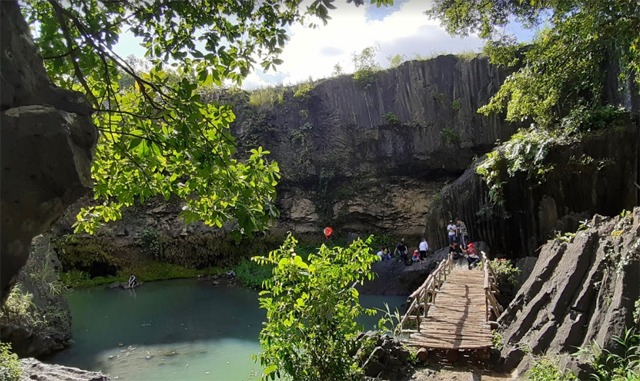
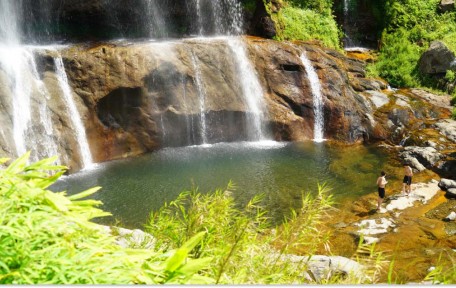
Explorers entering the cave behind Dray Nur waterfall during the dry season.
When to Visit Dray Nur Waterfall (Weather & Seasons)
The Central Highlands experiences two main seasons:
- Rainy season (May – November): Heavy rains make Dray Nur and nearby falls thunderous. The flow is most impressive but trails can be slippery. Temperatures average 23–28 °C.
- Dry season (December – April): Water volume decreases slightly, revealing caves and allowing safe passage behind the falls. The climate is cooler (18–25 °C), ideal for trekking.
We recommend visiting during June to August for dramatic water flow or January to March for accessible trails and clear skies.
Top Experiences & Itineraries
.jpg)
Dray Nur Waterfall can be enjoyed as a standalone excursion or part of a multi‑site adventure:
Half‑Day Excursion
Drive from Buon Ma Thuot (30 kilometers away) and walk down the paved path to the viewing platforms. During the dry season, carefully descend to the rocks near the base and explore the cave behind the falls.
Full‑Day Waterfall Tour
Combine Dray Nur with Dray Sap and Gia Long waterfalls. After exploring Dray Nur, follow the river upstream to Dray Sap (a 20‑minute drive) and cross a wooden suspension bridge to reach Gia Long. Enjoy a picnic near the forest or lunch at a local Ede house.
Highlands Cultural Journey
Spend a night in a local homestay or eco‑lodge, learning about Ede or M’Nong customs. Visit coffee plantations, taste traditional wines, and listen to gong music performed by village elders. This two‑day itinerary pairs natural wonders with cultural immersion.
GrandViet Tour guides provide context and logistical support for each itinerary, ensuring safe travel along sometimes rugged roads.
How to Get Dray Nur Waterfall (From Buon Ma Thuot & Other Hubs)
Dray Nur Waterfall is about 30 kilometers southwest of Buon Ma Thuot, the capital of Dak Lak province.
- By car or motorbike: Travel along National Highway 14 and turn onto provincial roads toward the falls. The journey takes around 45 minutes. We provide private transfers for comfort and safety.
- By bus: Local buses from Buon Ma Thuot to Gia Long or Dray Sap can drop you near the entrance. You’ll need a motorbike taxi for the final stretch.
- From Ho Chi Minh City: Overnight sleeper buses run to Buon Ma Thuot (7–8 hours). Many travelers then join a guided day trip to the waterfalls.
Signage can be sparse; traveling with GrandViet Tour ensures you don’t miss turnoffs or hidden parking areas.
Where to Stay - Dray Nur Waterfall (Homestays & Eco‑Lodges)
.jpg)
While many visitors base themselves in Buon Ma Thuot, overnight stays near Dray Nur are also possible:
- Eco‑lodges: A few lodges along the Serepok River offer wooden bungalows, allowing you to wake up to birdsong and distant waterfall rumble.
- Ethnic homestays: Ede and M’Nong families welcome guests into traditional longhouses. Meals include local specialties like bamboo‑tube rice and grilled chicken.
- Buon Ma Thuot hotels: A range of hotels from budget to mid‑range provide easy access to city amenities and the waterfall region.
GrandViet Tour inspects accommodations regularly, partnering with hosts committed to cleanliness and cultural authenticity.
Travel Tips, Costs & Etiquette - Dray Nur Waterfall
.jpg)
To ensure a fulfilling trip to Dray Nur Waterfall, consider the following:
- Entrance fee: Expect to pay 30,000–50,000 VND per person. Additional small fees apply for parking.
- What to bring: Lightweight clothing, sturdy shoes, hat, sunscreen, insect repellent, swimwear (for nearby pools), and a waterproof bag for electronics.
- Safety: Rocks can be slippery; stay on marked trails and avoid venturing behind the waterfall in the rainy season.
- Cultural sensitivity: The area is sacred to local communities. Dress modestly and ask permission before photographing people.
- Food & drink: Bring snacks or purchase simple meals from vendors near the parking area. Please dispose of waste properly.
Costs in the Central Highlands are modest; meals at local eateries cost around 60,000–100,000 VND. We encourage responsible behavior—use refillable water bottles and support artisans selling handmade baskets or coffee.
Why Travel with GrandViet Tour
Traveling to Dray Nur Waterfall with GrandViet Tour ensures a deeper connection with this powerful waterfall and the cultures around it:
- Knowledgeable guides: Learn about volcanic geology, local legends, and the importance of the Serepok River to regional livelihoods.
- Tailor‑made experiences: From single‑day excursions to multi‑site tours, we customize itineraries to your interests.
- Smooth logistics: We handle transport, tickets, meals, and accommodations, freeing you to enjoy the journey.
- Sustainable tourism: We support local communities through fair wages and encourage eco‑friendly practices.
Let us lead you to the thunderous beauty of Dray Nur and its neighboring cascades. Join GrandViet Tour and experience the heart of Vietnam’s Central Highlands.
See more:
- Classic Places to Visit in Vietnam for First-Time Travelers
- Ha Giang Travel Guide: Loop Route, Ethnic Culture & Views
- Top Historical Sites in Vietnam Every Tourist Should Visit
- Hoi An Travel Guide: Ancient Town, Food & Tailor Tips
- Da Lat Travel Guide: Cool Weather, Nature & Things to Do
- Hue Travel Guide: Imperial Sites, Food & Local Tips
- Phu Quoc Travel Guide: Beaches, Night Markets & More
Tour Vietnam Here
FAQs
Q1: Where is Dray Nur Waterfall?
A1: Dray Nur straddles the Dak Lak–Dak Nong border, about 30 kilometers southwest of Buon Ma Thuot City.
Q2: How big is the waterfall?
A2: It drops roughly 30 meters in height and stretches about 250 meters across, making it one of the largest waterfalls in Vietnam by width.
Q3: What’s the difference between Dray Nur and Dray Sap?
A3: Dray Nur (“female”) and Dray Sap (“male”) are neighboring cascades along the Serepok River. Dray Nur is wider and more accessible; Dray Sap is taller and narrower.
Q4: Can I go behind the waterfall?
A4: During the dry season, a cave behind Dray Nur allows visitors to feel the falls from within. It’s unsafe in the rainy season due to strong currents.
Q5: What’s the best time to visit?
A5: Visit June to August for powerful flow or January to March for dry trails and a chance to explore the cave safely.
Q6: How long should I plan for a visit?
A6: A half‑day is sufficient for Dray Nur alone. To see Dray Sap and Gia Long as well, allocate a full day.
Q7: Why travel with GrandViet Tour?
A7: Because we combine expert guides, flexible itineraries, and sustainable practices to provide an enriching, worry‑free experience at Dray Nur and beyond.
Other articles



© GrandViet Tour Co., Ltd. - International Tour Operator Licence 01-217/TCDL-GPLHQT.
Copyright © 2006 - 2020. All Rights Reserved.