

Travel Guide
Hue Travel Guide: Imperial Sites, Food & Local Tips
Hue Travel Guide 2025: Explore imperial citadels, royal tombs, riverside life, and cuisine. Practical routes, insider tips, and GrandViet Tour’s expert help.
1. Introduction: Why Hue Travel Guide Matters
Hue preserves Vietnam’s imperial soul—citadel walls, dragon roofs, lotus ponds, and a poetic river that sets the city’s pace. This Hue travel guide gathers the essentials: what to see first, how to connect sites efficiently, where to taste royal‑inspired cuisine, and when to travel for the best light and weather. It’s written for travelers who want culture without the rush, and for planners who want a clear route from airport to palace gates.
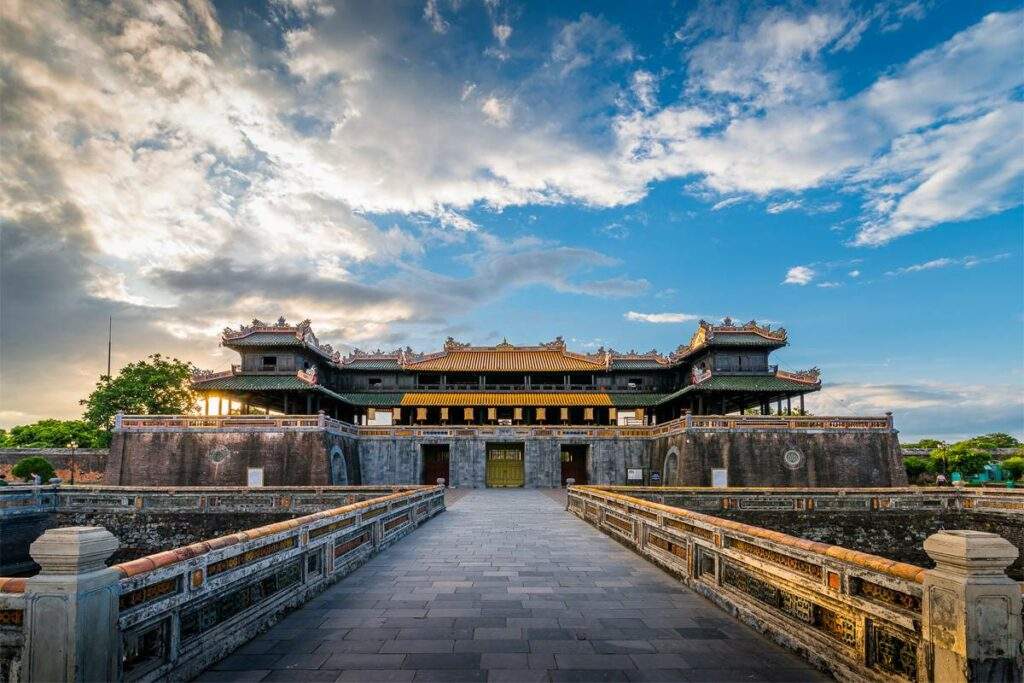
Moss‑clad brick and lacquered halls hold centuries of stories
2. Best Time to Visit & Weather
Hue’s climate splits between a bright dry season and a cooler wet season. From February to August, skies are clearer and days longer; May to August can be hot at midday, so start early and break for a riverside lunch. Rains arrive from September to December, when showers alternate with luminous, camera‑friendly skies. If your Hue travel guide centers on photos and gentle walks, favor February–April and October. Festival years bring court music, ao dai parades, and night performances that light the citadel walls.
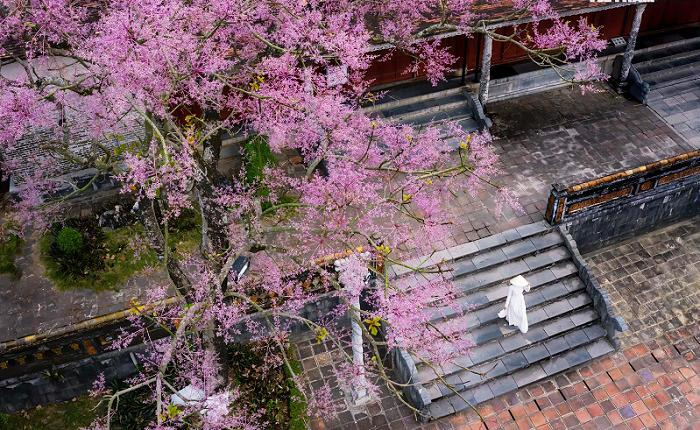
Spring and early summer favor citadel walks and river cruises
3. Getting There & Around
Fly into Phu Bai Airport (HUI) and transfer 30–45 minutes to the center; trains and premium buses link Hue with Da Nang and Hoi An. The Hai Van Pass is a scenic drive or rail segment that turns a transfer into a highlight. Within the city, short taxi or Grab rides stitch together the imperial sites, while bicycles suit the calm lanes north of the river. For timetables and how flights and public transport fit your wider route, see our companion guides: Domestic Flights in Vietnam and Public Transport in Vietnam.
As a practical Hue travel guide tip, combine a morning arrival with an easy riverside lunch, then explore Thien Mu or a garden house before the Citadel the next morning. If you’re coming from Da Nang or Hoi An, consider the train over the Hai Van Pass for views, then a quick taxi to your hotel. This Hue travel guide favors transfers that double as experiences rather than chores.
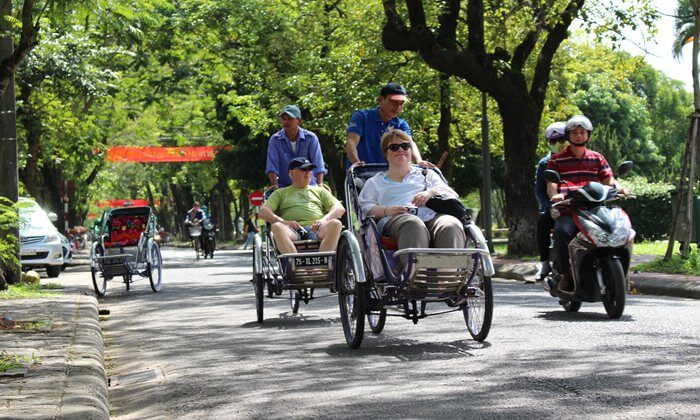
Arrive via coastal passes or riverside roads—both are poetic
4. Top Attractions in Hue
Hue concentrates Vietnam’s imperial legacy into a compact, walkable set of landmarks. Plan a rhythm: one major site in the morning, a lighter stop in the afternoon, and a river moment at dusk. The core of this Hue travel guide is the trio of the Citadel, Thien Mu Pagoda, and the royal tombs, each revealing a different mood—ceremonial, contemplative, and personal.
4.1. Imperial City (The Citadel)
The walled heart of Hue is a layered complex of moats, gates, sunlit courtyards, and throne rooms. Enter via Ngo Mon Gate, step through the Hall of Supreme Harmony, and continue to the Forbidden Purple City, where delicate restorations bring woodwork and lacquer to life. Give yourself two to three unrushed hours, dress modestly, and hire a licensed guide if you enjoy stories of court rituals and architecture.
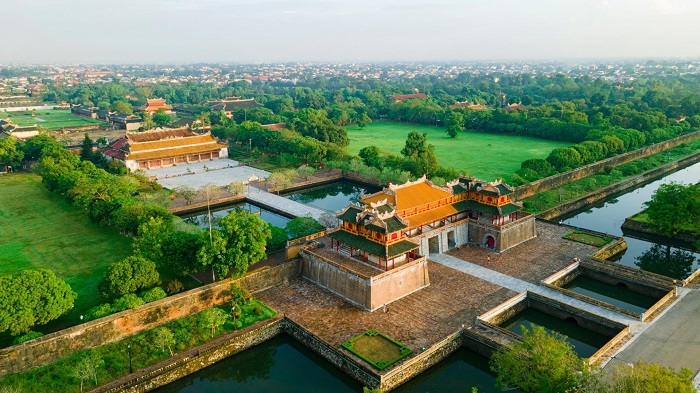
Ornate halls and courtyards reflect the Nguyen legacy
4.2. Thien Mu Pagoda
Perched above a curve of the Perfume River, Thien Mu’s seven‑tier tower has become the city’s postcard. The approach by dragon boat is classic; sunset angles bring warm tones to stone and water. Keep voices low in the temple precincts and step aside for worshippers.

Seven‑tier tower and scented breezes above the river
4.3. Royal Tombs (Minh Mang, Khai Dinh, Tu Duc)
Each tomb expresses a ruler’s taste. Minh Mang spreads across lakes and bridges with serene symmetry. Khai Dinh rises in dark stone, culminating in a theatrical, mosaic‑laden throne room. Tu Duc meanders through gardens and pavilions that invite quiet pauses. Visiting two in one day balances variety and time.

Three distinct visions of royal afterlife
4.4. Perfume River & Garden Houses
Evenings on the river are Hue at its gentlest: boats glide, music carries, and the city breathes slower. On land, traditional garden houses—especially An Hien—show refined domestic architecture, with fruit trees, carp ponds, and open halls that catch light and breeze.

Riverside rhythms slow the city to a graceful pace
4.5. Hue Museum & Cultural Performances
Small museums gather court costumes, ceramics, and antiques; during festival periods, the city stages court music and áo dài shows along the walls. Check schedules upon arrival—programs shift with seasons and events.
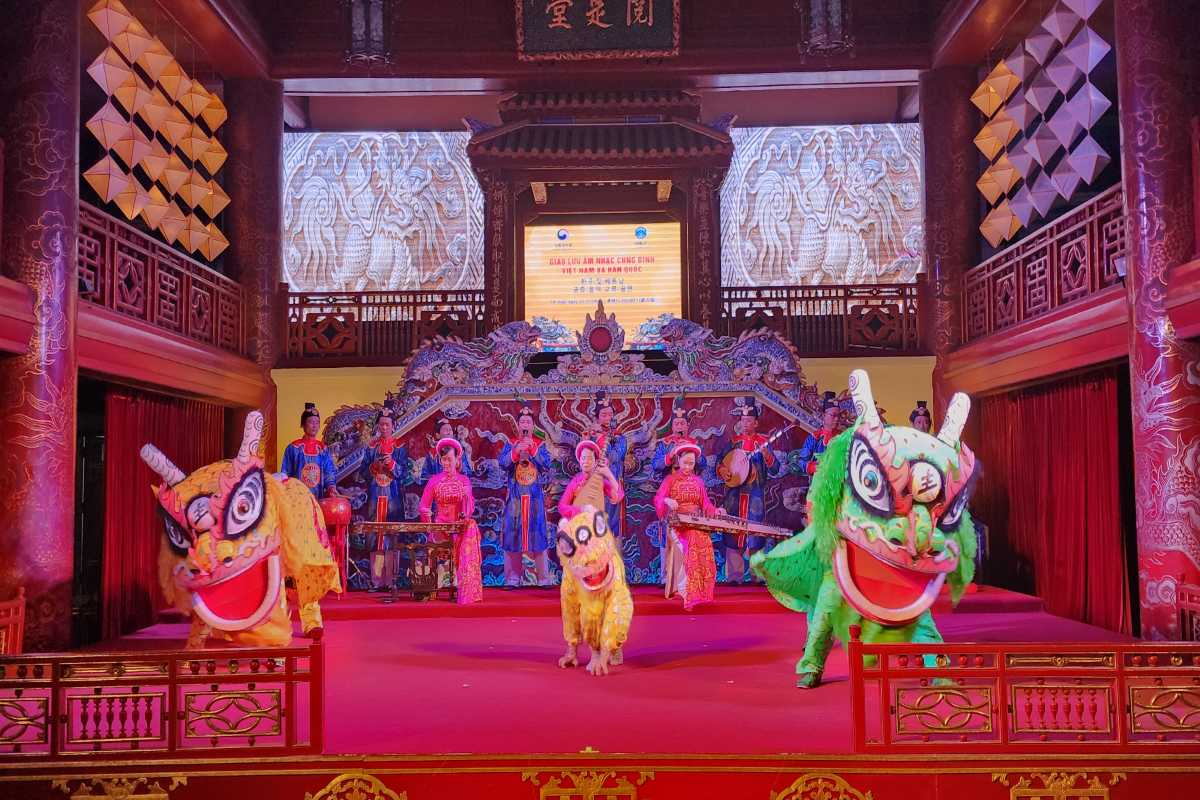
Court music and artifacts animate the past
5. Food & Drink: Hue Travel Guide for Food Lovers
Hue’s cuisine moves between bold street bowls and delicate royal snacks. Start with bun bo Hue—a fragrant, spicy beef noodle soup layered with lemongrass and chili oil. Follow with trays of small rice cakes: banh beo topped with shrimp floss, banh nam steamed in banana leaves, and translucent banh loc with chewy tapioca. Vegetarian restaurants near pagodas offer elegant plant‑based dishes built on mushrooms, tofu, and seasonal greens. End with sesame candy and lotus tea. In this Hue travel guide, we recommend eating light at lunch to keep afternoons comfortable, then exploring night markets or riverside stalls when the air cools.
For drinks, look for lotus tea, iced coffee with condensed milk, and herbal infusions served in shady courtyards. A short tasting walk—savory, then sweet—fits naturally between riverside sunsets and evening shows. This Hue travel guide favors small, owner‑run spots with steady local crowds.
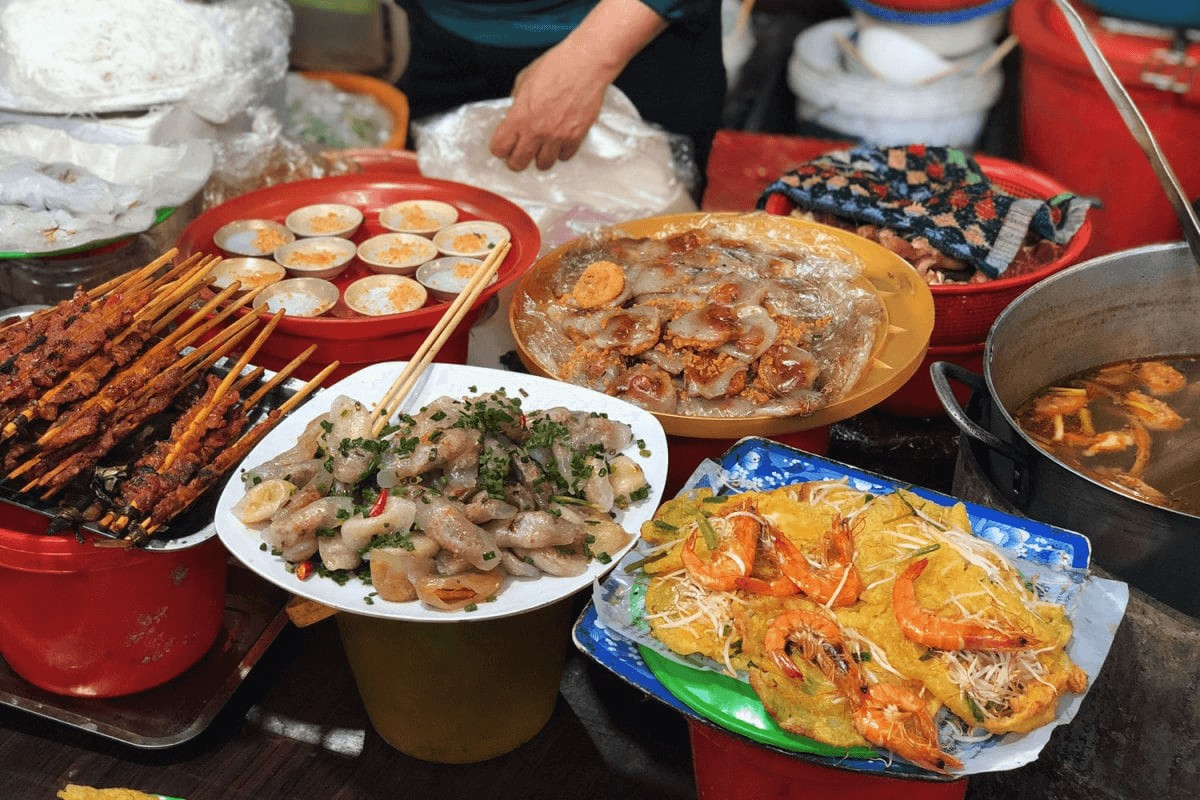
From fiery broths to elegant bites crafted for royals
6. Where to Stay
Choose your base by mood. Along the river, boutique hotels hide courtyards and plunge pools—ideal for midday breaks in hot months. The compact city center places you near markets and cafés if you prefer to walk everywhere. North of the river and on quieter outskirts, garden houses and retreats exchange bustle for birdsong. For families, look for connecting rooms and shaded pools; for couples, consider smaller heritage stays with bikes on loan. This Hue travel guide leans toward locations that minimize transfer time between the Citadel, the major tombs, and evening river stops.
If you plan a longer stay, alternate heritage days with a beach or hill escape to keep energy balanced. GrandViet Tour can pre‑arrange early check‑ins or late check‑outs so your Hue travel guide itinerary runs smoothly even when flights arrive at odd hours.
7. Day Trips & Nearby Sites
If you have extra time, the coast and hills open tempting detours. Thuan An Beach lies within easy reach for a salty reset; early mornings bring soft light and calm seas. Thanh Toan’s tiled bridge anchors photogenic countryside, where markets, rice paddies, and bicycles frame daily life. To the south, Bach Ma National Park offers cool forest air, short hikes to waterfalls, and big views toward both sea and lagoon. A well‑sequenced Hue travel guide will slide one of these into a three‑ or four‑day plan without rushing the city’s imperial core.
For photographers, misty starts at Bach Ma or golden hour at Thanh Toan align well with a late breakfast or an early dinner in town. This Hue travel guide suggests pairing a half‑day outing with a light cultural stop rather than stacking major sites back‑to‑back.
8. Suggested Itineraries (2–4 Days)
Two days cover the essentials. Start with the Citadel on Day 1, pausing for lunch in the shade before an afternoon at Thien Mu and a sunset boat ride. Day 2 joins two royal tombs—Khai Dinh for drama with mosaic brilliance and Minh Mang for harmony—then adds a garden house and a quiet café break.
With a third day, return to the Citadel for corners you missed, or choose Tu Duc’s reflective paths and a cultural performance at night. Four days welcome a foray to Bach Ma or Thuan An Beach, plus market browsing and a slow evening walk along the river. Throughout this Hue travel guide, we prioritize sequences that reduce backtracking and keep transfers short.
As a time guide, aim for 08:00–10:30 at the Citadel, 16:30–18:00 on the river, and tomb visits between 09:00–11:30 or 14:30–16:30. This Hue travel guide timing avoids glare, heat, and tour‑bus peaks while leaving room for meals and breaks.
9. Practical Tips & Etiquette
Dress modestly for temples and imperial halls, remove hats inside shrines, and keep voices low in worship spaces. Respect roped‑off areas and follow signage—restorations are ongoing. Pack sun protection year‑round and a compact rain layer in the fall. Carry small cash for boat rides and tips, and use reputable taxis or ride‑hailing for transfers after dark. Finally, slow down: Hue rewards unhurried steps and time on benches looking over ponds and gates—a principle at the heart of this Hue travel guide.
For tickets, buy official site passes at the Citadel or through trusted agents; keep them dry and handy for multi‑site circuits. Photographers should bring a fast, wide‑angle lens for interiors and a lightweight telephoto for river scenes. This Hue travel guide also recommends offline maps for the Citadel’s interior paths.
10. GrandViet Tour: Your Hue Travel Guide Partner
GrandViet Tour shapes Hue days with licensed guides, smooth transfers, and crowd‑smart timing at the Citadel and tombs. We align flights, trains, and hotel check‑ins so your schedule flows, and we monitor weather to adjust boat rides or hill trips when needed. Expect clear pricing, 24/7 on‑spot support, and a money‑back guarantee.
With a Hue travel guide plan tailored to your interests—architecture, food, or photography—we’ll sequence sites for best light and fewest queues. Our team integrates Domestic Flights in Vietnam and Public Transport in Vietnam insights into your broader route so each leg feels effortless rather than rushed.
-
Services: custom city tours, royal tomb circuits, river cruises, and Da Nang/Hoi An add‑ons
-
Coverage: Vietnam, Laos, Cambodia, Thailand, Myanmar
-
Extras: áo dài fittings, court‑music evenings, and private photography sessions at golden hour
11. Conclusion
The Hue travel guide you hold here connects imperial architecture, riverside rituals, and a cuisine that ranges from fiery to feather‑light. Use it to pace your days: one strong site, one gentler stop, and a river moment—then repeat. When you want it all aligned, GrandViet Tour turns plans into a smooth, unhurried journey.
For travelers mapping Vietnam end‑to‑end, this Hue travel guide slots neatly between Da Nang’s beaches and Hoi An’s lantern lanes, offering depth without detours. Plan well, move lightly, and the city opens in layers—from gates and courtyards to gardens and kitchens.
See more:
- Phu Quoc Travel Guide: Beaches, Night Markets & More
- Nha Trang Travel Guide: Beaches, Attractions & Tips
- Ho Chi Minh City Travel Guide: What to See, Eat & Experience
- Hanoi Travel Guide: What to See, Eat & Experience
- Southern Vietnam Travel Guide: Best Places to Explore
- Central Vietnam Travel Guide: Beaches, Cities & History
- Northern Vietnam Travel Guide: Nature, Culture & Cuisine
Tour Vietnam Here
12. Frequently Asked Questions
Q1: How many days for Hue?
A: 2–3 days cover the Citadel and main tombs; 4 days allow garden houses and a day trip. For a first‑timer’s Hue travel guide plan, three days feel unhurried.
Q2: Which tombs should I prioritize?
A: Khai Dinh (dramatic interiors) and Minh Mang (harmonious grounds); add Tu Duc for gardens.
Q3: Is the Citadel walkable?
A: Yes, but it’s large. Wear comfortable shoes, bring water, and consider a guide for context.
Q4: Can I take a boat on the Perfume River?
A: Yes—book sunset cruises with traditional music, or daytime transfers to pagodas and garden houses. This Hue travel guide suggests reserving a day ahead in peak months.
Q5: What should I wear?
A: Modest, breathable clothing for temples; a light layer for evenings or air‑conditioned spaces.
Q6: How can GrandViet Tour help?
A: We plan routes and timing, provide expert guides, arrange transport, and support you 24/7—turning a good Hue travel guide into a seamless itinerary.
Other articles





© GrandViet Tour Co., Ltd. - International Tour Operator Licence 01-217/TCDL-GPLHQT.
Copyright © 2006 - 2020. All Rights Reserved.