

Travel Guide
Top Historical Sites in Vietnam Every Tourist Should Visit
Explore top Vietnam historical sites, from ancient temples to war memorials. Discover Vietnam's rich cultural heritage and plan your journey with GrandViet Tour.
Introduction: Vietnam's Rich Historical Heritage
Vietnam's 4,000-year history comes alive through its extraordinary collection of Vietnam historical sites. From ancient imperial citadels and sacred temples to poignant war memorials, each location offers a profound understanding of the nation's cultural journey. As your trusted travel partner, GrandViet Tour invites you to explore these remarkable destinations with expertly crafted package tours that combine deep historical insights with authentic cultural experiences.
Whether you're a history enthusiast, cultural explorer, or simply curious about Vietnam's past, every Vietnam historical site provides unforgettable experiences that connect you with Vietnamese civilization. Our expert guides bring these locations to life with fascinating stories and local insights.
Vietnam's diverse historical landscape spans from ancient temples to colonial architecture
Ancient Imperial Sites
Imperial City of Hue - UNESCO World Heritage Site
The Imperial City of Hue stands as Vietnam's most magnificent example of imperial architecture and royal heritage. Built in the early 19th century as the capital of the Nguyen Dynasty, this sprawling complex showcases the grandeur of Vietnam's last royal family.
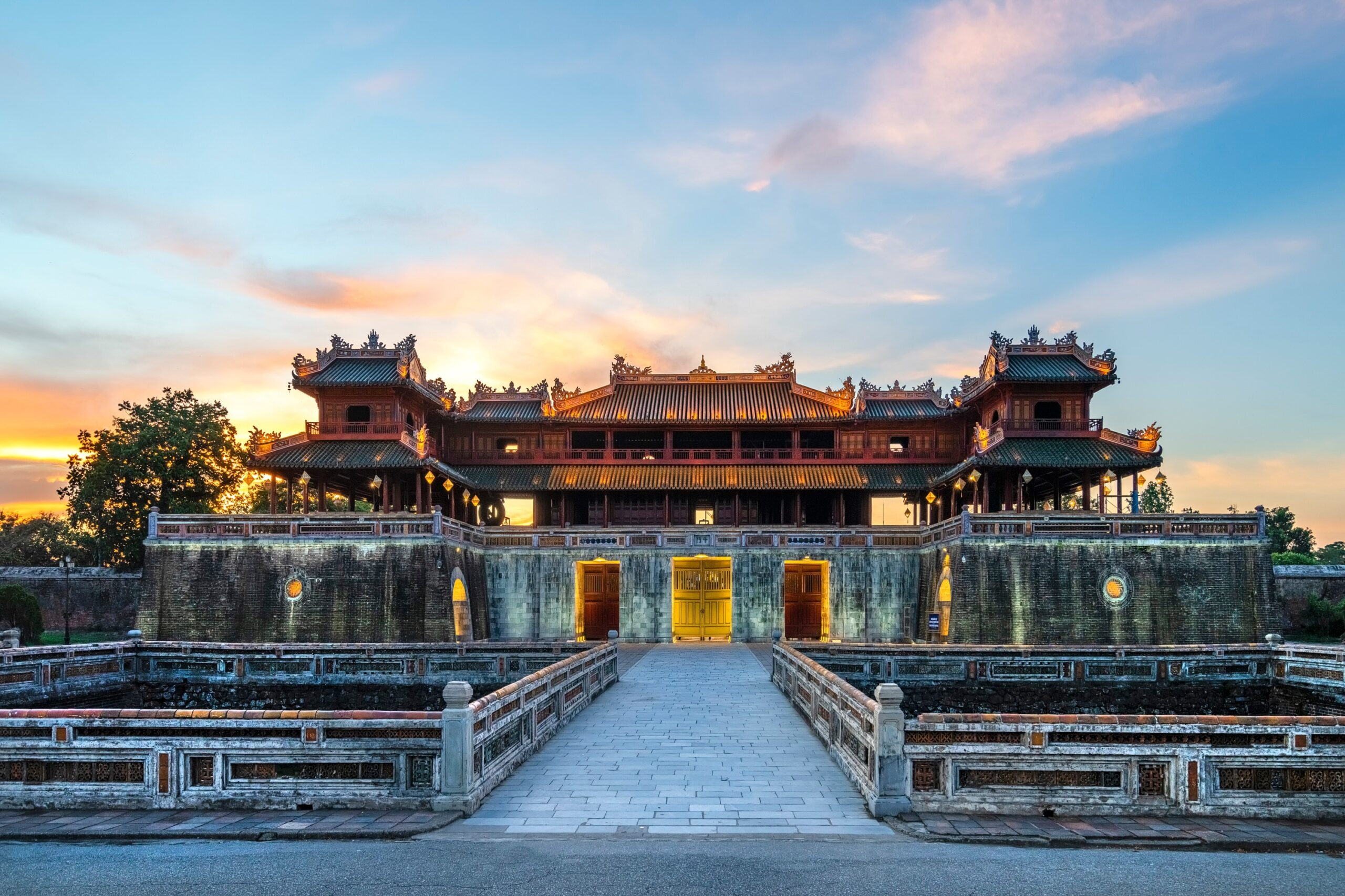
The majestic entrance to the Imperial City of Hue, showcasing traditional Vietnamese architecture
Historical significance: The Imperial City served as Vietnam's political and cultural center from 1802 to 1945. Its design follows strict Feng Shui principles, with the complex oriented along a north-south axis and surrounded by impressive moats and walls. This Vietnam historical site showcases imperial grandeur through the Thai Hoa Palace, Forbidden Purple City, and the impressive Ngo Mon Gate.
Visitor tips: Visit early morning to avoid crowds and experience the magical light on the golden roofs. GrandViet Tour's Hue package tours include expert guides who share fascinating stories about royal life and the complex's historical significance.
Imperial Citadel of Thang Long - Hanoi's Ancient Heart
Located in modern Hanoi, the Imperial Citadel of Thang Long represents over 1,000 years of Vietnamese history. This UNESCO World Heritage Site served as Vietnam's political center for 13 consecutive centuries, revealing multiple historical periods from the Dinh Dynasty through the French colonial period.

Ancient foundations of the Imperial Citadel of Thang Long in modern Hanoi
Key highlights include the Doan Mon Gate, Kinh Thien Palace foundation, and archaeological sites displaying original brick foundations. This Vietnam historical site reveals centuries of architectural evolution and cultural influences through its museum of excavated artifacts.
Sacred Temples and Religious Heritage
My Son Sanctuary - Champa Kingdom's Sacred Legacy
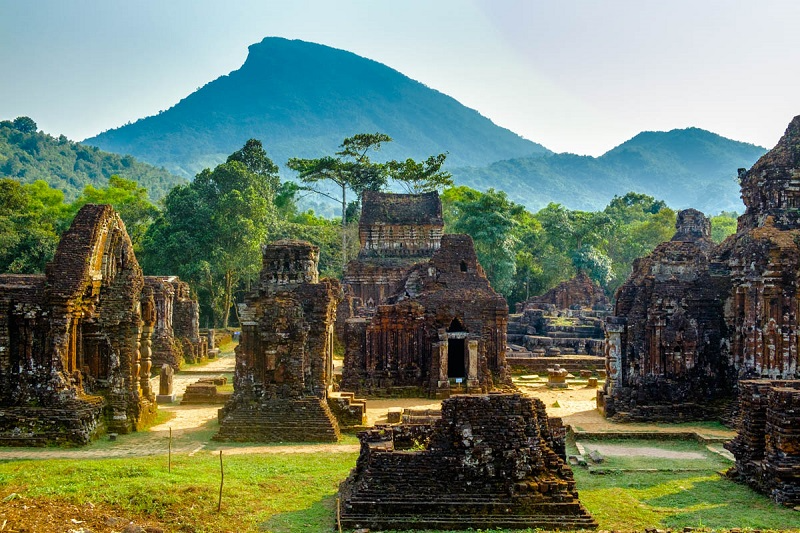
Nestled in a lush valley in central Vietnam, My Son Sanctuary represents the spiritual heart of the ancient Champa Kingdom. This UNESCO World Heritage Site features remarkable Hindu temple ruins that showcase the artistic achievements of the Champa civilization from the 4th to 13th centuries.

Ancient Champa temple ruins at My Son Sanctuary, surrounded by lush vegetation
The brick temples feature intricate carvings and sophisticated construction techniques that have withstood centuries. My Son served as the kingdom's religious center, with temples dedicated to Hindu deities like Shiva and Vishnu. This Vietnam historical site preserves ancient Champa heritage and represents one of Southeast Asia's most important archaeological sites.
Practical tips: Visit during early morning or late afternoon for the best lighting. GrandViet Tour's central Vietnam tours include guided visits with transportation from Hoi An or Da Nang.
One Pillar Pagoda - Hanoi's Unique Buddhist Treasure
Built in 1049 during the Ly Dynasty, the One Pillar Pagoda stands as one of Vietnam's most distinctive religious structures. This unique wooden pagoda rises from a single stone pillar in the center of a lotus pond, inspired by King Ly Thai Tong's dream of the Goddess of Mercy sitting on a lotus flower.

The iconic One Pillar Pagoda standing on its single stone pillar in Hanoi
The pagoda's design combines Buddhist symbolism with innovative engineering, creating a harmonious blend of strength and grace. This Vietnam historical site symbolizes Vietnamese spirituality and has become an iconic symbol of Hanoi, representing the country's spiritual heritage and architectural creativity.
Colonial Heritage and War History
Hoi An Ancient Town - Living History Museum
Hoi An Ancient Town is Vietnam's best-preserved example of a Southeast Asian trading port from the 15th to 19th centuries. This UNESCO World Heritage Site showcases the cultural fusion of Vietnamese, Chinese, Japanese, and European merchants.
.png)
Hoi An's iconic Japanese Covered Bridge and traditional shophouses
The town's architecture reflects this international influence, with Chinese assembly halls, Japanese bridges, and French colonial buildings creating a unique tapestry. Residents maintain traditional customs and crafts, from lantern making to silk tailoring, making Hoi An a living museum. GrandViet Tour's Hoi An cultural tours provide authentic experiences beyond the typical tourist path.
Cu Chi Tunnels - Underground Resistance Network
The Cu Chi Tunnels are a remarkable testament to Vietnamese ingenuity during the Vietnam War. This extensive underground network served as a complete city for resistance fighters, with living quarters, hospitals, and command centers stretching over 250 kilometers.
.png)
Entrance to the Cu Chi Tunnels, showcasing the underground resistance network
Visiting provides a deeper understanding of the conflict from the Vietnamese perspective. You can crawl through tunnel sections, see booby traps, and learn about daily life underground. GrandViet Tour's Ho Chi Minh City tours include guided visits with historical context.
War Remnants Museum - Remembering Vietnam's Past
The War Remnants Museum in Ho Chi Minh City offers a moving account of the Vietnam War and its lasting impact. The museum features extensive photographic documentation, military equipment, and personal artifacts that tell the story of the war from multiple perspectives.

The War Remnants Museum building in Ho Chi Minh City
Exhibits provide valuable insights into a conflict that shaped global history and offer an important perspective on Vietnam's journey toward peace. While emotionally challenging, the museum provides a comprehensive understanding of the war's human cost.
Planning Your Vietnam Historical Site Tour
Best Time to Visit: Vietnam's historical sites can be visited year-round, though the dry season (November to April) offers the most comfortable conditions. Peak tourist seasons (December to March and July to August) can be crowded, so consider visiting during shoulder seasons.
Transportation: For long-distance travel, domestic flights are efficient, while the railway system offers scenic journeys. For maximum flexibility, GrandViet Tour's historical site packages include comfortable private transportation.
Accommodation: Many historical destinations offer heritage hotels in restored colonial buildings or traditional houses for an authentic atmosphere. Advance booking is recommended, especially during peak seasons.
Cultural Etiquette: When visiting historical sites, especially religious ones, dress modestly by covering shoulders and knees, speak quietly, and always ask permission before photographing people. Supporting local businesses and hiring local guides enriches your experience and contributes to community preservation.
Conclusion
Vietnam's historical sites offer an unparalleled journey through 4,000 years of civilization. From the imperial grandeur of Hue to the living history of Hoi An, these destinations tell the story of a nation that has preserved its rich cultural heritage while embracing modernity. Each Vietnam historical site demonstrates the resilience, creativity, and spirit of the Vietnamese people.
Let GrandViet Tour transform your curiosity into an unforgettable cultural experience. Our expert guides and carefully crafted itineraries reveal the living history behind these remarkable places. We handle the details so you can immerse yourself in the stories of Vietnam's fascinating past.
Ready to explore Vietnam's historical treasures? Contact GrandViet Tour today to book an exclusive historical site package tour and begin your journey.
See more:
- Hoi An Travel Guide: Ancient Town, Food & Tailor Tips
- Da Lat Travel Guide: Cool Weather, Nature & Things to Do
- Hue Travel Guide: Imperial Sites, Food & Local Tips
- Phu Quoc Travel Guide: Beaches, Night Markets & More
- Nha Trang Travel Guide: Beaches, Attractions & Tips
- Ho Chi Minh City Travel Guide: What to See, Eat & Experience
- Hanoi Travel Guide: What to See, Eat & Experience
Tour Vietnam Here
Frequently Asked Questions (FAQ)
Q: What are the most important historical sites to visit in Vietnam? A: The most significant sites include the Imperial City of Hue, My Son Sanctuary, Hoi An Ancient Town, Cu Chi Tunnels, and the Imperial Citadel of Thang Long in Hanoi. Each offers unique insights into different periods of Vietnamese history.
Q: How much time should I allocate for visiting historical sites? A: A comprehensive tour requires at least 10-14 days. A full day is needed for the Imperial City of Hue, a half-day for My Son Sanctuary, and 1-2 days for Hoi An Ancient Town.
Q: What should I wear when visiting historical sites? A: Dress modestly, especially at religious sites. Cover shoulders and knees, and wear comfortable walking shoes.
Q: Is a guide necessary for visiting historical sites? A: While independent visits are possible, a local guide enhances the experience by providing historical context and cultural insights. GrandViet Tour offers expert guides for more meaningful exploration.
Other articles


© GrandViet Tour Co., Ltd. - International Tour Operator Licence 01-217/TCDL-GPLHQT.
Copyright © 2006 - 2020. All Rights Reserved.