

Travel Guide
Explore Hoi An Ancient Town – The Timeless Charm of Vietnam’s Lantern City
Introduction
Located on the banks of the Thu Bon River in central Vietnam, Hoi An Ancient Town is a living museum of Asian architecture and cultural fusion. Once a bustling trading port from the 15th to the 19th century, Hoi An still retains its original street plan and timber-framed buildings. UNESCO describes the town as an “exceptionally well-preserved example of a South‑East Asian trading port”.
In this explore Hoi An ancient town guide, we delve into the lantern-lit alleys, introduce local crafts and cuisine, and show you how GrandViet Tour can help you uncover the city’s timeless charm.
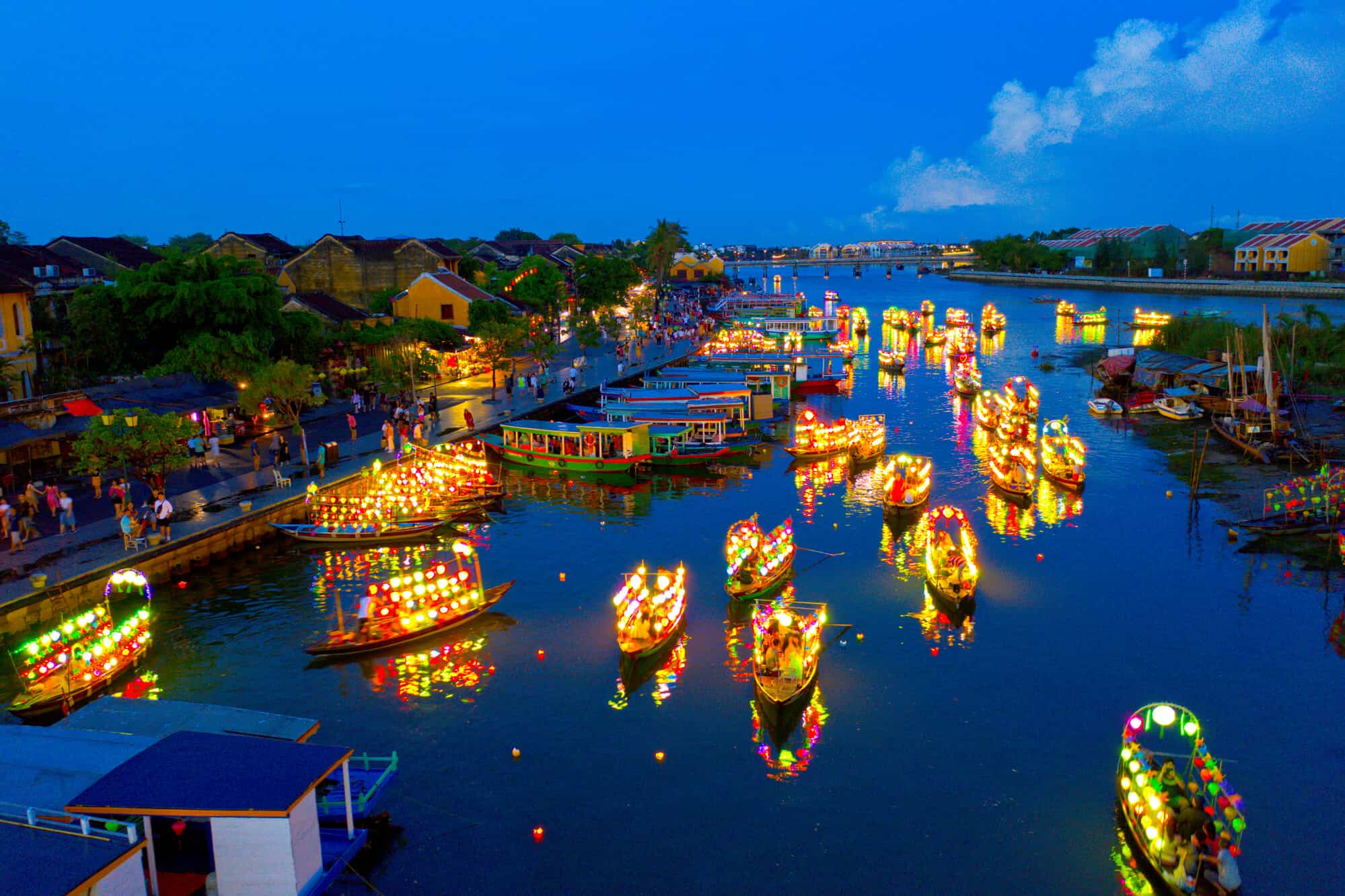
Lanterns reflecting on the Thu Bon River in the evening
Explore Hoi An Ancient Town – Key Highlights
Hoi An’s allure lies in its harmonious blend of cultures. Key highlights include:
● Japanese Covered Bridge: Dating back to the 17th century, this iconic wooden bridge with a tiled roof and small pagoda symbolises Hoi An’s early connections with Japan.
● Ancient Houses & Assembly Halls: Wander through heritage houses like Tan Ky and Phung Hung, which display merchant lifestyles and architectural elements blending Chinese, Japanese and Vietnamese influences. Fujian and Cantonese assembly halls showcase ornate carvings and colourful altars.
● Lantern Streets: Every evening, thousands of silk lanterns illuminate the old town. The monthly Full Moon Festival transforms Hoi An into a sea of lights, music and traditional games.
● Thu Bon River Cruises: Gentle boat rides provide a fresh perspective on the town’s architecture and allow you to release floating lanterns during festivals.
● Craft Villages: Nearby, Thanh Ha Pottery Village and Kim Bong Carpentry Village have been crafting ceramics and woodwork for centuries.
● Culinary Delights: Signature dishes include cao lầu noodles, white rose dumplings, mì quảng and banh mi.
Hoi An covers an inscribed area of 30 hectares with a buffer zone of 280 hectares. UNESCO notes that the town’s layout has remained intact and contains over 1,100 timber-frame buildings. This preservation allows you to step back in time and experience the vibrancy of a historic trading hub.
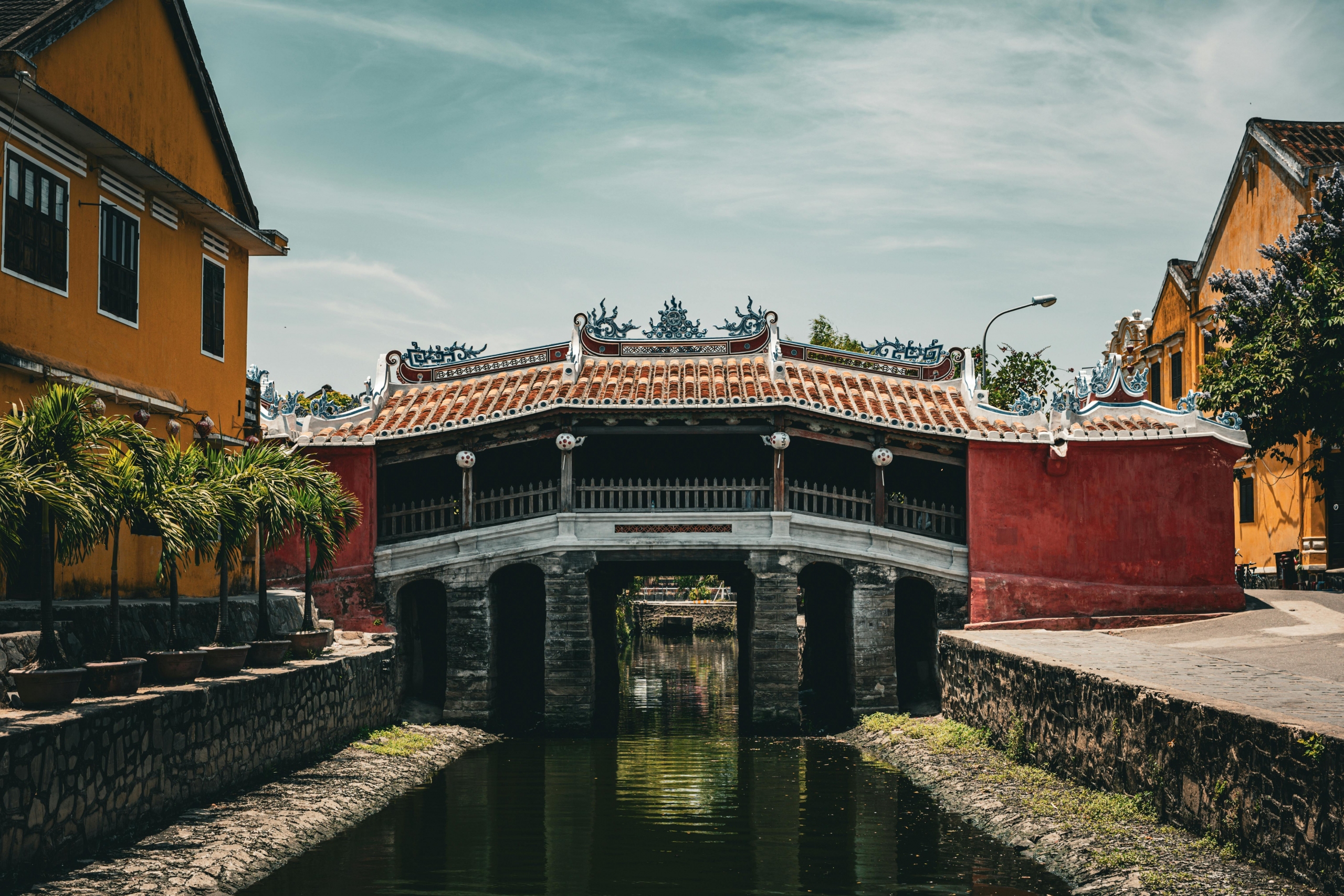
The 17th‑century Japanese Covered Bridge, a symbol of Hoi An
When to Visit Hoi An Ancient Town (Weather & Seasons)
Hoi An has a tropical climate with two main seasons:
● Dry Season (February–August): Warm and sunny, with temperatures around 26–33 °C. The best time for sightseeing is between March and May when humidity is lower and skies are clear.
● Rainy Season (September–January): Heavy rains can cause temporary flooding, especially from October to December. However, the old town becomes quieter and the rain adds a romantic atmosphere with reflections dancing on wet cobblestones.
For festive experiences, plan your trip around the monthly Full Moon Lantern Festival, which takes place on the 14th day of each lunar month. Streets are closed to motorised traffic, locals dress in traditional attire and lanterns light up the entire town.

Full Moon Lantern Festival with colourful lights and traditional games
Top Experiences & Itineraries
Walking Tours
Start your exploration at the Japanese Covered Bridge, then weave through narrow lanes to the Tan Ky Old House, Fujian Assembly Hall and the bustling Hoi An Market. These heritage buildings illustrate the fusion of indigenous and foreign design. Join a lantern-making workshop to craft your own silk lantern as a memento.
Tailoring & Shopping
Hoi An is famous for bespoke tailoring. Local tailors can produce suits, dresses and traditional áo dài within a day. Visit fabric markets to choose your materials, then return for fittings. The town is also known for leather goods, jewellery and hand-painted art.
Culinary Tours
Take a guided food tour to savour cao lầu, white rose dumplings and chicken rice. Explore Central Market stalls and learn to cook Vietnamese dishes at a riverside cooking class.
Day Trips & Nearby Attractions
Combine Hoi An with nearby sites:
- My Son Sanctuary: A cluster of ancient Cham temples set within jungle, about 40 km away.
- An Bang & Cua Dai Beaches: Just 10–15 minutes by bike or taxi, these beaches offer sun, sand and seafood.
- Tra Que Vegetable Village: Join farmers planting herbs and vegetables using organic methods.
- Cham Island: A protected marine reserve ideal for snorkeling and diving.
Our explore Hoi An ancient town itineraries can be tailored to your interests and schedule, whether you have one day or a week.

Local tailors measuring fabric for a bespoke ao dai
How to Get There (From Da Nang & Other Hubs)
Hoi An doesn’t have its own airport or train station, but it is easily accessible via Da Nang, 30 km to the north:
● By Air: Fly into Da Nang International Airport. GrandViet Tour arranges private transfers or shuttles to Hoi An (about 45 minutes).
● By Train: Trains from Hanoi or Ho Chi Minh City stop at Da Nang station, where you can board a taxi or bus to Hoi An.
● By Road: Buses and private cars travel from Hue, Da Nang and other central cities. The scenic Hai Van Pass route from Hue offers spectacular ocean views.
● By Bicycle: If you’re staying in Da Nang or nearby beaches, cycling to Hoi An along the coastal road is a pleasant adventure.
For stress‑free transport, GrandViet Tour can coordinate all transfers and provide bilingual guides.
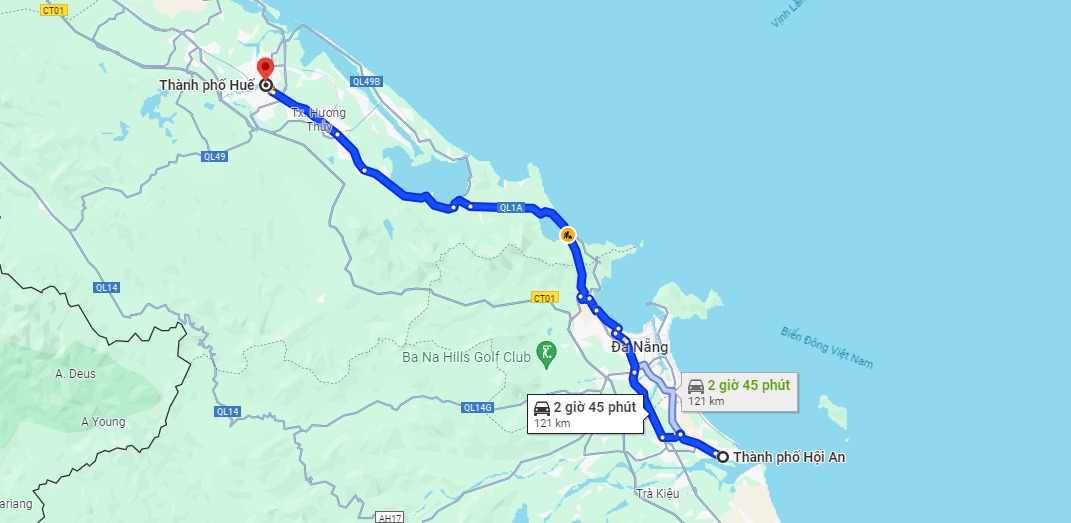
Map illustrating travel routes between Da Nang, Hoi An and surrounding attractions
Where to Stay (Hotels, Homestays & Riverside Retreats)
Hoi An offers diverse accommodation:
- Boutique Hotels in the Old Town: Stay within walking distance of sights. Many historic shophouses have been converted into charming hotels with balconies overlooking lantern-lit streets.
- Riverside Resorts: Along the Thu Bon River and nearby beaches, resorts offer pools, spa services and peaceful views.
- Homestays in Cam Thanh & Tra Que: Experience local life in villages surrounded by rice paddies and coconut groves. Activities include farming, fishing and basket-boat rides through water coconut forests.
- Budget Hostels & Guesthouses: Backpacker-friendly options are plentiful, particularly near the market and An Bang Beach.
GrandViet Tour inspects and partners with accommodations that combine comfort, authenticity and sustainability.
Travel Tips, Costs & Etiquette
- Tickets & Fees: Entry to the old town costs around 120,000 VND (about 5 USD). Tickets include visits to five heritage sites of your choice.
- Budgeting: Street food dishes cost 20,000–50,000 VND (1–2 USD). Mid-range restaurants charge 100,000–200,000 VND per meal. Tailor-made clothing ranges from 30 USD for simple dresses to 150 USD for bespoke suits.
- Dress Code: Although Hoi An is relaxed, dress modestly when visiting temples or family homes.
- Biking & Walking: The old town is pedestrian-friendly. Rent a bicycle or join a walking tour for easier exploration.
- Responsible Tourism: Support artisans by buying handmade crafts rather than mass-produced souvenirs. Avoid releasing sky lanterns (which harm wildlife) and instead participate in eco-friendly lantern festivals.
- Cultural Etiquette: Learn simple Vietnamese phrases like “cảm ơn” (thank you) and “xin chào” (hello) to connect with locals. Bargain respectfully at markets and always smile.
Our guides at GrandViet Tour will brief you on local customs and help you navigate daily interactions with respect and confidence.
Why Travel with GrandViet Tour
At GrandViet Tour, we pride ourselves on creating immersive experiences that bring Hoi An’s history and culture to life. Our local guides share stories about merchant families, architecture and festivals. We design flexible itineraries—combine Hoi An with Da Nang, Hue or the My Son Sanctuary. We also support community-based tourism by working with local craftsmen, farmers and homestay hosts. With our professional services, you can explore at your own pace while knowing that every detail is managed, from transfers and tickets to dining recommendations. Explore Hoi An with us and uncover the magic behind Vietnam’s lantern city.
See more:
- Classic Places to Visit in Vietnam for First-Time Travelers
- Ha Giang Travel Guide: Loop Route, Ethnic Culture & Views
- Top Historical Sites in Vietnam Every Tourist Should Visit
- Hoi An Travel Guide: Ancient Town, Food & Tailor Tips
- Da Lat Travel Guide: Cool Weather, Nature & Things to Do
- Hue Travel Guide: Imperial Sites, Food & Local Tips
- Phu Quoc Travel Guide: Beaches, Night Markets & More
Tour Vietnam Here
FAQs
Q1: Why is Hoi An a UNESCO World Heritage Site?
A1: UNESCO recognises Hoi An as an exceptionally well‑preserved South-East Asian trading port dating from the 15th to the 19th century, with intact buildings and street layout reflecting a blend of cultures[1].
Q2: Do I need a ticket to explore the old town?
A2: Yes. Purchasing a ticket (around 120,000 VND) helps fund preservation efforts and grants access to several heritage sites.
Q3: What should I wear in Hoi An?
A3: Lightweight, breathable clothing is best. Cover shoulders and knees when visiting temples or during religious festivals.
Q4: Can I have clothes tailored in one day?
A4: Many tailors offer 24‑hour turnaround for simple garments. For complex designs, allow two to three days with fittings.
Q5: What’s the best way to experience the Full Moon Festival?
A5: Plan to arrive early, rent a small boat to release lanterns on the river and explore side alleys for traditional games and performances.
Q6: Are there beaches near Hoi An?
A6: Yes. An Bang and Cua Dai beaches are a short ride away and offer swimming, water sports and seafood.
Q7: Is Hoi An suitable for families with children?
A7: Absolutely. Kids enjoy lantern workshops, bicycle tours and beach time. Many restaurants have child-friendly menus.
Other articles








© GrandViet Tour Co., Ltd. - International Tour Operator Licence 01-217/TCDL-GPLHQT.
Copyright © 2006 - 2020. All Rights Reserved.