

Travel Guide
Complex of Hue Monuments – A UNESCO World Heritage of Imperial Elegance
Introduction to the Complex of Hue Monuments
Nestled along the gentle curves of the Perfume River, the Complex of Hue Monuments stands as a testament to Vietnam’s imperial past. This UNESCO World Heritage Site includes not only the iconic Imperial Citadel but also majestic royal tombs, pagodas, and bridges scattered around Hue.
At GrandViet Tour, we invite you to wander through this historical landscape, where ancient palaces echo with the stories of emperors and lush gardens reveal the artistry of the Nguyen Dynasty. Our guide will help you understand the spiritual and cultural significance of each monument, ensuring your visit blends education with aesthetic pleasure.
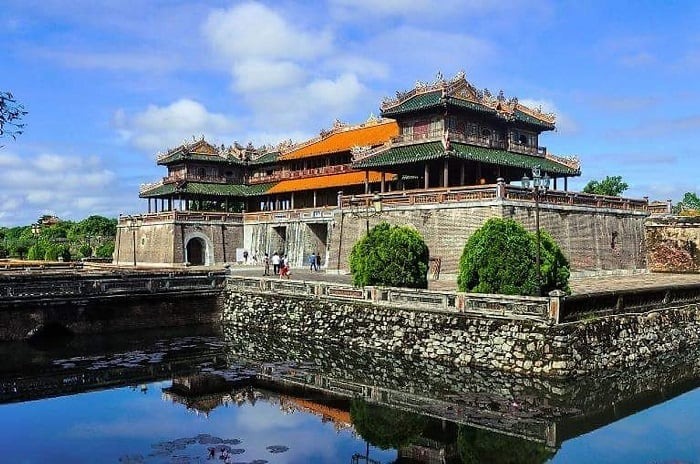
The ornate Thai Hoa Palace is one of many grand structures within the Hue Monuments complex.
Complex of Hue Monuments – Key Highlights
This historical ensemble encompasses numerous sites built between the early 19th and early 20th centuries. Each monument reflects Confucian ideals and Vietnamese craftsmanship. Here are the highlights we recommend exploring:
● Imperial Citadel (Dai Noi): The central walled city, containing royal palaces, ceremonial halls, and the Forbidden Purple City.
● Thien Mu Pagoda: A seven-tiered pagoda perched on a hill overlooking the river, famed for its bell tower and serene gardens.
● Royal Tombs: Elaborate mausoleums of Nguyen emperors, such as the ornate Khai Dinh Tomb, the poetic Tu Duc Tomb, and the grand Minh Mang Tomb.
● An Dinh Palace: A smaller palace showcasing a mix of European and Vietnamese architecture, used by later kings as a residence.
● Trang Tien Bridge & Perfume River: The bridge designed by Gustave Eiffel offers views of dragon boats and city lights at night.
These monuments collectively represent the peak of Vietnamese royal architecture and aesthetic values, offering insight into the country’s dynastic traditions.
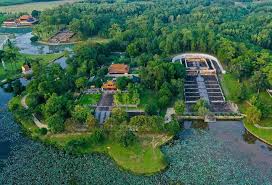
The tomb of Emperor Khai Dinh is renowned for its intricate mosaics and hilltop setting - Complex of Hue Monuments
When to Visit Complex of Hue Monuments(Weather & Seasons)
Hue experiences distinct seasons, each offering different ways to appreciate the Complex of Hue Monuments:
● Dry & Warm Season (March–August): Sunny and hot with temperatures between 25–35°C. Ideal for sightseeing and boat rides, though midday heat can be intense.
● Cool & Rainy Season (September–February): Lower temperatures (18–25°C) with intermittent rain. The grey skies add a moody charm to the historic sites. The months of December and January may see cooler winds and occasional drizzle.
GrandViet Tour suggests visiting during April to July, when festivals like the Hue Festival fill the city with performances and traditional music. If you prefer cooler weather and fewer tourists, consider going in October or November.
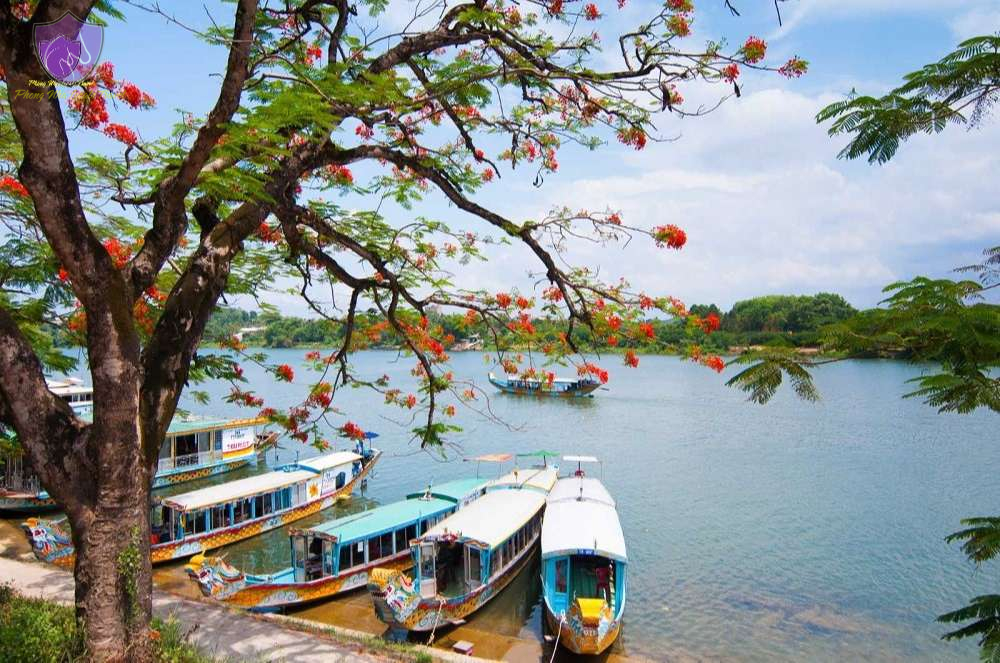
A dragon boat glides along the Perfume River amid Hue’s misty ambiance - Complex of Hue Monuments
Top Experiences & Itineraries the Complex of Hue Monuments
Our itineraries for the Complex of Hue Monuments are designed to immerse you in imperial culture and natural beauty:
1-Day Heritage Tour
● Morning: Explore the Imperial Citadel, including Ngo Mon Gate and Thai Hoa Palace, with historical commentary.
● Afternoon: Visit Thien Mu Pagoda and take a leisurely boat ride back along the Perfume River.
● Evening: Enjoy a traditional royal banquet with live court music and folk songs.
2–3 Day Imperial Immersion
● Royal Tomb Circuit: Cycle or drive through the countryside to visit Minh Mang, Tu Duc, and Khai Dinh tombs, each offering unique architecture and tranquil gardens.
● An Dinh Palace & Truc Chi Garden: Learn about Hue’s more recent history and local paper-art craft.
● Hue Royal Cuisine Workshop: Participate in a cooking class to prepare dishes once served at the emperor’s table, such as Banh Khoai (Hue pancakes) and Nem Lui (lemongrass skewers).
Extended Cultural Stay
● Pilgrimage to Perfume Pagoda (Thien Mu): Combine with a trip to the Quang Tri Citadel or DMZ for historical context.
● Hue Folk Art & Gardens: Visit garden houses in Kim Long Village, known for their architecture and horticulture.
● River Cruises & Night Markets: Experience the city by night with floating lanterns and local handicrafts.
Our tours ensure an even balance between historical sites, culinary experiences, and leisurely moments.
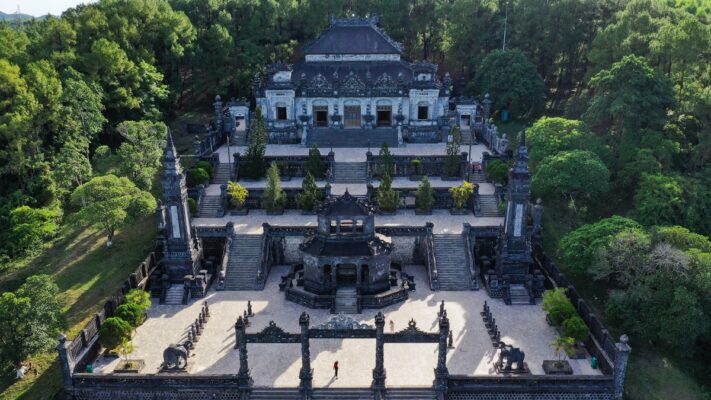
Visitors stroll through tree-lined paths leading to Minh Mang Tomb.
How to Get the Complex of Hue Monuments (From Hanoi & Other Hubs)
Hue is centrally located and well-connected to Vietnam’s major cities:
● By Air: Phu Bai International Airport (HUI) is about 15 km from the city center, with flights from Hanoi, Ho Chi Minh City, and Da Nang. We arrange airport transfers and baggage assistance.
● By Train: The Reunification Express trains connect Hue with Hanoi and Ho Chi Minh City. The journey offers scenic coastal views and comfortable sleeping cabins.
● By Road: Buses and private cars link Hue to Da Nang, Hoi An, and Laos. The drive over the Hai Van Pass from Da Nang is considered one of Vietnam’s most picturesque routes.
● By Cruise: Some river cruises along the Perfume River combine visits to tombs and pagodas, providing a unique perspective from the water.
GrandViet Tour includes transportation arrangements in all our packages, ensuring seamless connections and comfortable travel.
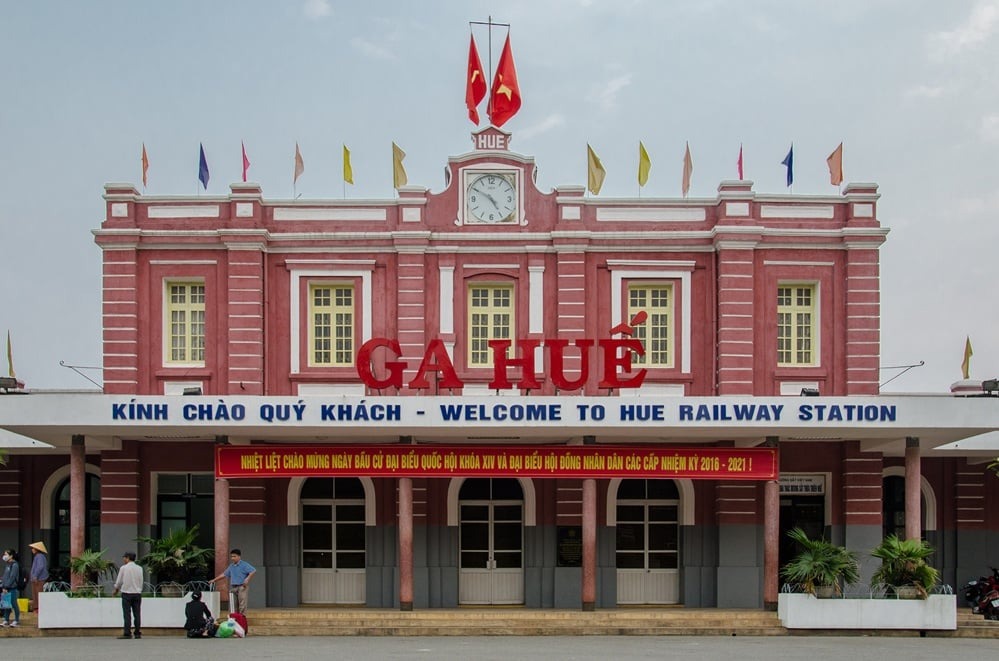
Hue’s historic train station welcomes travelers arriving by rail - Complex of Hue Monuments
Where to Stay (Hue’s Hotels & Garden Houses)
Accommodation options in Hue range from royal-inspired resorts to cozy family-run guesthouses:
● Riverside Resorts: Properties like Azerai La Residence offer colonial-era charm with riverside views, pools, and spa services.
● Boutique Hotels in the Old Quarter: Stay close to the Citadel in hotels adorned with royal motifs and traditional decor.
● Garden Houses: Locally known as nhà vườn, these heritage homes offer homestay experiences with lush gardens and home-cooked meals.
● Modern City Hotels: Convenient stays near Dong Ba Market for travelers who enjoy urban amenities and easy access to eateries and nightlife.
At GrandViet Tour, we partner with accommodations that honor Hue’s heritage while providing modern comfort and sustainability practices.
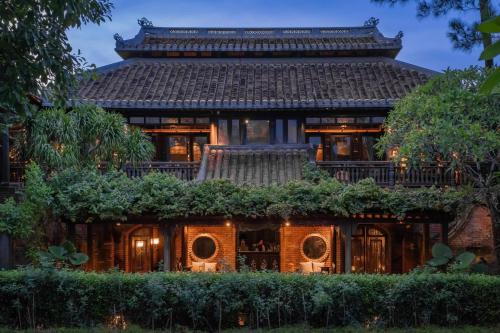
Traditional garden houses showcase the harmony between architecture and nature.
Travel Tips, Costs & Etiquette
Exploring the Complex of Hue Monuments requires a blend of reverence and practicality:
Entrance Fees:
- Imperial Citadel: 200,000 VND
- Each royal tomb: 150,000–180,000 VND
- Combined ticket packages are available and recommended.
Additional Costs:
- Dragon boat rides: 100,000–200,000 VND
- Bicycle rental: 50,000 VND/day
- Guided tours: 300,000–700,000 VND, depending on duration and group size.
Etiquette & Tips:
- Dress Respectfully: Wear modest clothing when visiting temples and palaces.
- Hydrate: Hue’s heat can be intense; carry water and wear hats.
- Mind Your Step: Many structures are fragile—stick to designated paths.
- Local Guides: Hiring licensed guides adds depth to your visit and supports the community.
- Cultural Sensitivity: Remain quiet during royal performances and refrain from flash photography in sacred spaces.
GrandViet Tour encourages visitors to travel thoughtfully—respecting heritage and contributing to local preservation efforts.
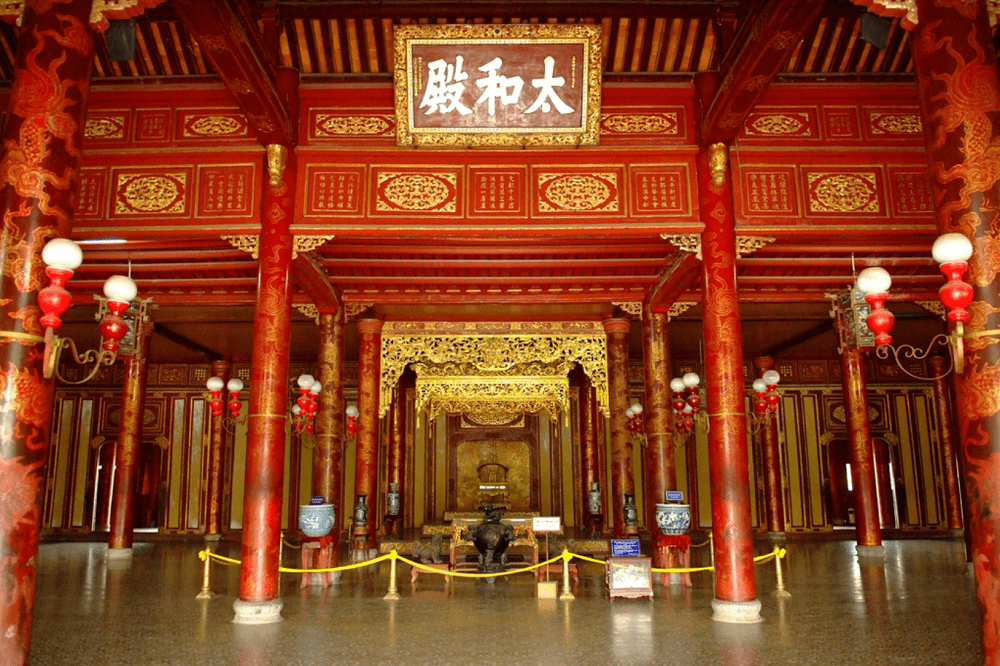
Intricate lacquered woodwork and detailed murals adorn the palace interiors.
Why Travel with GrandViet Tour
We at GrandViet Tour are committed to sharing Hue’s history with travelers through informed storytelling and seamless arrangements. Our local guides bring to life the legends of emperors and artisans, while our itineraries ensure you see both iconic and hidden treasures.
Benefits of choosing us:
- Historical Expertise: Our guides are heritage specialists who provide context beyond guidebooks.
- Customizable Tours: Whether you want an in-depth tomb study or a leisurely river cruise, we tailor the journey.
- Cultural Connections: We facilitate interactions with artisans, musicians, and historians, giving you a richer experience.
- Comfort & Care: From comfortable transport to recommended eateries, we manage details so you can immerse yourself in the experience.
Explore the Complex of Hue Monuments with us, and discover how past grandeur continues to shape Vietnam’s cultural identity.
See more:
- Classic Places to Visit in Vietnam for First-Time Travelers
- Ha Giang Travel Guide: Loop Route, Ethnic Culture & Views
- Top Historical Sites in Vietnam Every Tourist Should Visit
- Hoi An Travel Guide: Ancient Town, Food & Tailor Tips
- Da Lat Travel Guide: Cool Weather, Nature & Things to Do
- Hue Travel Guide: Imperial Sites, Food & Local Tips
- Phu Quoc Travel Guide: Beaches, Night Markets & More
Tour Vietnam Here
FAQs
Q1: How long should I spend visiting the Complex of Hue Monuments?
A1: At least two days are recommended to explore the Citadel, several tombs, and Thien Mu Pagoda at a relaxed pace.
Q2: Can I purchase a combined ticket?
A2: Yes. Combined tickets cover the Citadel and multiple tombs, offering convenience and savings.
Q3: Are the monuments accessible year-round?
A3: They are open daily, though certain sites may close temporarily for restoration. Rainy season may affect river tours.
Q4: What should I wear when visiting?
A4: Modest attire covering shoulders and knees; comfortable shoes for walking.
Q5: Are guided tours necessary?
A5: While not mandatory, guides enrich your understanding and ensure you don’t miss important details.
Q6: Is photography allowed inside the monuments?
A6: Photography is generally allowed, but flash is prohibited in certain chambers. Always follow posted signs.
Q7: Why book through GrandViet Tour?
A7: Our expertise, quality partnerships, and passion for heritage ensure a memorable and respectful visit.
Other articles






© GrandViet Tour Co., Ltd. - International Tour Operator Licence 01-217/TCDL-GPLHQT.
Copyright © 2006 - 2020. All Rights Reserved.