

Travel Guide
A Guide To All UNESCO World Heritage Sites In Vietnam
Explore all 9 UNESCO Sites in Vietnam — from Hue and Hoi An to Ha Long–Cat Ba, Phong Nha–Ke Bang, and Trang An. Highlights, timing, tips, and tours with GrandViet Tour.
1. Introduction: Why Vietnam’s UNESCO Heritage Matters
Vietnam’s 9 UNESCO World Heritage Sites capture 4,000 years of history, layered cultures, and world-class landscapes. If you’re planning to explore the most meaningful places in the country, this guide to UNESCO Sites in Vietnam gives you concise highlights, the best times to go, practical tips, and smart ways to experience them with local experts.

Vietnam’s heritage spans imperial cities, ancient ports, sacred mountains, caves, and karst bays
2. What Makes UNESCO Sites in Vietnam Special
-
Deep time and diversity: imperial capitals, Champa temples, trading ports, Zen Buddhist mountains, tower karsts, and the world’s largest cave systems.
-
Living culture: 54 ethnic groups, craft traditions, festivals, and faith practices woven into daily life around the sites.
-
Year-round travel: each region has a best season; with smart routing you can enjoy great conditions any month.

From Hanoi and Hue to Quang Binh and Ninh Binh, the sites trace Vietnam’s cultural spine
3. Quick Overview: Vietnam’s 9 UNESCO World Heritage Sites
-
Cultural (6): Complex of Hue Monuments; Hoi An Ancient Town; My Son Sanctuary; Imperial Citadel of Thang Long (Hanoi); Citadel of the Ho Dynasty (Thanh Hoa); Yen Tu – Vinh Nghiem – Con Son, Kiep Bac Complex (Quang Ninh, Bac Giang, Hai Duong)
-
Natural (2): Ha Long Bay – Cat Ba Archipelago (Quang Ninh, Hai Phong); Phong Nha – Ke Bang National Park (Quang Binh; with Hin Nam No in Laos as a transboundary extension)
-
Mixed (1): Trang An Landscape Complex (Ninh Binh)

Nine sites, one incredible journey through Vietnam’s soul
4. Cultural UNESCO Sites
4.1. Complex of Hue Monuments (1993)
Hue was Vietnam’s imperial capital (1802–1945). The citadel, palaces, temples, and royal tombs line the Perfume River, aligned with geomancy for harmony between city and nature.
-
Highlights: Imperial City, Forbidden Purple City, Thien Mu Pagoda; tombs of Minh Mang, Khai Dinh, Tu Duc.
-
Best time: Feb–Apr, Sep–Nov (mild); avoid heavy rains Oct–Dec.
-
Local tip: Visit early morning for serene courtyards and soft light.
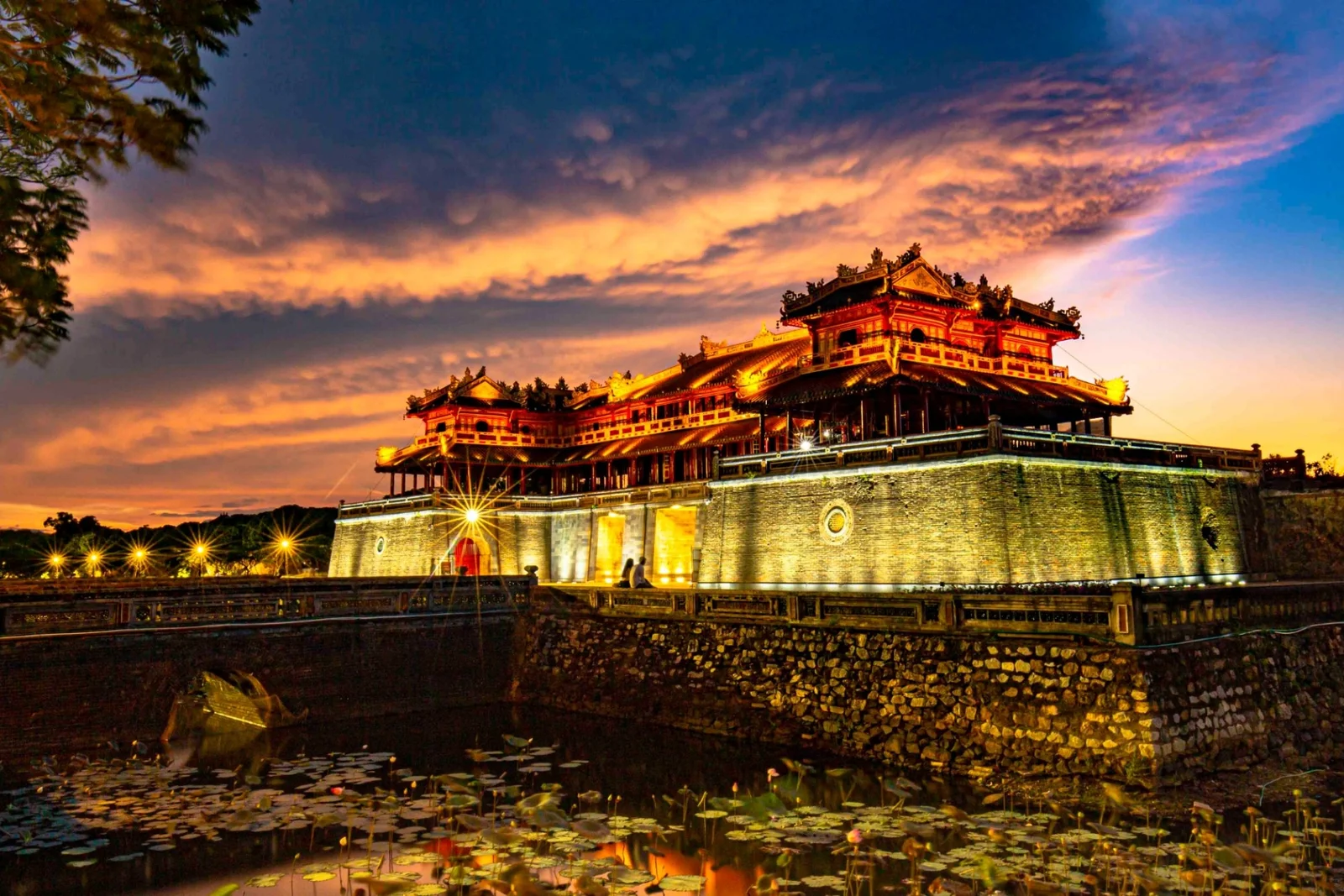
Hue’s moats, walls, and pavilions reflect Nguyen dynasty power and aesthetics
4.2. Hoi An Ancient Town (1999)
Once a 15th–19th century trading port, Hoi An preserves timber townhouses, assembly halls, and the iconic Japanese Covered Bridge. It’s a living showcase of multicultural exchange.
-
Highlights: Lantern-lit evenings, tailor shops, riverside cafes, craft villages.
-
Best time: Feb–Aug (dry); plan around the Full Moon Lantern Festival.
-
Local tip: Join a lantern-making or cooking class for hands-on culture.

Lanterns glow on wooden facades along the Thu Bon River
4.3. My Son Sanctuary (1999)
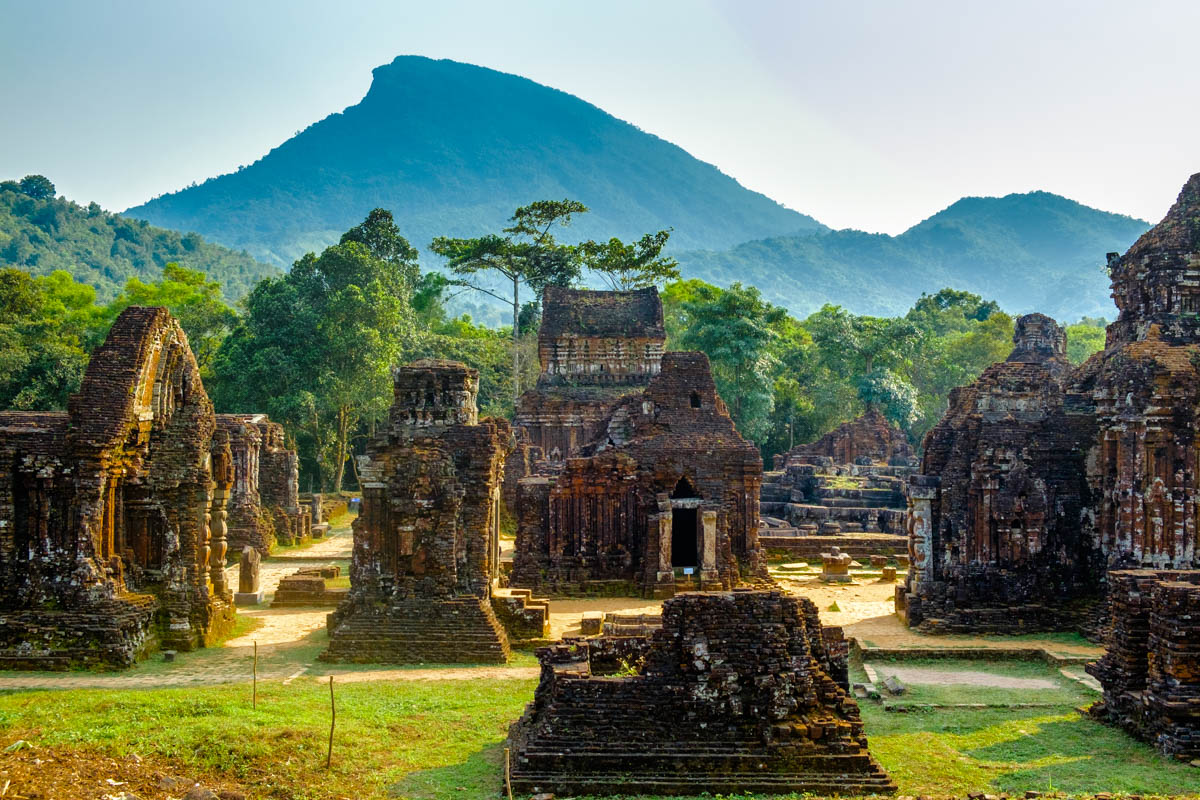
In a jungle valley, brick towers of the Champa Kingdom (4th–13th centuries) honor Hindu deities. Intricate bas-reliefs and temple clusters reveal a once-flourishing civilization.
-
Highlights: Tower groups B, C, D; early morning mist and birdsong.
-
Best time: Mar–Aug early mornings (cooler, fewer crowds).
-
Local tip: Pair with Hoi An on a half-day excursion.
4.4. Central Sector of the Imperial Citadel of Thang Long, Hanoi (2010)
Founded in the 11th century, Thang Long served as a political center for over a millennium. Layers of palaces, gates, and archaeological finds sit at the heart of the modern capital.
-
Highlights: Doan Mon Gate, Kinh Thien site, Hanoi Flag Tower, excavation areas.
-
Best time: Year-round; spring and autumn are most pleasant.
-
Local tip: Combine with Hanoi’s Old Quarter and Temple of Literature the same day.

Ancient gateways and palace platforms amid leafy grounds
4.5. Citadel of the Ho Dynasty (2011)
Built in 1397 without mortar from massive stone blocks, this short-lived capital exemplifies visionary planning and feng shui between mountains and rivers in Thanh Hoa.
Highlights: South Gate, stone ramparts, surrounding rural scenery.-
Best time: Nov–Apr (dry, cool); golden fields in late Sep–Oct.
-
Local tip: Bring cash; facilities are simple and rural.
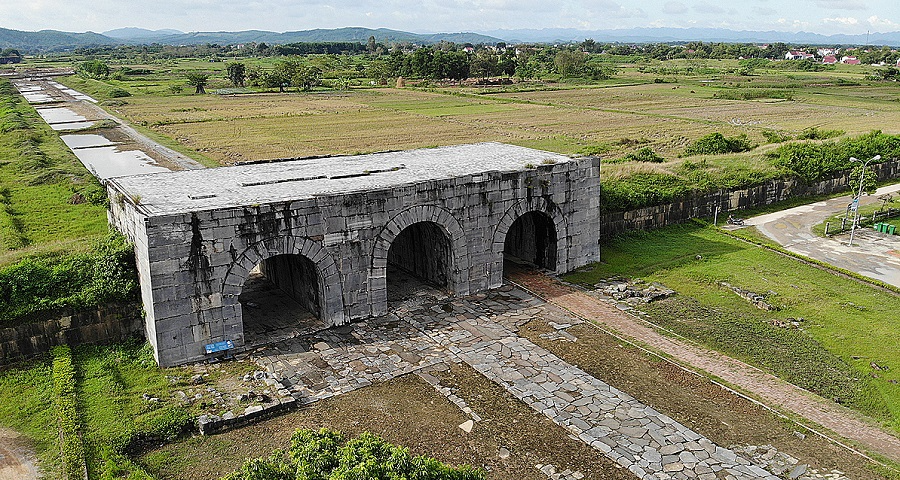
Precision-cut stone walls rise from fields and villages
4.6. Yen Tu – Vinh Nghiem – Con Son, Kiep Bac Complex (2025)
Newly inscribed, this serial property links sacred mountains, pagodas, and landscapes tied to the Tran Dynasty and Truc Lam Zen Buddhism across Quang Ninh, Bac Giang, and Hai Duong.
-
Highlights: Yen Tu mountain pilgrimage routes, Vinh Nghiem Pagoda woodblocks, Con Son–Kiep Bac temples and festivals.
-
Best time: Spring (festival season) and autumn (clear skies).
-
Local tip: Expect steps and forest paths; dress modestly at sacred sites.
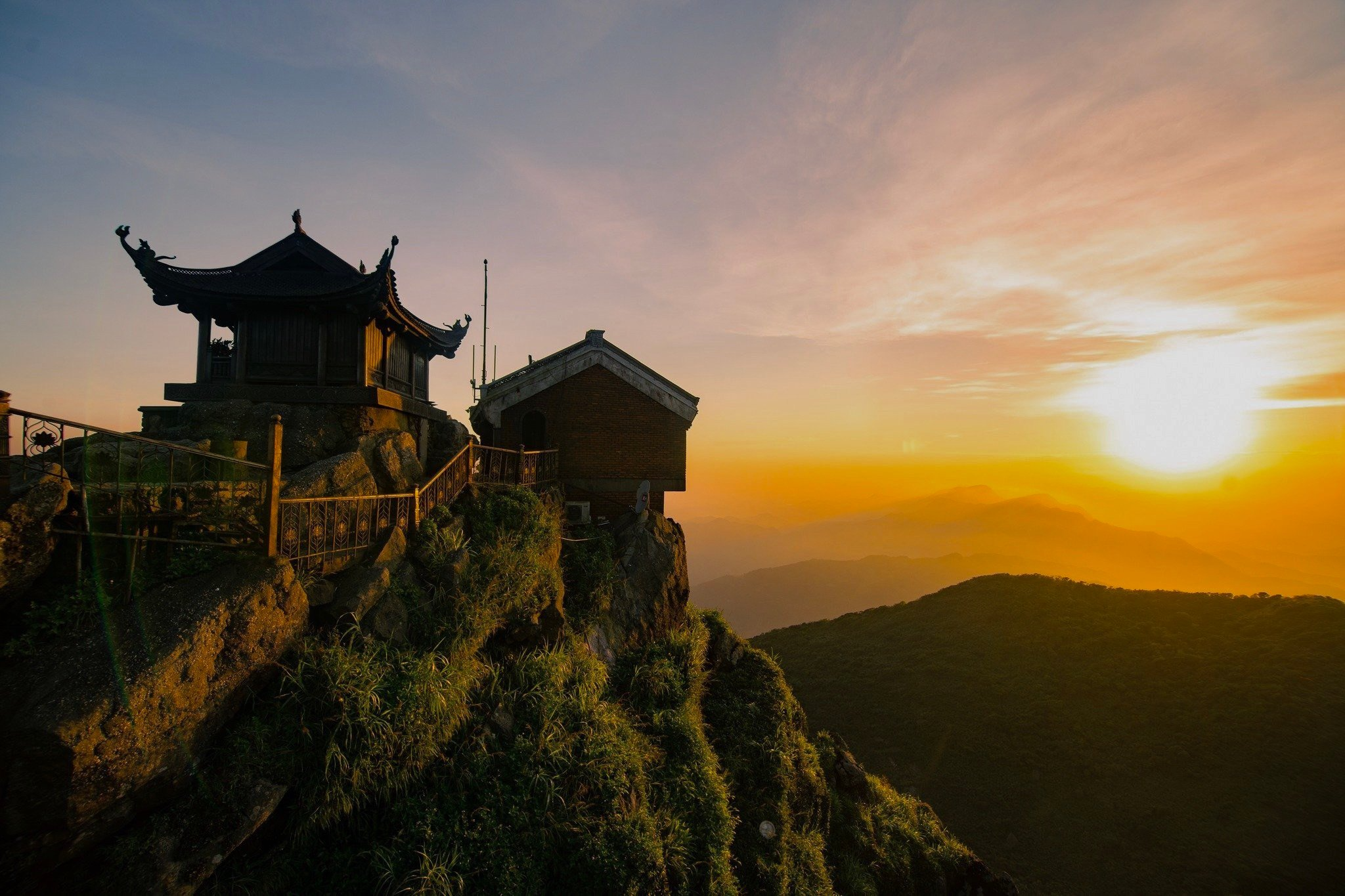
Pilgrim trails, ancient pagodas, and forested ridges of Truc Lam Zen
5. Natural UNESCO Sites
5.1. Ha Long Bay – Cat Ba Archipelago (1994, 2000, 2023)
A majestic seascape of 1,133 limestone islands and islets, with caves, arches, and hidden lagoons. The Cat Ba area adds rare ecosystems and endemic wildlife.
-
Highlights: Kayaking, Thien Cung Cave, Ti Top viewpoints, Lan Ha Bay tranquility.
-
Best time: Mar–Apr, Sep–Oct (clear, calm). Summer brings blue skies but occasional storms.
-
Local tip: Choose smaller cruise routes to avoid crowds and reach quiet coves.
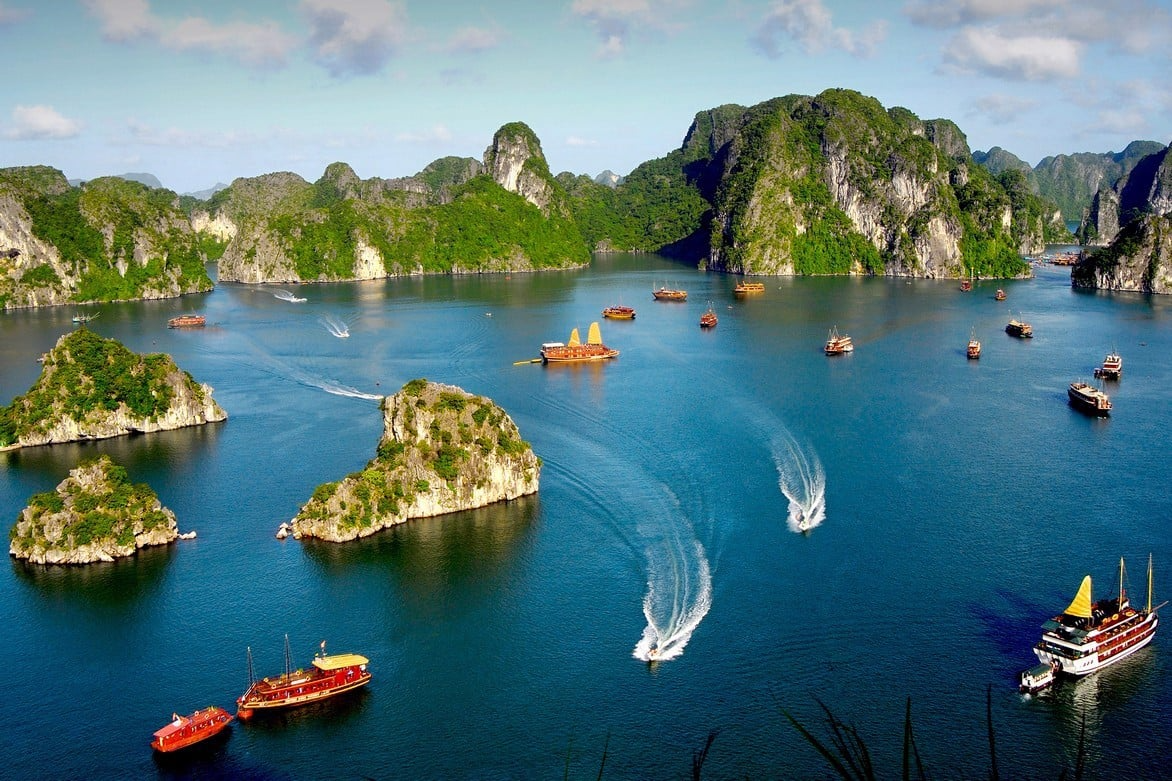
Tower karsts, emerald waters, and sunrise mist over the Gulf of Tonkin
5.2. Phong Nha – Ke Bang National Park (2003, 2015, 2025)
One of the world’s greatest karst regions, PNKB protects ancient limestone mountains, dense forests, and record-setting caves like Son Doong, Paradise, and Phong Nha.
-
Highlights: Underground rivers, giant chambers, jungle treks, dark-cave adventures.
-
Best time: Dec–Aug for most cave activities; check weather for river levels.
-
Local tip: Book guided experiences early; strict conservation rules protect the park.
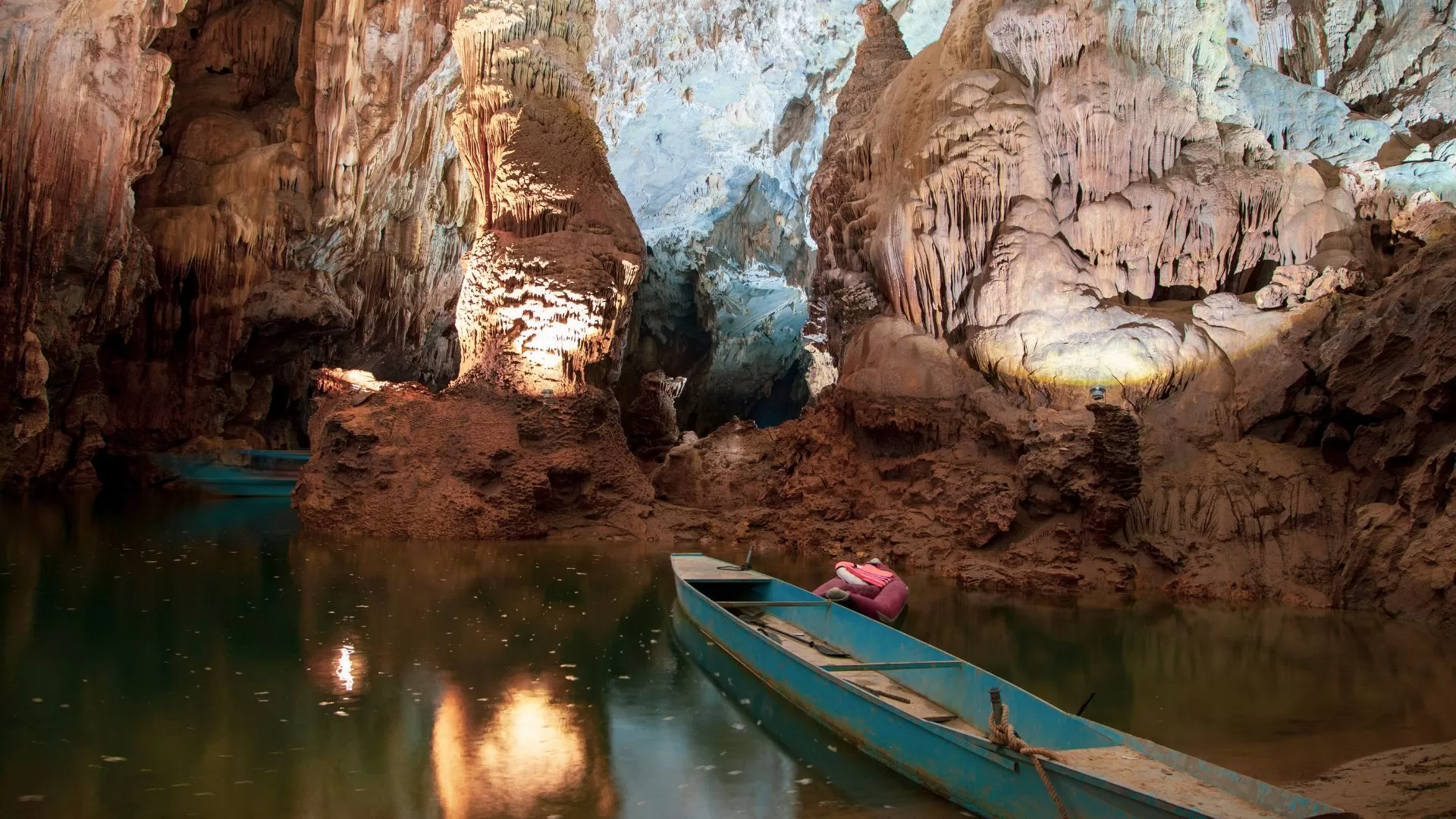
Boat rides into caverns and cathedral-like chambers of karst
6. Mixed UNESCO Site
6.1. Trang An Landscape Complex (2014)
“Inland Ha Long Bay” blends cultural and natural heritage: karst towers, cave passages, rice fields, Hoa Lu ancient capital, and sacred temples in a sublime riverine setting.
-
Highlights: Sampan boat routes through low caves, Hang Mua viewpoint, Bai Dinh Pagoda.
-
Best time: Feb–May (green paddies, mild); late May–Jun (golden harvest scenes).
-
Local tip: Pick early-morning boat slots for calm waters and soft light.
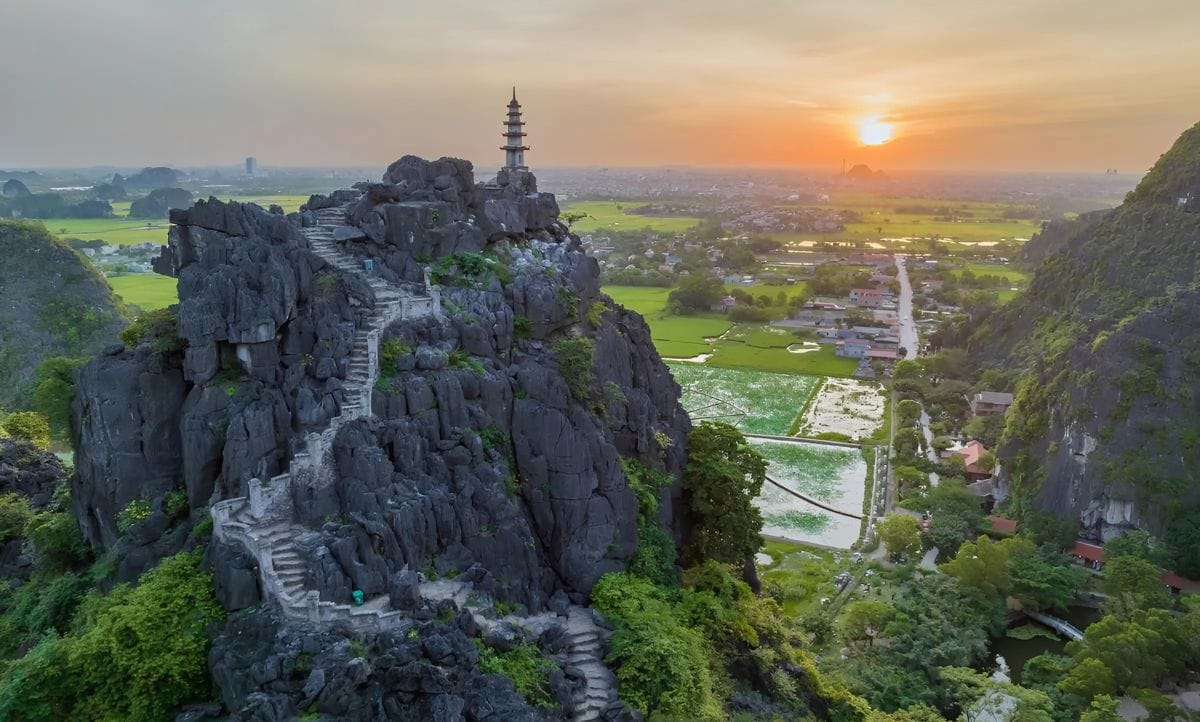
Sampans glide below limestone cliffs and through cave tunnels
7. How to Plan Your Trip to UNESCO Sites in Vietnam
Smart routing turns the UNESCO Sites in Vietnam into an unforgettable circuit:
-
Northern arc: Hanoi (Thang Long) → Ninh Binh (Trang An) → Ha Long–Cat Ba → Yen Tu → onward to Sapa or Ha Giang.
-
Central heritage: Hue → Hoi An → My Son → Da Nang hub for flights.
-
North Central: Thanh Hoa (Ho Dynasty) → Quang Binh (Phong Nha – Ke Bang).
Travel timing
-
Peak comfort: Feb–Apr and Sep–Nov across most sites.
-
Summer (May–Aug): best seas and islands; plan around showers in the north and central coast.
-
Winter (Dec–Jan): cool north, ideal for citadels and museums.
Practical tips
-
Tickets & dress: Carry cash, ID, and dress modestly at religious sites.
-
Photography: Early morning and late afternoon give the best light.
-
Guidance: Licensed local guides add context and streamline logistics.
8. Responsible Travel & Etiquette
-
Respect sacred spaces: remove hats, cover shoulders/knees, and keep voices low.
-
Leave no trace: follow marked paths, avoid touching carvings/stalagmites, pack out trash.
-
Support communities: buy local crafts, hire licensed boats/guides, and learn a few Vietnamese greetings.
9. Why Travel with GrandViet Tour
GrandViet Tour is a leading Vietnam DMC known for expert guides, thoughtful routing, and seamless service. We craft heritage-focused journeys that bring context to every gate, tower, and temple — and we pair them with the comfort and flexibility travelers love.
-
Heritage expertise: curated storytelling and access to lesser-known angles and hours.
-
Seamless logistics: quality vehicles, timed entries, vetted cruises, and licensed cave experiences.
-
Local connections: crafts, cuisine, and community visits that enrich your route.
10. Conclusion
From imperial Hue and lantern-lit Hoi An to the silent halls of My Son and the sky-high karsts of Ha Long, the UNESCO Sites in Vietnam reveal the country’s heart. Ready to see them your way? GrandViet Tour designs private and small‑group trips that connect the dots — history, culture, cuisine, and nature — at your pace.
Ready to explore? Visit GrandViet Tour at https://grandviettour.com to start planning your heritage journey.
11. Frequently Asked Questions
Q1: How many UNESCO Sites in Vietnam are there?
There are 9 UNESCO World Heritage Sites in Vietnam: 6 cultural, 2 natural, and 1 mixed.
Q2: What’s the best time to visit the UNESCO Sites in Vietnam?
Feb–Apr and Sep–Nov are broadly ideal. Specific sites have seasonal nuances (e.g., Ha Long–Cat Ba in Mar–Apr and Sep–Oct; Trang An in spring harvest).
Q3: Can I see all sites in one trip?
Allow 14–18 days for a comfortable route covering the north, central region, and Phong Nha. GrandViet Tour can tailor faster or slower options.
Q4: Are tickets and guides required?
Most sites charge entrance fees. Guides are optional but highly recommended for context and efficient routing, especially at citadels and cave systems.
Q5: What should I wear and bring?
Modest clothing for temples/pagodas, breathable layers, sun protection, comfortable walking shoes, cash for tickets/snacks, and water.
Q6: How can I travel responsibly at these sites?
Follow local rules, don’t touch delicate surfaces, avoid drones where restricted, support local services, and minimize waste.
Other articles


© GrandViet Tour Co., Ltd. - International Tour Operator Licence 01-217/TCDL-GPLHQT.
Copyright © 2006 - 2020. All Rights Reserved.