

Travel Guide
Understanding Vietnamese Culture: What Tourists Should Know
Discover Vietnamese Culture: traditions, customs, etiquette, family values, festivals, and social norms. Travel respectfully with GrandViet Tour's cultural insights and authentic experiences.
1. Introduction: The Rich Tapestry of Vietnamese Culture
Vietnam's Vietnamese Culture spans over 4,000 years, shaped by indigenous traditions, Chinese influences, French colonialism, and modern globalization. This Southeast Asian nation offers visitors a fascinating blend of ancient customs and contemporary practices that reflect its complex history and resilient spirit.

Vietnam's cultural heritage spans millennia, from ancient temples to modern cities
From the misty mountains of the north to the vibrant Mekong Delta in the south, Vietnamese Culture manifests in diverse ways across regions. Understanding these cultural nuances helps travelers connect more deeply with local people and appreciate the country's rich heritage. Whether exploring bustling cities or remote villages, cultural awareness transforms simple tourism into meaningful cultural exchange.
2. Core Values and Beliefs in Vietnamese Culture
Vietnamese Culture is built on several fundamental principles that guide daily life and social interactions. Confucianism, introduced during Chinese rule, remains deeply embedded in Vietnamese society, emphasizing respect for hierarchy, family loyalty, and proper conduct.

Confucian values continue to influence modern Vietnamese society
The concept of "face" (thể diện) is crucial in Vietnamese Culture. Maintaining dignity and avoiding public embarrassment shapes social behavior. Vietnamese people value harmony, avoiding direct confrontation in favor of indirect communication that preserves relationships. This cultural trait often surprises Western visitors but reflects the Vietnamese emphasis on community cohesion over individual expression.
Ultimate Vietnamese Food Guide for Foreign Travelers
3. Family and Social Structure
Family serves as the cornerstone of Vietnamese Culture, with extended families often living together or maintaining close connections. The traditional Vietnamese family structure follows Confucian principles, where elders command respect and younger members show filial piety (hiếu thảo).
.png)
Extended families remain central to Vietnamese social life
In Vietnamese Culture, family decisions are typically made collectively, with elders having significant influence. Children are expected to care for aging parents, and family members support each other through life's challenges. This strong family bond extends to business relationships, where trust and personal connections often outweigh formal contracts.
4. Traditional Customs and Etiquette
Understanding Vietnamese Culture requires knowledge of proper etiquette and customs. Greetings involve slight bows and respectful language, especially when addressing elders. Vietnamese people typically use titles like "anh" (elder brother) or "chị" (elder sister) rather than first names.

Traditional greetings reflect Vietnam's respect for hierarchy
When visiting Vietnamese homes, removing shoes before entering shows respect for cleanliness and cultural norms. Gifts should be presented with both hands, and modest offerings are preferred over expensive items. Public displays of affection are generally avoided, as Vietnamese Culture values modesty and restraint in social interactions.
5. Festivals and Celebrations
Vietnamese Culture comes alive during traditional festivals, with Tet (Lunar New Year) being the most significant celebration. This multi-day festival involves family reunions, ancestor worship, and various customs believed to bring good fortune for the coming year.
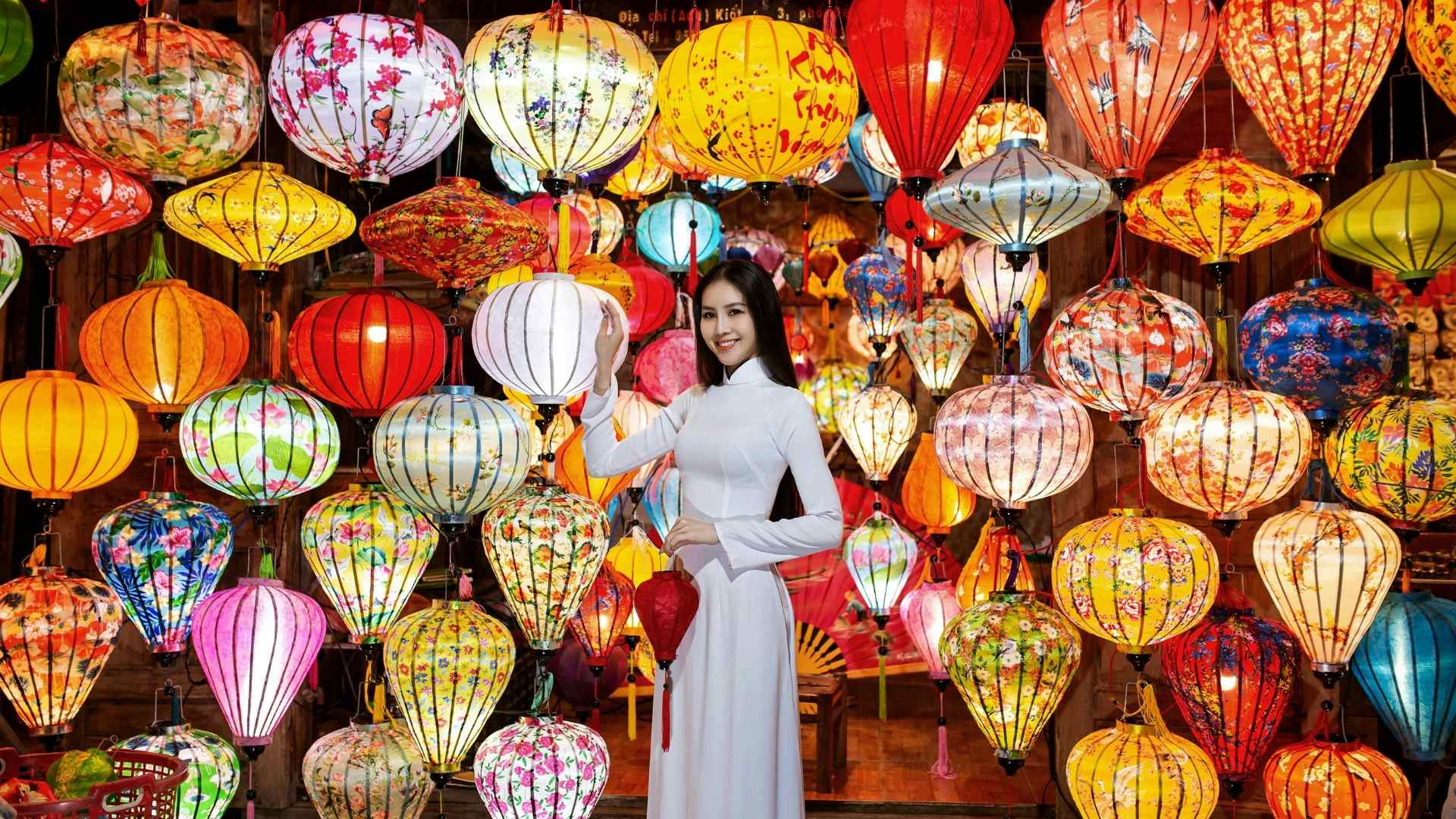
Tet celebrations showcase Vietnam's rich cultural traditions
Other important festivals in Vietnamese Culture include the Mid-Autumn Festival (Tết Trung Thu), celebrated with lantern parades and mooncakes, and the Hung Kings Temple Festival, honoring Vietnam's legendary founders. These celebrations offer visitors authentic glimpses into Vietnamese traditions and community spirit.
20 Essential Vietnam Travel Tips for First-Time Visitors
6. Religious and Spiritual Practices
Vietnamese Culture embraces a unique blend of religious beliefs, with most people practicing a mix of Buddhism, Confucianism, and indigenous folk religions. Ancestor worship remains central, with families maintaining altars to honor deceased relatives.

Buddhist temples and pagodas dot Vietnam's landscape
Spiritual practices in Vietnamese Culture include visiting pagodas, offering incense, and participating in traditional ceremonies. Many Vietnamese believe in the power of spirits and maintain various superstitions about numbers, colors, and actions. Understanding these beliefs helps visitors appreciate the spiritual dimension of Vietnamese life.
7. Communication and Social Interactions
Vietnamese Culture emphasizes indirect communication and maintaining social harmony. Vietnamese people often avoid saying "no" directly, preferring polite evasions that preserve relationships. This communication style reflects the cultural value of avoiding conflict and maintaining face.
Non-verbal communication plays a significant role in Vietnamese Culture. Smiles often mask true feelings, and body language conveys subtle messages. Visitors should pay attention to these cues and avoid interpreting Vietnamese communication through Western cultural lenses.8. Dining and Food Culture
Food holds deep cultural significance in Vietnamese Culture, serving as a medium for social bonding and cultural expression. Vietnamese cuisine reflects the country's geography, history, and cultural values, emphasizing balance, freshness, and communal dining.
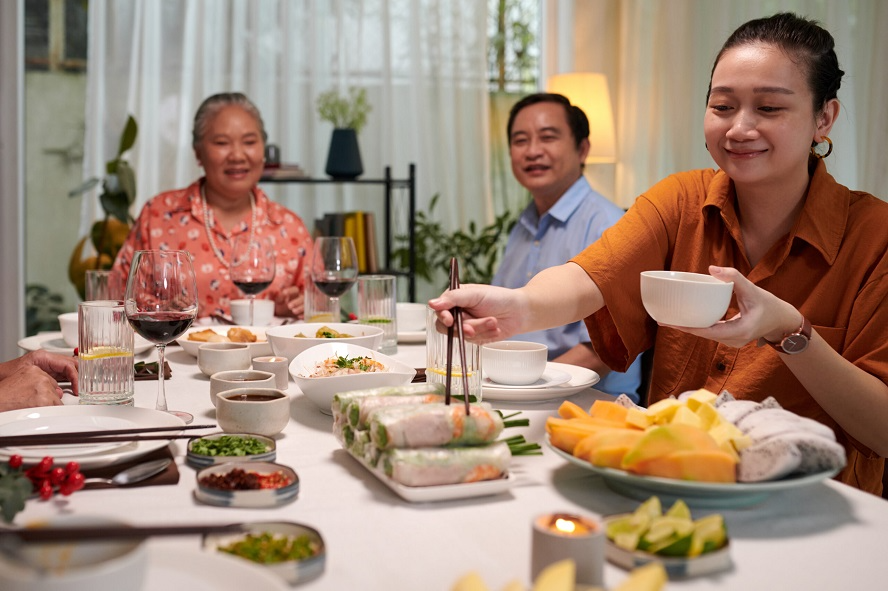
Communal dining reflects Vietnam's emphasis on family and community
Dining etiquette in Vietnamese Culture includes waiting for elders to begin eating, using chopsticks properly, and sharing dishes family-style. Vietnamese people take pride in their hospitality and often insist that guests eat more than they might want. Refusing food can be seen as impolite, though polite persistence usually resolves such situations.
9. Arts, Music, and Traditional Crafts
Vietnamese Culture boasts rich artistic traditions that have evolved over centuries. Traditional music includes instruments like the đàn bầu (monochord) and đàn tranh (zither), while water puppetry represents a unique Vietnamese art form.

Traditional water puppetry showcases Vietnam's artistic heritage
Craft traditions in Vietnamese Culture include silk weaving, lacquerware, and ceramics, with different regions specializing in various techniques. These crafts not only preserve cultural heritage but also provide economic opportunities for local communities. Visitors can observe these traditions at craft villages throughout Vietnam.
10. Modern Vietnamese Culture
Contemporary Vietnamese Culture reflects the country's rapid development and global integration. Young Vietnamese balance traditional values with modern aspirations, creating a dynamic cultural landscape that embraces both heritage and innovation.

Modern Vietnam balances tradition with contemporary influences
Urban areas showcase this cultural evolution, with traditional markets alongside modern shopping centers, and traditional restaurants serving alongside international cuisine. This blend creates a unique cultural experience that helps visitors understand how Vietnamese Culture adapts to changing times while preserving its essence.
11. Cultural Do's and Don'ts for Tourists
Understanding Vietnamese Culture helps visitors avoid cultural misunderstandings and show respect for local customs. Simple gestures like removing shoes, using both hands when giving items, and dressing modestly demonstrate cultural awareness.

Cultural awareness enhances travel experiences in Vietnam
Visitors should avoid pointing with fingers, touching people's heads, or displaying public affection. Learning basic Vietnamese phrases shows respect for Vietnamese Culture and often leads to warmer interactions with locals. Patience and open-mindedness go far in cultural exchange.
12. Experience Vietnamese Culture with GrandViet Tour
GrandViet Tour offers authentic cultural experiences that go beyond typical tourist activities. Our local guides provide deep insights into Vietnamese Culture, helping visitors understand the nuances that make Vietnam unique.
From homestays in traditional villages to cooking classes with local families, GrandViet Tour creates opportunities for meaningful cultural exchange. Our carefully crafted itineraries balance popular attractions with authentic cultural experiences, ensuring visitors gain genuine understanding of Vietnamese Culture while enjoying comfortable, well-organized travel.
13. Conclusion
Vietnamese Culture offers visitors a rich tapestry of traditions, values, and practices that have evolved over millennia. Understanding these cultural elements transforms simple tourism into meaningful cultural exchange, creating deeper connections with local people and places.
Whether exploring ancient temples, participating in traditional festivals, or simply interacting with local people, cultural awareness enhances every aspect of travel in Vietnam. GrandViet Tour helps visitors navigate this cultural landscape, ensuring authentic experiences that respect local traditions while providing comfortable, enriching travel.14. Frequently Asked Questions
Q1: What are the most important aspects of Vietnamese Culture for tourists to understand?
Respect for elders, family values, and maintaining social harmony are fundamental. Understanding basic etiquette like removing shoes and using both hands when giving items shows cultural awareness.
Q2: How do Vietnamese people typically greet each other?
Vietnamese greetings involve slight bows, respectful language, and often handshakes. Elders are addressed first, and titles like "anh" or "chị" are commonly used instead of first names.
Q3: What should tourists know about Vietnamese dining customs?
Wait for elders to begin eating, use chopsticks properly, and expect to share dishes family-style. Vietnamese hospitality often involves insisting that guests eat more, which should be handled politely.
Q4: Are there specific clothing requirements for visiting religious sites?
Yes, modest clothing that covers knees and shoulders is required. Remove hats and shoes when entering temples, and avoid public displays of affection near religious sites.
Q5: How do Vietnamese people view family and relationships?
Family is central to Vietnamese Culture, with extended families often living together or maintaining close connections. Respect for elders and family loyalty are highly valued.
Q6: What festivals should tourists try to experience?
Tet (Lunar New Year) is the most significant, but the Mid-Autumn Festival and Hung Kings Temple Festival also offer rich cultural experiences. These celebrations showcase traditional customs and community spirit.
Q7: How can GrandViet Tour help visitors understand Vietnamese Culture?
GrandViet Tour provides local guides with deep cultural knowledge, arranges authentic experiences like homestays and cooking classes, and creates itineraries that balance popular attractions with genuine cultural immersion.
Q8: What communication differences should Western visitors expect?
Vietnamese communication is often indirect, avoiding direct "no" responses to maintain harmony. Smiles may mask true feelings, and non-verbal cues carry significant meaning.
Other articles




© GrandViet Tour Co., Ltd. - International Tour Operator Licence 01-217/TCDL-GPLHQT.
Copyright © 2006 - 2020. All Rights Reserved.