

Travel Guide
Ultimate Vietnamese Food Guide for Foreign Travelers
1. Introduction: Why Vietnam’s Cuisine Wins Hearts
Fresh herbs, balanced flavors, and regional diversity make Vietnamese food unforgettable. This practical Vietnamese Food Guide helps you taste confidently—at street carts, wet markets, and modern eateries—while understanding what to order and how to eat like a local.

Vietnam’s cuisine blends history, climate, and terroir into a fresh, vibrant table
2. Vietnamese Food Guide: Regional Flavors North–Central–South
Vietnam’s “S‑shape” spans cool northern plains, a central coast wedged by mountains, and a tropical southern delta. That geography shapes dishes and flavor profiles.
-
North (Hanoi, Ninh Binh, Ha Long): subtle broths, mild seasoning, balanced herbs.
-
Center (Hue, Da Nang, Hoi An): bold spices, colorful plating, royal influences.
-
South (Ho Chi Minh City, Mekong): sweeter palate, coconut, abundant greens and fruit.
.png)
Same staples, different accents—the cuisine shifts every few hundred kilometers
3. Iconic Dishes to Start With
Use this Vietnamese Food Guide short list as your first week’s tasting plan.
-
Pho (Hanoi and Saigon styles): beef or chicken noodle soup with aromatic spices.
-
Banh mi: crackly baguette with pâté, pickles, herbs, and grilled or cold‑cut fillings.
-
Bun cha (Hanoi): grilled pork with vermicelli, herbs, and dipping sauce.
-
Bun bo Hue (Hue): spicy lemongrass beef noodle soup, deeply savory.
-
Mi Quang (Da Nang/Quang Nam): turmeric noodles with herbs, crackers, light broth.
-
Com tam (Saigon): broken rice with grilled pork, fried egg, pickles, and fish sauce.
-
Goi cuon (fresh spring rolls): rice‑paper rolls with herbs, shrimp/pork, and dipping sauce.
-
Cao lau (Hoi An): chewy noodles, pork, greens; unique texture and broth style.
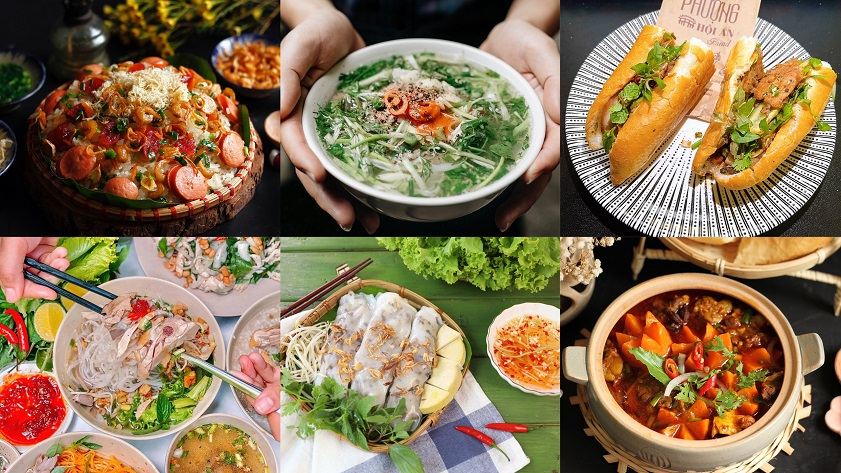
Start iconic, then branch into regional specialties as you travel
4. Street Food 101: Finding Great Stalls Safely
Street food is a highlight of any Vietnamese Food Guide. Pick busy stalls with high turnover, watch food cooked to order, and check for basic cleanliness. Prefer morning or early evening windows when ingredients are freshest.
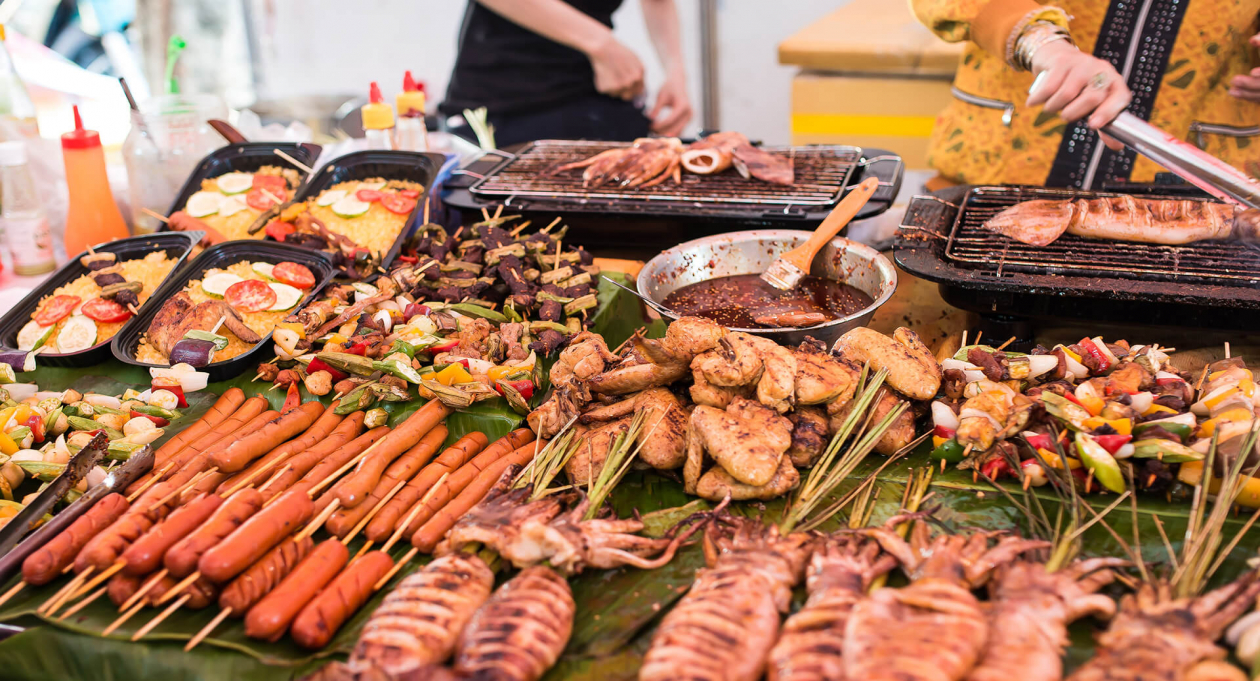
Choose popular carts, fresh turnover, and cooked‑to‑order dishes for best results
5. How Vietnamese Meals Work: Breakfast, Lunch, Dinner
-
Breakfast: pho, xoi (sticky rice), banh mi, or bun rieu. Light and fast.
-
Lunch: rice plates, noodle soups, or bun bowls balanced by herbs and pickles.
-
Dinner: shared dishes—grilled meats, sautéed greens, soups, and rice.
Across meals, a core of rice, noodles, and vegetables gets accented by fish sauce, lime, chile, and fresh herbs. Balance is the rule.

Meal rhythm: quick breakfasts, hearty shared dinners, herbs at every turn
6. Dietary Needs: Vegetarian, Vegan, Halal, Gluten‑Free
-
Vegetarian/Vegan: look for “chay” eateries or ask “Mon chay duoc khong?” Many dishes can swap tofu or mushrooms. Avoid hidden fish sauce or shrimp paste if needed.
-
Halal: options cluster in big cities; consider seafood or vegetarian in mixed groups.
-
Gluten‑Free: rice noodles and rice flour are common; confirm soy sauce, wonton wrappers, or breaded items.

Rice, herbs, and tofu make plant‑forward eating easier than you might expect
7. Drinks to Try: Coffee, Tea, Juices, Beer
-
Coffee: ca phe sua da (iced coffee with milk), ca phe trung (egg coffee in Hanoi).
-
Tea: green tea with meals; specialty teas in the highlands.
-
Fresh juices: sugarcane, coconut, passionfruit, guava; ask for less sugar if preferred.
-
Beer: local lagers pair well with grills; craft beer scenes in Hanoi and Saigon.
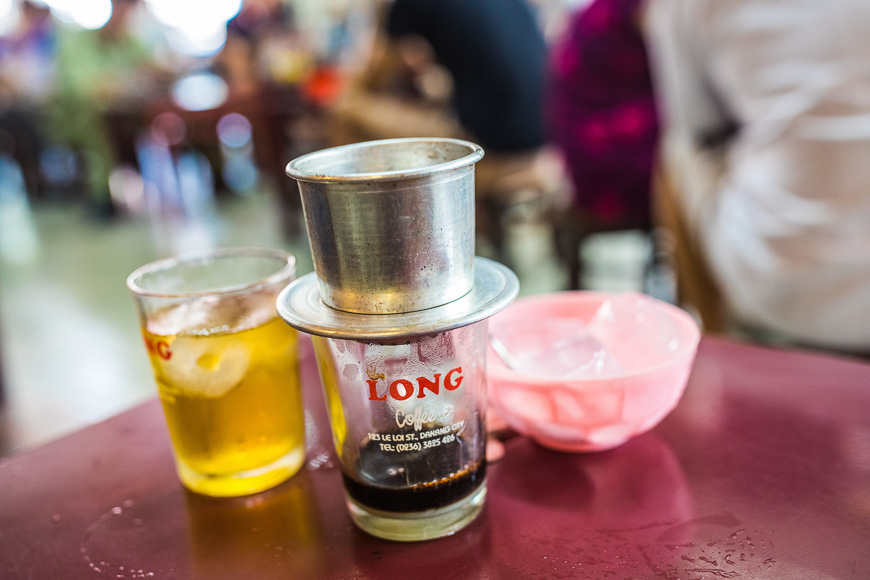
Fuel days with iced coffee; cool nights with fresh juices or a crisp lager
8. Where to Eat: Markets, Family Joints, and Modern Spots
-
Markets: best for one‑dish specialists and first tastes of local breakfasts.
-
Family eateries (quan com, quan an): daily dishes at honest prices.
-
Modern kitchens: lighter interpretations, craft beverages, good for mixed diets.
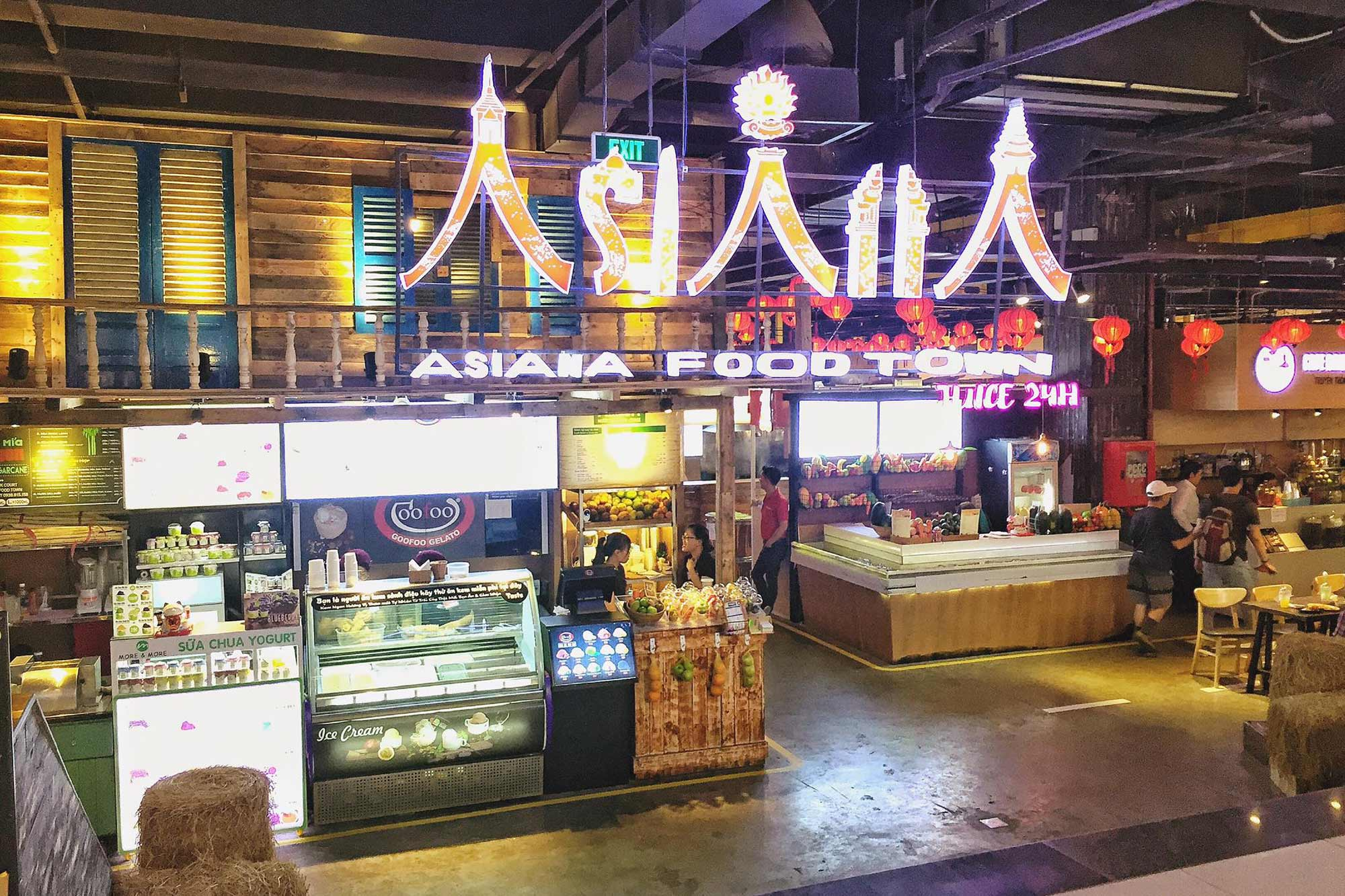
Markets for variety, family joints for heart, modern spots for comfort and cocktails
9. Ordering Like a Local: Phrases, Etiquette, and Tipping
-
Simple phrases: “Cho toi …” (Please give me …), “Khong cay” (not spicy), “It duong” (less sugar), “Cam on” (thank you).
-
Etiquette: share plates, don’t stick chopsticks upright in rice, sip broth.
-
Tipping: not mandatory; round up small bills; tip for excellent service or tours.

A few phrases and gestures turn good meals into great experiences
10. Food Markets, Cooking Classes, and Farm Visits
Cooking schools in Hanoi, Hoi An, Hue, and Saigon pair market walks with hands‑on classes. Mekong and Red River deltas offer farm visits—rice paddies, herb gardens, and coconut workshops—to see ingredients at source.

Shop, cook, and taste—learning flavors makes them easier to find later
11. What It Costs: Sample Prices and How to Save
-
Street bowl of pho/bun: 35,000–65,000 VND
-
Banh mi: 25,000–45,000 VND
-
Coffee/juice: 25,000–50,000 VND
-
Market lunch (2–3 dishes, rice): 60,000–120,000 VND
-
Modern bistro dinner: 180,000–350,000 VND per person
Money‑savvy tips: eat where locals queue, choose daily specials, and avoid tourist‑only menus.

Great food is widely affordable—variety, not cost, is the fun challenge
12. Seasonal & Festival Foods You Shouldn’t Miss
-
Tet (Lunar New Year): banh chung/banh tet (sticky rice cakes), pickled onions, braised pork.
-
Mid‑Autumn: mooncakes and lantern‑lit night markets.
-
Coastal seasons: jellyfish salads, grilled cuttlefish, and regional shellfish.
Seasonal sweets and savory festival plates add meaning to your calendar
13. Sample Food‑Focused Itineraries
-
5 days (Hanoi + Ninh Binh): pho and bun cha in the Old Quarter → market tour and cooking class → day trip to Ninh Binh for goat, rice crust, and river sampans.
-
7 days (Hue–Da Nang–Hoi An): bun bo Hue and royal snacks → Hai Van Pass food stops → mi Quang and seafood on My Khe → cao lau and white rose dumplings in Hoi An.
-
10 days (Saigon + Mekong): com tam and craft coffee → chinatown snacks in District 5 → Mekong farm visit and coconut candy → seafood and night markets.
14. Plan a Food Journey with GrandViet Tour
GrandViet Tour builds itineraries that turn this Vietnamese Food Guide into a real tasting route. We sequence markets, cooking classes, and tastings with cultural sights and simple transfers, so you spend more time eating and less time figuring things out.
-
Reserve tough tables and time‑sensitive specialties.
-
Balance street classics with modern kitchens for comfort and variety.
-
Adapt to dietary needs while keeping dishes authentic.
15. Conclusion
From pho breakfasts to mooncake nights, Vietnam’s pantry is as broad as its landscapes. Keep choices simple: one or two signature dishes per stop, with room for surprises. Use this Vietnamese Food Guide to order confidently, and let GrandViet Tour connect the dots between kitchens, classes, and culture.
16. Frequently Asked Questions
Q1: What should I try first if I have one day?
Pho for breakfast, banh mi for lunch, and bun cha or com tam for dinner, plus iced coffee.
Q2: Is street food safe?
Yes when you choose busy stalls, fresh turnover, and cooked‑to‑order dishes. Avoid items that look old or uncovered.
Q3: Can I eat vegetarian or vegan easily?
Yes. Look for “chay” restaurants or ask for tofu/mushroom swaps; confirm fish sauce.
Q4: How spicy is Vietnamese food?
Most dishes start mild; you adjust heat with fresh chiles and sauces at the table.
Q5: What’s the difference between Hanoi and Saigon pho?
Hanoi broth is clearer and lighter; Saigon style is herb‑heavy with more condiments.
Q6: Is tipping expected?
Not required. Round up small amounts or tip for exceptional service and guided tastings.
Q7: Can GrandViet Tour arrange cooking classes and food tours?
Absolutely. We bundle classes, market walks, and reliable transfers into a smooth plan.
Other articles









© GrandViet Tour Co., Ltd. - International Tour Operator Licence 01-217/TCDL-GPLHQT.
Copyright © 2006 - 2020. All Rights Reserved.