

Travel Guide
Exploring Vietnam’s Mountains & Highlands: Top Destinations
Discover Vietnam's majestic mountains and diverse highlands, from Sapa's terraced peaks to Da Lat's cool plateaus. Explore these stunning landscapes with GrandViet Tour's expert guidance.
1. Introduction to Vietnam's Mountainous Landscape
Vietnam, a land renowned for its profound cultural depth and stunning geographical diversity, is equally captivating for its breathtaking mountains and highlands. These rugged terrains not only shape Vietnam's natural beauty but also its rich cultural heritage. From mist-shrouded peaks and terraced rice fields to deep valleys and ancient caves, Vietnam's mountains and highlands offer an unparalleled journey into the heart of this enchanting country.
The mountains and highlands in Vietnam provide habitats for rich flora and fauna while nurturing diverse ethnic communities. These elevated landscapes stretch from the northern border with China to the central regions, creating a dramatic backdrop that has influenced Vietnamese life for thousands of years. The mountains and highlands in Vietnam are more than just scenic wonders - they are the lifeblood of the country's biodiversity and cultural diversity.

Vietnam's diverse mountainous landscape spans from northern peaks to central highlands
2. Why Vietnam's Mountains and Highlands Are Special
The mountains and highlands in Vietnam stand apart from other mountainous regions worldwide for several compelling reasons. First, Vietnam's unique geographical position creates diverse mountain ecosystems - from the towering limestone karsts of the north to the volcanic plateaus of the central highlands. This variety offers visitors an incredible range of scenic experiences within one country.
Second, the mountains and highlands in Vietnam represent living cultural heritage. Traditional farming methods and ethnic minority cultures continue to thrive in these remote regions. The connection between Vietnamese people and their mountainous landscapes goes beyond economics - it's a spiritual bond that shapes daily life, festivals, and community traditions.
Third, the seasonal transformations of Vietnam's mountains and highlands create ever-changing landscapes that photographers and nature lovers find irresistible. From the spring blossoms of Da Lat to the autumn colors of Sapa, each season offers its own unique beauty and experiences.

Vietnam's mountains showcase diverse landscapes from terraced rice fields to limestone karsts
3. Best Time to Visit Vietnam's Mountains
The optimal time to visit the mountains and highlands in Vietnam depends on which region you plan to explore and what type of experience you seek. Understanding the seasonal patterns is crucial for planning the perfect mountain adventure.
Northern Vietnam (Sapa, Ha Giang, Mu Cang Chai):
-
March-May: Spring brings blooming flowers and pleasant temperatures
-
June-August: Summer offers lush green landscapes but occasional rain
-
September-November: Autumn provides clear skies and golden rice terraces
-
December-February: Winter brings cool temperatures and occasional snow
Central Highlands (Da Lat, Kon Tum):
-
November-April: Dry season with cool, pleasant weather
-
May-October: Rainy season with lush vegetation and waterfalls
Central Vietnam (Phong Nha-Ke Bang, Ninh Binh):
-
February-August: Best for cave exploration and outdoor activities
-
September-January: Rainy season may limit some activities
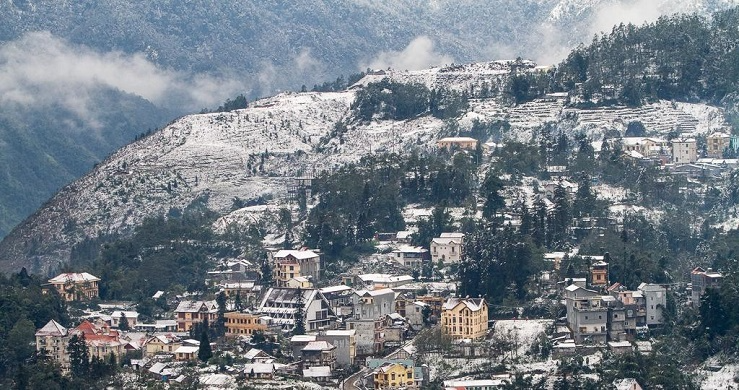
Different seasons offer unique perspectives of Vietnam's mountainous regions
4. Top 8 Mountains and Highlands in Vietnam
4.1. Sapa - The Roof of Indochina
Location: Lao Cai Province, Northern Vietnam
Sapa stands as the crown jewel of Vietnam's mountains and highlands, home to Mount Fansipan - the "Roof of Indochina" at 3,143 meters. This mountain town offers spectacular terraced rice fields, ethnic minority villages, and challenging trekking routes.
Best Time to Visit: September-November for clear views and golden terraces
Highlights:
-
Conquer Mount Fansipan summit
-
Trek through Hmong and Dao villages
-
Experience homestays with local families
-
Capture sunrise photography over terraces
GrandViet Tour Tip: Our Sapa trekking tours include summit attempts on Mount Fansipan and authentic cultural experiences with ethnic communities.
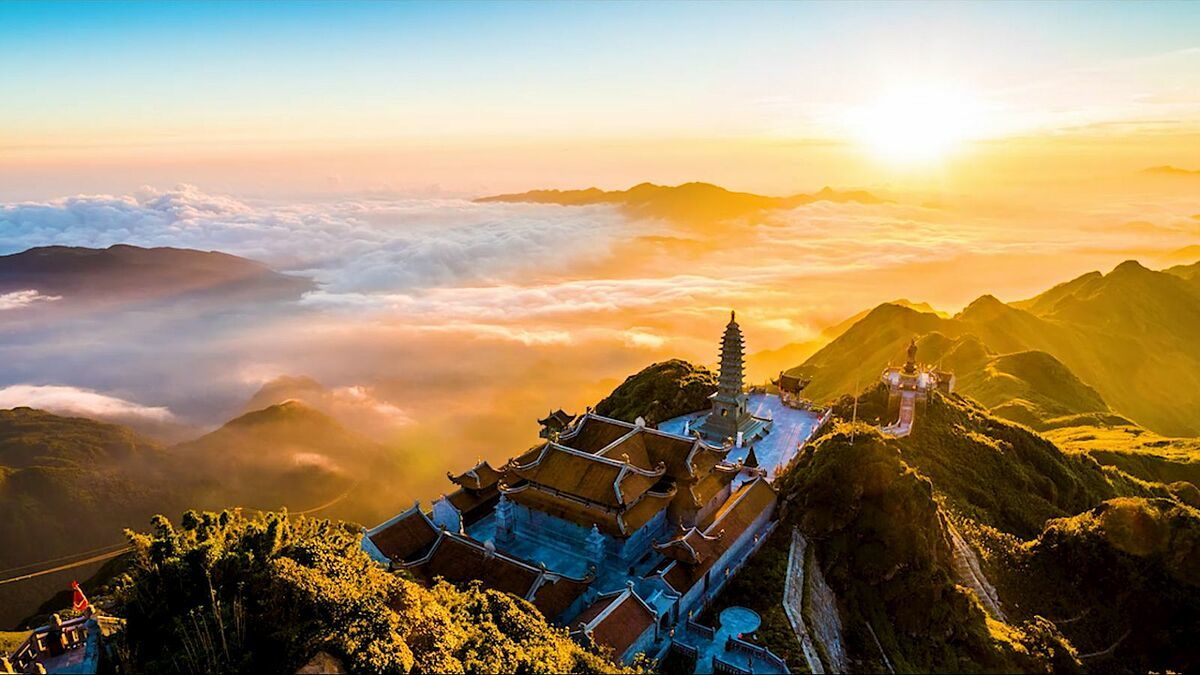
Sapa's Mount Fansipan stands as the highest peak in Indochina
4.2. Ha Giang - The Northern Frontier
Location: Ha Giang Province, Northern Vietnam
Ha Giang offers some of Vietnam's most dramatic mountains and highlands with the Dong Van Karst Plateau, a UNESCO Global Geopark. This remote region features winding mountain passes, deep valleys, and ethnic minority cultures.
Best Time to Visit: September-November for clear skies and pleasant temperatures
Highlights:
-
Ma Pi Leng Pass viewpoints
-
Dong Van Karst Plateau exploration
-
Ethnic minority village homestays
-
Motorbike adventures on the Ha Giang Loop
GrandViet Tour Tip: Our Ha Giang motorbike tours include expert local guides and authentic homestay experiences in remote mountain villages.
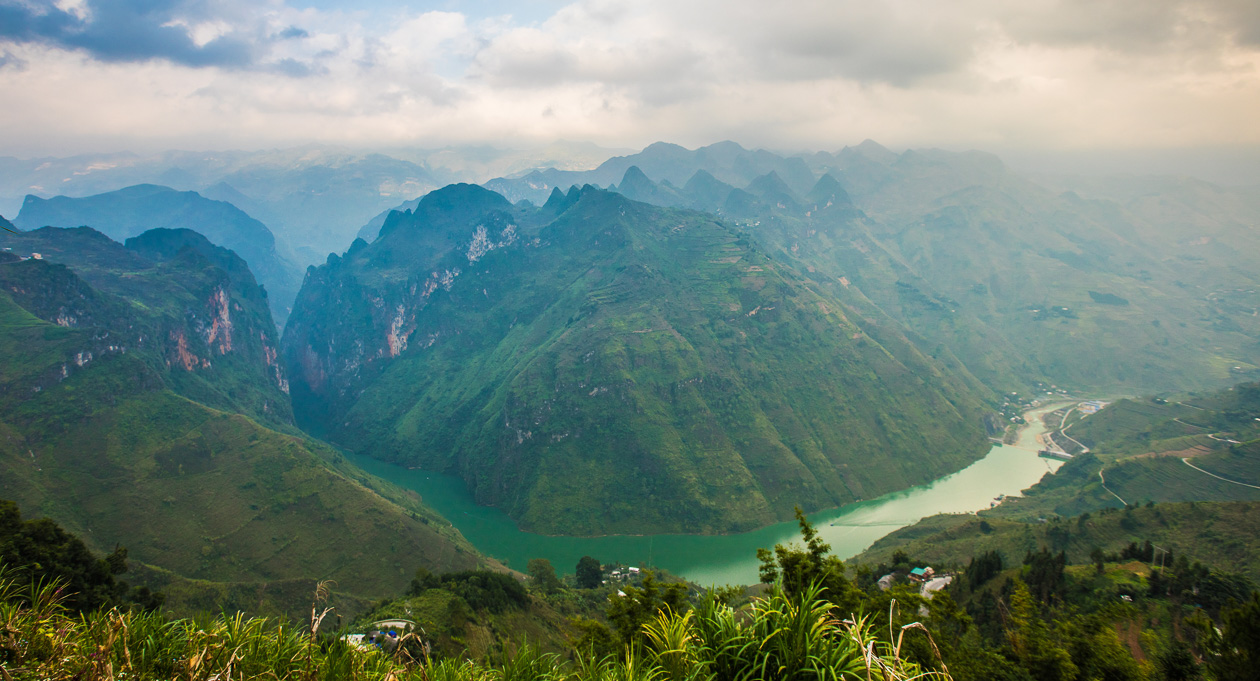
Ha Giang's dramatic karst landscapes create Vietnam's most spectacular mountain scenery
4.3. Mu Cang Chai - Terraced Mountain Paradise
Location: Yen Bai Province, Northern Vietnam
Mu Cang Chai showcases Vietnam's most spectacular terraced mountains and highlands, spanning over 2,000 hectares of agricultural landscapes. These terraces, carved by Hmong farmers over generations, create breathtaking panoramic views.
Best Time to Visit: September-October for golden harvest season
Highlights:
-
Khau Pha Pass viewpoints
-
La Pan Tan village terraces
-
Hmong ethnic culture immersion
-
Photography workshops and tours
GrandViet Tour Tip: Our Mu Cang Chai photography tours are designed to capture the perfect golden hour shots of these magnificent terraces.
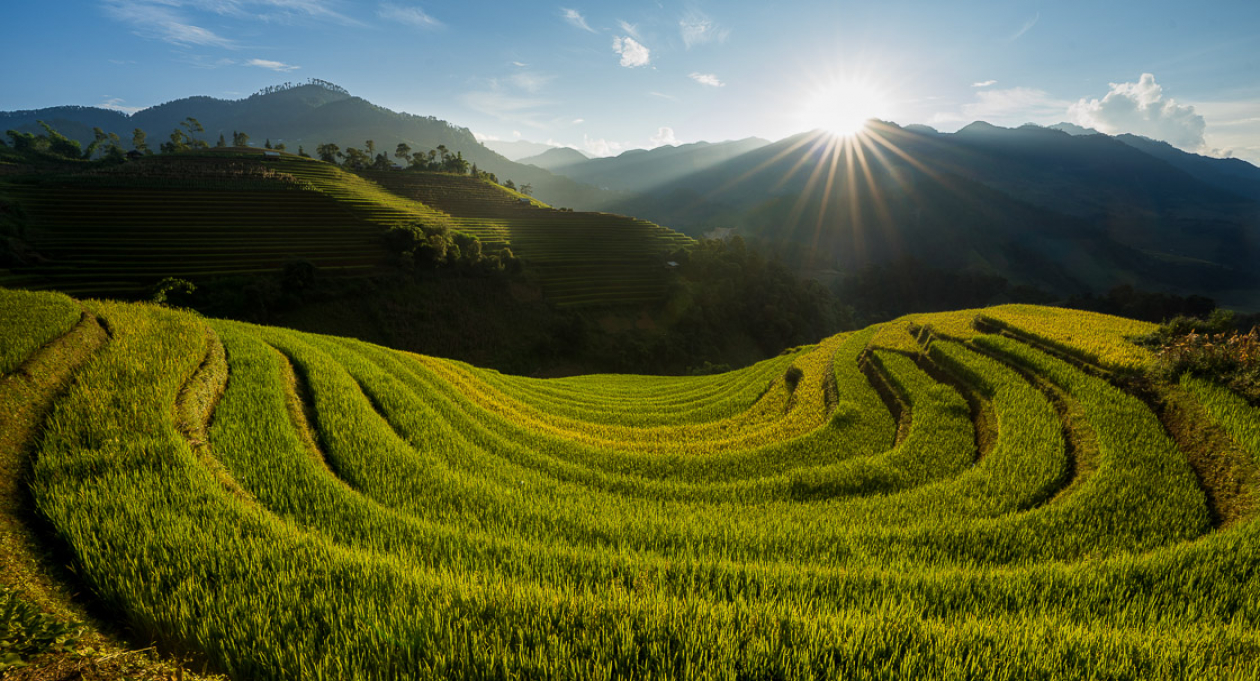
Mu Cang Chai's terraced mountains offer Vietnam's most dramatic agricultural landscapes
4.4. Ba Be National Park - Mountain Lake Wonder
Location: Bac Kan Province, Northern Vietnam
Ba Be National Park combines pristine mountains and highlands with Vietnam's largest natural lake. The park features dramatic limestone cliffs, verdant jungles, and stunning waterfalls surrounded by ethnic Thai and Muong communities.
Best Time to Visit: March-May for pleasant weather and clear lake views
Highlights:
-
Boat tours on Ba Be Lake
-
Jungle trekking and wildlife spotting
-
Ethnic minority village visits
-
Cave exploration and waterfall hikes
GrandViet Tour Tip: Our Ba Be eco-tours combine mountain exploration with lake activities and authentic cultural experiences.
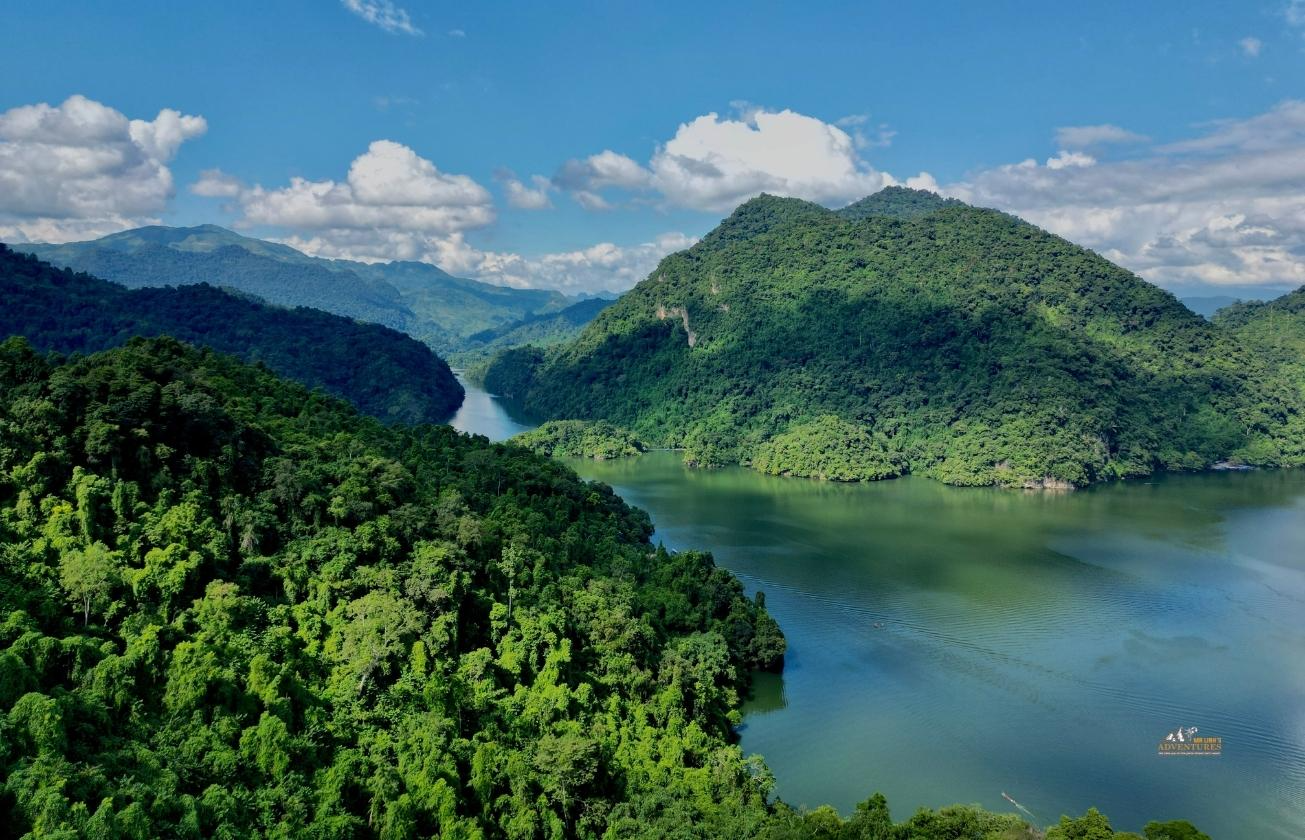
Ba Be National Park combines dramatic mountains with Vietnam's largest natural lake
4.5. Da Lat - The City of Eternal Spring
Location: Lam Dong Province, Central Highlands
Da Lat, nestled in Vietnam's mountains and highlands at 1,500 meters elevation, offers a cool, temperate climate year-round. This former French colonial hill station features pine forests, serene lakes, and romantic landscapes.
Best Time to Visit: November-April for dry, cool weather
Highlights:
-
French colonial architecture
-
Pine forest hiking trails
-
Flower gardens and coffee plantations
-
Waterfall visits and mountain biking
GrandViet Tour Tip: Our Da Lat tours include visits to coffee plantations, waterfall hikes, and romantic sunset viewpoints.
.png)
Da Lat's cool mountain climate creates Vietnam's most romantic highland destination
4.6. Phong Nha-Ke Bang - Karst Mountain Marvel
Location: Quang Binh Province, Central Vietnam
Phong Nha-Ke Bang National Park showcases Vietnam's most spectacular karst mountains and highlands. This UNESCO World Heritage site features an intricate network of limestone mountains and impressive cave systems, including the world's largest cave.
Best Time to Visit: February-August for optimal cave exploration
Highlights:
-
Son Doong Cave exploration
-
Paradise Cave and Phong Nha Cave visits
-
Mountain hiking and trekking
-
River adventures and wildlife spotting
GrandViet Tour Tip: Our Phong Nha adventure tours include cave exploration, mountain trekking, and expert speleological guidance.

Phong Nha-Ke Bang's karst mountains hide the world's most spectacular cave systems
4.7. Ninh Binh - Mountains on Land
Location: Ninh Binh Province, Northern Vietnam
Often called "Ha Long Bay on land," Ninh Binh's mountains and highlands feature mesmerizing limestone karsts rising from emerald rice paddies. The landscape is best explored by sampan boats navigating water-carved passages through the karst mountains.
Best Time to Visit: June-July for peak green season, October-November for harvest
Highlights:
-
Tam Coc and Trang An boat tours
-
Mua Cave panoramic viewpoints
-
Ancient capital historical sites
-
Mountain biking through rice fields
GrandViet Tour Tip: Our Ninh Binh day tours combine karst mountain exploration with cultural and historical attractions.
4.8. Kon Tum - Central Highlands Gem
Location: Kon Tum Province, Central Highlands
Kon Tum represents the northern gateway to Vietnam's mountains and highlands in the Central Highlands. This region features diverse ethnic minority cultures, pristine forests, and traditional longhouse communities.
Best Time to Visit: November-April for dry weather and cultural festivals
Highlights:
-
Ethnic minority village homestays
-
Traditional longhouse architecture
-
Forest trekking and wildlife spotting
-
Cultural performances and festivals
GrandViet Tour Tip: Our Kon Tum cultural tours include authentic homestays and deep immersion into ethnic minority traditions.
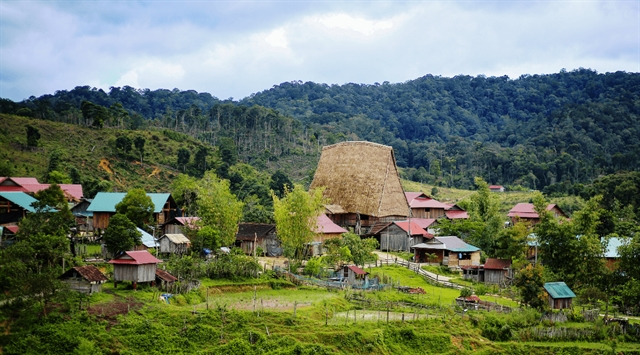
Kon Tum offers authentic experiences in Vietnam's Central Highlands
5. Adventure Activities in Vietnam's Mountains
The mountains and highlands in Vietnam offer more than just scenic beauty - they provide opportunities for thrilling adventures and outdoor activities that cater to all skill levels.
Mountain Climbing and Trekking:
-
Summit Mount Fansipan in Sapa
-
Trek through ethnic minority villages
-
Explore remote mountain trails
-
Multi-day mountain expeditions
Cave Exploration:
-
Discover Son Doong Cave in Phong Nha
-
Explore limestone cave systems
-
Underground river adventures
-
Speleological expeditions
Cultural Immersion:
-
Homestays in ethnic villages
-
Traditional farming experiences
-
Cultural performances and festivals
-
Local cuisine and cooking classes
GrandViet Tour Tip: Our adventure packages combine mountain activities with cultural experiences, ensuring authentic and safe mountain adventures.
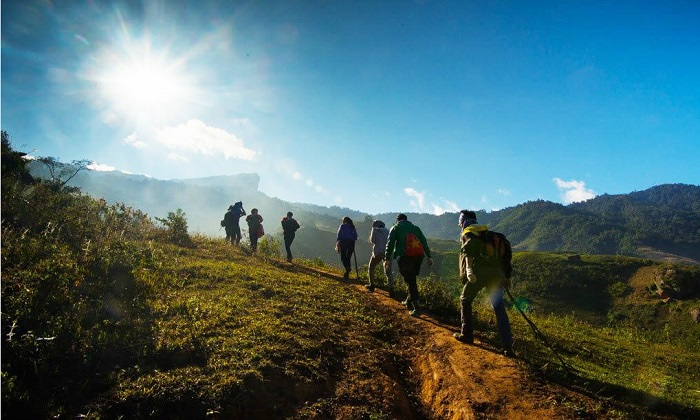
Vietnam's mountains offer diverse adventure opportunities from trekking to cave exploration
6. Cultural Experiences in the Highlands
The mountains and highlands in Vietnam are cultural treasure troves, home to diverse ethnic minority groups who maintain traditional lifestyles and ancient customs.
Ethnic Minority Cultures:
-
Hmong, Dao, Tay, and Nung in the north
-
Ede, Jarai, and Bahnar in the central highlands
-
Traditional textile weaving and handicrafts
-
Ancient agricultural practices
Traditional Festivals:
-
Spring planting ceremonies
-
Harvest celebrations
-
Ethnic minority cultural festivals
-
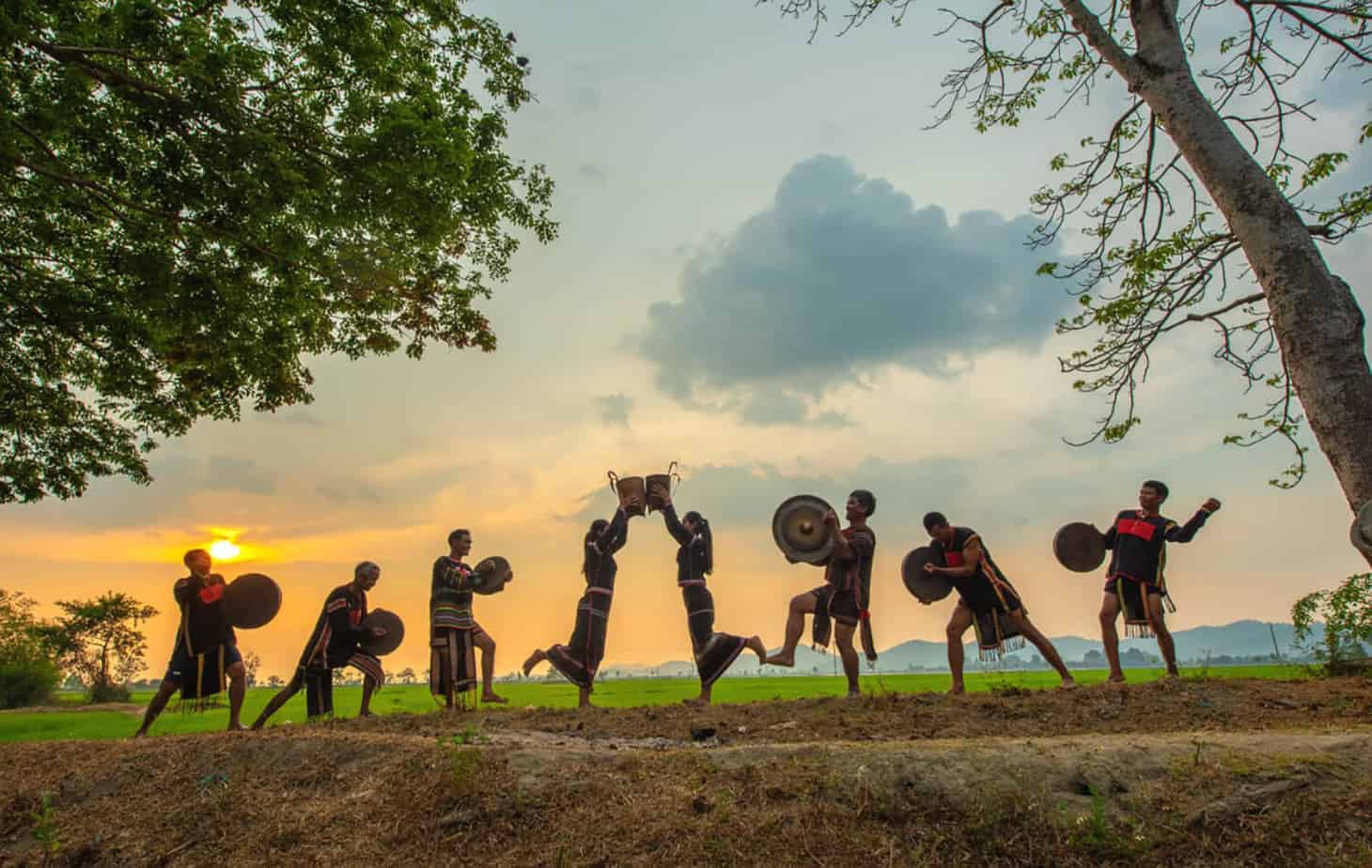
Traditional music and dance performances
Local Cuisine:
-
Mountain specialties and wild herbs
-
Traditional rice wine and local spirits
-
Ethnic minority cooking methods
-
Farm-to-table dining experiences
GrandViet Tour Tip: Our cultural immersion tours include hands-on experiences with local communities and authentic cultural performances.
 g
g
Vietnam's highlands preserve rich ethnic minority cultures and traditions
7. Planning Your Mountain Adventure
Planning a visit to the mountains and highlands in Vietnam requires careful consideration of timing, transportation, and accommodation options.
Transportation Options:
-
From Hanoi: Overnight trains or buses to northern destinations
-
From Ho Chi Minh City: Domestic flights to Da Lat and Central Highlands
-
Local transport: Motorbike rentals, private drivers, or guided tours
Accommodation Choices:
-
Homestays: Authentic local experiences in ethnic villages
-
Eco-lodges: Sustainable accommodation in mountain regions
-
Resorts: Comfortable options in popular destinations
-
Guesthouses: Budget-friendly local accommodations
Best Practices:
-
Respect local customs and traditions
-
Support local communities through responsible tourism
-
Minimize environmental impact
-
Learn basic Vietnamese phrases for better interaction
GrandViet Tour Tip: Our comprehensive tour packages include transportation, accommodation, and expert local guides to ensure the best mountain experiences.
8. Conclusion
The mountains and highlands in Vietnam represent one of the country's most beautiful and culturally significant landscapes. From the towering peaks of the north to the cool plateaus of the central highlands, these elevated wonders offer visitors unparalleled opportunities to connect with Vietnam's heritage, culture, and natural beauty.
Whether you're an adventure seeker wanting to conquer Mount Fansipan, a cultural enthusiast seeking authentic ethnic minority experiences, or simply a traveler looking to witness Vietnam's most spectacular landscapes, the mountains and highlands in Vietnam promise unforgettable memories and deep insights into the country's mountainous soul.
Ready to explore Vietnam's stunning mountains and highlands? Contact GrandViet Tour today to plan your perfect mountain adventure. Our expert guides and carefully crafted itineraries ensure you'll experience the most beautiful mountains and highlands in Vietnam while supporting local communities and preserving these precious landscapes for future generations.
9. Frequently Asked Questions
Q: What is the best time of year to visit Vietnam's mountains and highlands? A: The best time depends on the region. Northern Vietnam (Sapa, Ha Giang) is best from September to November for clear skies and pleasant temperatures, while the Central Highlands can be visited year-round with November to April being optimal.
Q: Are Vietnam's mountains and highlands accessible for all travelers? A: Yes, Vietnam's mountains and highlands cater to different fitness levels. Some require hiking (like Sapa), while others are easily accessible by road (like Da Lat). GrandViet Tour can recommend suitable options based on your preferences.
Q: Can I participate in cultural activities in the mountain regions? A: Yes! Many homestays and tour operators offer hands-on experiences like traditional farming, textile weaving, and cooking classes. GrandViet Tour's cultural immersion programs include authentic activities with local communities.
Q: What should I pack for visiting Vietnam's mountains and highlands? A: Essential items include comfortable walking shoes, weather-appropriate clothing, camera equipment, sunscreen, and insect repellent. For trekking destinations, bring proper hiking gear and warm layers for cooler mountain temperatures.
Q: Are there safety considerations for mountain travel in Vietnam? A: While generally safe, it's recommended to hire local guides for remote areas, respect weather conditions, and follow local advice. GrandViet Tour ensures all mountain adventures are conducted with proper safety measures and expert local guides.
Q: How can I support local communities when visiting mountain regions? A: Choose responsible tour operators like GrandViet Tour, stay in local homestays, purchase local handicrafts, and respect local customs and traditions. This ensures your visit benefits the communities you're visiting.
Q: What makes Vietnam's mountains and highlands different from other countries? A: Vietnam's mountains and highlands are unique due to their diverse geography (karst formations to volcanic plateaus), rich ethnic minority cultures, traditional farming practices, and the deep spiritual connection between Vietnamese people and their mountainous landscapes.
Q: Can I visit Vietnam's mountains independently, or do I need a guide? A: While independent travel is possible in some areas, hiring a local guide (like GrandViet Tour's experts) enhances your experience with cultural insights, access to remote areas, and authentic local interactions that you might miss on your own.
Other articles

© GrandViet Tour Co., Ltd. - International Tour Operator Licence 01-217/TCDL-GPLHQT.
Copyright © 2006 - 2020. All Rights Reserved.