

Travel Guide
Best Time To Visit Vietnam By Region
1. Best Time to Visit Vietnam: Climate Overview
Vietnam's unique S-shaped geography, stretching over 1,650 kilometers from north to south, creates one of Southeast Asia's most diverse climate systems. As proud Vietnamese locals who have experienced every season across our beautiful country, we understand that choosing the best time to visit Vietnam can make the difference between an unforgettable adventure and a weather-challenged journey.
This guide explains the best time to visit Vietnam by region, month, and season so you can plan with confidence.
From the misty mountains of Sapa where winter temperatures can drop to 4°C, to the tropical Mekong Delta where year-round warmth creates lush landscapes, Vietnam offers year-round travel opportunities depending on your destination preferences. This comprehensive guide will help you understand when to visit each region, ensuring you experience Vietnam at its most beautiful and comfortable.
.png)
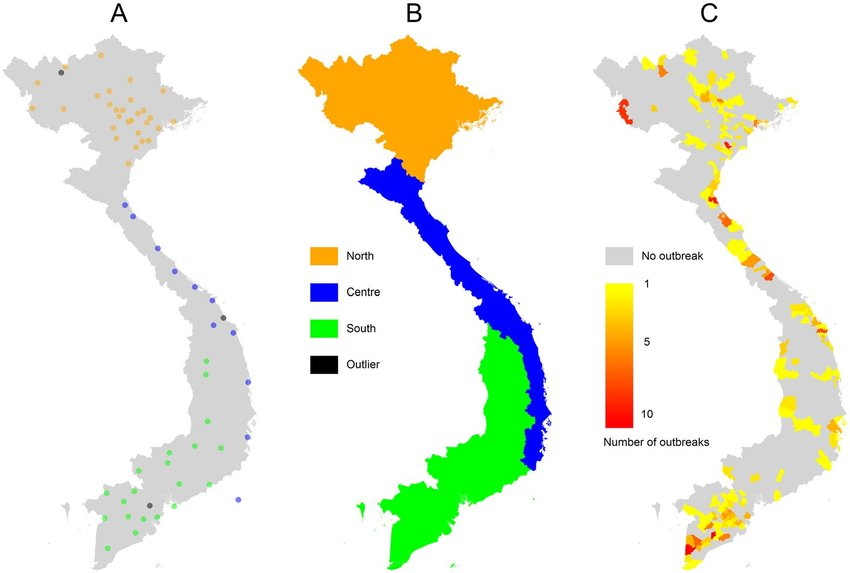
Vietnam's three distinct climate zones create year-round travel opportunities
2. Understanding Vietnam's Weather Patterns
The Three Climate Zones
Vietnam's weather is primarily influenced by three distinct climatic regions that create unique travel experiences throughout the year:
Northern Vietnam (Hanoi, Sapa, Ha Long Bay): Experiences four distinct seasons with cool, dry winters and hot, humid summers. The mountainous regions like Sapa offer refreshing escapes from tropical heat, while the Red River Delta provides moderate temperatures during spring and autumn.
Central Vietnam (Hue, Hoi An, Da Nang): Features a tropical monsoon climate with distinct wet and dry seasons. The region faces typhoon season from August to November, but offers excellent beach weather from February to August.
Southern Vietnam (Ho Chi Minh City, Mekong Delta, Phu Quoc): Maintains a tropical climate year-round with wet and dry seasons. Temperatures remain consistently warm, making it an excellent destination regardless of the season.
Monsoon Seasons and Their Impact
Vietnam experiences two main monsoon seasons that significantly affect travel planning:
Southwest Monsoon (May-September): Brings heavy rainfall to the south and central regions, creating lush green landscapes and dramatic thunderstorms that many photographers cherish.
Northeast Monsoon (October-April): Brings cooler, drier weather to the north while the south enjoys pleasant conditions perfect for beach activities and cultural exploration.
Unleash the joys of traveling during the monsoon season in Vietnam (Source: Collected)
3. Best Time to Visit Northern Vietnam
Optimal Seasons: Spring and Autumn
Northern Vietnam shines brightest during spring (March to April) and autumn (September to November), when temperatures are comfortable and rainfall is minimal. These seasons offer the perfect conditions for exploring Hanoi's historic Old Quarter, trekking through Sapa's terraced rice fields, and cruising through Ha Long Bay's limestone karsts.
For many travelers, spring and autumn align with the best time to visit Vietnam overall.
Spring (March-April): Temperatures range from 20-28°C with clear skies and blooming flowers. This is the ideal time for outdoor activities and cultural exploration without the summer crowds.
Autumn (September-November): Cool, crisp weather with temperatures between 18-25°C creates perfect conditions for mountain trekking and city sightseeing. The golden rice terraces of Sapa during harvest season create breathtaking photo opportunities.
Winter Considerations (December-February)
While winter brings cooler temperatures to northern Vietnam, it offers unique experiences that many travelers cherish:
Hanoi Winter: Temperatures average 17-22°C with mostly dry weather, making it comfortable for exploring the capital's historic sites and enjoying authentic street food without the summer heat.
Sapa Winter: Mountain temperatures can drop to 4°C overnight, creating magical misty landscapes and opportunities to experience local ethnic minority cultures in cozy homestays. The cool weather makes trekking comfortable during daylight hours.
Ha Long Bay Winter: While temperatures are cooler (15-20°C), the bay experiences fewer crowds and offers serene cruising experiences with dramatic limestone formations emerging from morning mist.

Sapa's misty winter landscapes create magical photo opportunities
Summer Challenges (May-August)
Summer in northern Vietnam brings high humidity and frequent rainfall, particularly in July and August:
Weather Conditions: Temperatures can reach 35°C with humidity levels above 80%, making outdoor activities challenging during peak hours.
Rainfall Impact: Heavy afternoon showers can disrupt outdoor plans, though they often provide relief from the heat and create beautiful rainbow opportunities over the rice fields.
Alternative Activities: Summer visitors can focus on indoor cultural experiences, early morning exploration, and enjoying the lush green landscapes that the rain creates.
4. Best Time to Visit Central Vietnam
Peak Season: February to August
Central Vietnam offers its best weather from February to August, making it the region's peak tourist season:
February-April: Pleasant temperatures (25-30°C) with minimal rainfall create ideal conditions for exploring Hue's imperial citadel, Hoi An's ancient town, and Da Nang's pristine beaches.
May-August: Hot, dry weather (30-35°C) with clear skies perfect for beach activities, water sports, and outdoor exploration. The Marble Mountains and Ba Na Hills provide excellent hiking opportunities with panoramic coastal views.
For beach-focused itineraries, this window is often the best time to visit Vietnam.
Typhoon Season: August to November
Central Vietnam faces its most challenging weather during typhoon season:
Weather Patterns: Heavy rainfall, strong winds, and potential flooding can affect travel plans, particularly in coastal cities like Hoi An and Hue.
Travel Considerations: While this period offers lower prices and fewer crowds, visitors should monitor weather forecasts and have flexible itineraries. Many travelers appreciate the dramatic landscapes and cultural experiences that the rain creates.
Safe Alternatives: Da Lat in the Central Highlands offers cooler temperatures and fewer weather disruptions during this period, making it an excellent alternative destination.
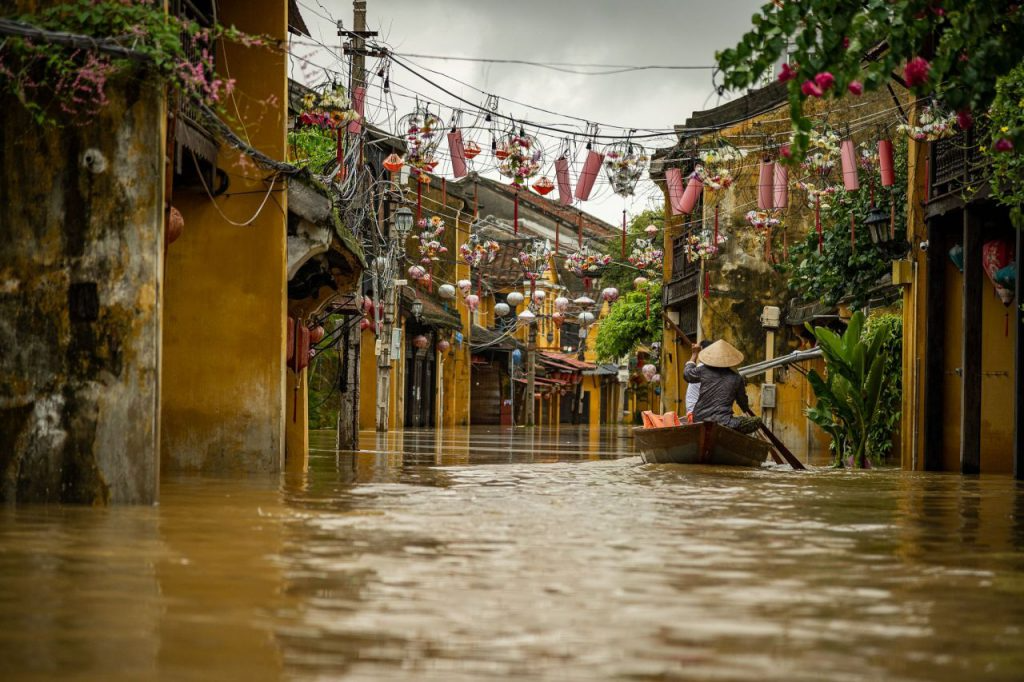
Hoi An's ancient architecture takes on a different charm during the rainy season
Regional Variations
Da Nang: Benefits from a longer dry season and generally milder weather patterns, making it more reliable year-round than other central destinations.
Nha Trang: Enjoys a longer dry season (January to September) and is less affected by typhoons, making it a safer choice during the wet season.
Phan Thiet/Mui Ne: Offers consistent beach weather with minimal rainfall throughout the year, making it an excellent alternative during central Vietnam's challenging months.
5. Best Time to Visit Southern Vietnam
Year-Round Appeal
Southern Vietnam's tropical climate makes it an excellent destination throughout the year, with each season offering unique advantages:
Dry Season (November to April): Pleasant temperatures (25-32°C) with minimal rainfall create perfect conditions for exploring Ho Chi Minh City's vibrant culture, cruising the Mekong Delta's waterways, and relaxing on Phu Quoc's pristine beaches.
Depending on your plans, the dry season is the best time to visit Vietnam's southern region.
Wet Season (May to October): While rainfall increases, the region maintains warm temperatures and offers unique experiences that many travelers prefer:
-
Lush Landscapes: The Mekong Delta transforms into a vibrant green paradise with high water levels perfect for floating market experiences.
-
Fewer Crowds: Lower tourist numbers mean better prices and more authentic local interactions.
-
Dramatic Photography: Afternoon thunderstorms create spectacular lighting conditions for capturing Vietnam's natural beauty.
Regional Highlights by Season
Ho Chi Minh City: Year-round accessibility with the best weather from December to April. The city's indoor attractions and vibrant nightlife make it enjoyable regardless of weather conditions.
Mekong Delta: Floating markets are most spectacular during the wet season (June to October) when water levels are highest, though the dry season offers easier land-based exploration.
Phu Quoc Island: Enjoys excellent weather year-round with the best conditions from November to April. Even during the wet season, rainfall is typically brief and followed by sunny skies.
mekong-delta-floating-markets.png
Mekong Delta's floating markets are most vibrant during the wet season
6. Best Time to Visit Vietnam: Month-by-Month Guide
January: Peak Season Begins
Weather: Cool, dry conditions across most of Vietnam with temperatures ranging from 15-28°C depending on region.
Highlights: Tet (Lunar New Year) celebrations create a festive atmosphere throughout the country. This is an excellent time for cultural immersion and experiencing Vietnamese traditions.
Use this overview to pinpoint the best time to visit Vietnam for your itinerary.
Best Regions: Central and southern Vietnam offer the most comfortable weather, while northern Vietnam provides cool, crisp conditions perfect for city exploration.
February: Ideal Conditions
Weather: Similar to January with slightly warming temperatures and minimal rainfall across all regions.
Highlights: Post-Tet period offers fewer crowds and excellent opportunities for exploring major attractions without the usual tourist rush.
Best Regions: All regions offer excellent conditions, making February one of the best months to visit Vietnam.
March: Spring Awakening
Weather: Pleasant temperatures (20-30°C) with clear skies and blooming flowers throughout the country.
Highlights: Spring festivals and the beginning of the rice planting season create beautiful landscapes and cultural experiences.
Best Regions: Northern Vietnam shines during spring, while central and southern regions maintain excellent beach weather.
April: Transition Period
Weather: Temperatures continue to rise with increasing humidity, particularly in the south. Rainfall begins to increase in northern regions.
Highlights: Fewer crowds as peak season begins to wind down, making it an excellent time for budget-conscious travelers.
Best Regions: Central Vietnam offers the most consistent weather during this transition period.
May: Wet Season Begins
Weather: Increasing rainfall in the north and south, while central Vietnam maintains dry, sunny conditions.
Highlights: Lower prices and fewer crowds make May an attractive option for budget travelers willing to work around occasional rain.
Best Regions: Central Vietnam provides the most reliable weather during May.
June: Peak Summer
Weather: Hot, humid conditions in the north with frequent rainfall. Central Vietnam remains dry and sunny, while the south experiences daily afternoon showers.
Highlights: Summer activities and water sports are excellent in central Vietnam, while the south offers lush green landscapes.
Best Regions: Central Vietnam provides the best summer weather, while the south offers unique monsoon experiences.
July: Monsoon Peak
Weather: Heavy rainfall across most regions, with central Vietnam maintaining relatively dry conditions.
Highlights: Lower prices and fewer crowds make July attractive for budget travelers. Indoor cultural experiences and early morning exploration are recommended.
Best Regions: Central Vietnam offers the most reliable weather, while other regions require flexible planning.
August: Typhoon Season
Weather: Central Vietnam enters typhoon season, while northern and southern regions experience heavy rainfall.
Highlights: Green turtle nesting season begins on Con Dao Island, creating unique wildlife viewing opportunities.
Best Regions: Northern Vietnam offers cooler temperatures, while the south provides lush monsoon landscapes.
September: Autumn Transition
Weather: Northern Vietnam begins to cool, central Vietnam faces typhoon season, and southern Vietnam experiences peak monsoon conditions.
Highlights: Mid-Autumn Festival celebrations and Vietnam Independence Day create cultural experiences throughout the country.
Best Regions: Northern Vietnam offers pleasant autumn weather, while other regions require weather-aware planning.
October: Autumn Arrives
Weather: Northern Vietnam enjoys cool, pleasant autumn conditions, while central and southern regions continue to experience rainfall.
Highlights: Autumn colors in northern Vietnam create beautiful landscapes, while cultural festivals continue throughout the country.
Best Regions: Northern Vietnam provides the best weather during October.
November: Peak Autumn
Weather: Excellent conditions across northern Vietnam with cool, dry weather. Central Vietnam begins to dry out, while southern Vietnam maintains pleasant temperatures.
Highlights: Golden rice terraces in northern Vietnam create spectacular photo opportunities, while beach weather improves in central regions.
Best Regions: Northern Vietnam offers the best weather, while central Vietnam begins to recover from typhoon season.
December: Winter Begins
Weather: Cool, dry conditions in the north with comfortable temperatures for exploration. Central and southern Vietnam offer pleasant weather with minimal rainfall.
Highlights: Christmas and New Year celebrations create a festive atmosphere, while comfortable weather makes exploration enjoyable across all regions.
Best Regions: All regions offer good conditions, making December an excellent month for comprehensive Vietnam exploration.
7. Cultural Events and Festivals
Tet (Lunar New Year): Late January/Early February
Vietnam's most important celebration affects travel throughout the country:
Impact on Travel: Domestic travel surges create crowded tourist spots, increased prices, and potential business closures. Advance booking is essential during this period.
Cultural Experience: Despite the challenges, Tet offers unique opportunities to experience Vietnamese culture at its most authentic. Many families welcome visitors to share traditional meals and celebrations.
Planning Tips: Book accommodations and transportation well in advance, expect some attractions to be closed, and embrace the festive atmosphere that transforms the entire country.
Mid-Autumn Festival: September/October
This family-oriented celebration creates magical evenings throughout Vietnam:
Cultural Highlights: Lantern parades, mooncake sharing, and traditional performances create enchanting experiences for visitors.
Travel Advantages: Generally fewer crowds and closures compared to Tet, making it an excellent time for cultural immersion.
Best Locations: Hoi An's lantern festival and Hanoi's traditional celebrations offer the most spectacular experiences.
Regional Festivals
Hue Festival (Biennial): Showcases traditional arts, music, and dance from across Vietnam and the region, typically held in even-numbered years.
Hoi An Lantern Festival: Monthly full moon celebrations transform the ancient town into a magical wonderland of floating lanterns and traditional performances.
Sapa Love Market: Traditional ethnic minority courtship rituals create unique cultural experiences, particularly during spring and autumn months.
8. Practical Planning Tips
Weather-Responsive Itineraries
Flexible Planning: Vietnam's diverse climate requires adaptable travel plans. Consider building flexibility into your itinerary to accommodate weather changes.
Multi-Region Travel: Plan your route to take advantage of the best weather in each region. For example, visit northern Vietnam in autumn, central Vietnam in spring, and southern Vietnam during the dry season. This helps you match destinations with the best time to visit Vietnam.
Backup Activities: Always have indoor alternatives planned for rainy days, such as museum visits, cooking classes, or spa experiences. This flexibility keeps your plans aligned with the best time to visit Vietnam in each place you go.
Budget Considerations
Seasonal Pricing: Peak season (December to April) brings higher prices for accommodations and tours, while the wet season offers significant savings.
Value Opportunities: Shoulder seasons (May-June and September-October) often provide the best balance of weather and pricing.
Local Insights: GrandViet Tour's local knowledge helps travelers find the best value regardless of the season, with access to local rates and seasonal promotions.
Health and Safety
Weather-Related Health: Stay hydrated during hot months, use appropriate sun protection, and carry rain gear during wet seasons.
Typhoon Preparedness: Monitor weather forecasts during typhoon season and have flexible travel plans. GrandViet Tour provides 24/7 support to help travelers navigate weather challenges.
Seasonal Vaccinations: Consult with healthcare providers about seasonal health considerations, particularly during monsoon seasons.
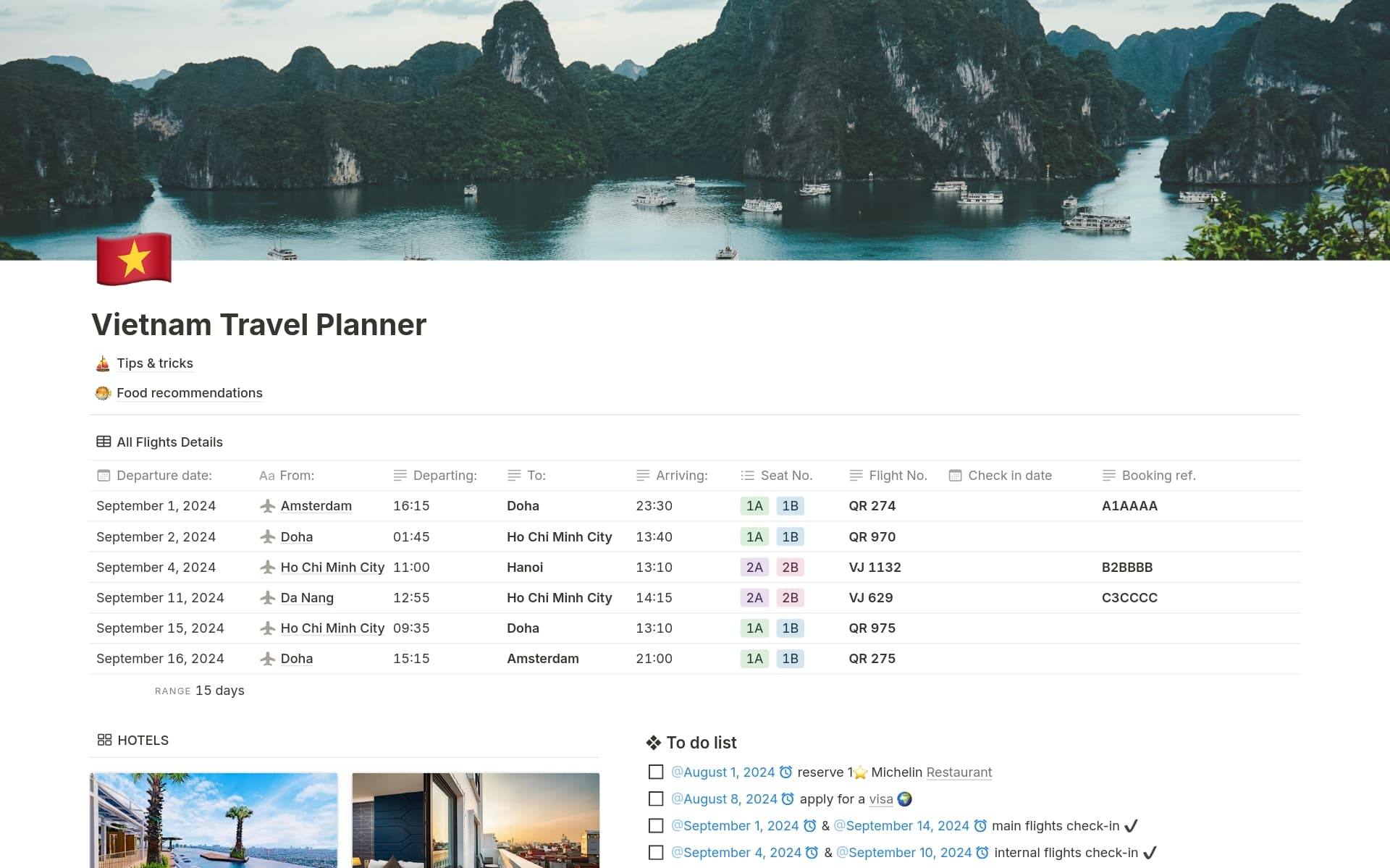
Proper planning ensures enjoyable experiences regardless of Vietnam's weather patterns
9. GrandViet Tour: Your Vietnam Weather Expert
Local Weather Intelligence
As Vietnam's premier inbound tour operator, GrandViet Tour provides unparalleled local weather knowledge that ensures your trip timing maximizes experiences while minimizing weather-related disruptions:
Seasonal Expertise: Our team of local experts understands Vietnam's complex weather patterns and can recommend the perfect timing for your specific interests and destinations. We help you choose the best time to visit Vietnam.
Real-Time Updates: We provide current weather information and can adjust itineraries to optimize your experience based on actual conditions.
Weather-Responsive Tours: Our package tours are designed with weather considerations in mind, ensuring you experience each destination at its best.
Customized Seasonal Experiences
GrandViet Tour creates weather-optimized experiences that showcase Vietnam's beauty in every season:
Spring Tours: Focus on northern Vietnam's blooming landscapes, cultural festivals, and comfortable trekking conditions in Sapa and Ha Giang.
Summer Adventures: Emphasize central Vietnam's beaches, water sports, and indoor cultural experiences while avoiding the challenging weather in other regions.
Autumn Exploration: Highlight northern Vietnam's golden rice terraces, comfortable city exploration, and spectacular mountain vistas.
Winter Comfort: Feature southern Vietnam's tropical warmth, central Vietnam's cultural sites, and northern Vietnam's misty mountain magic.
Professional Support Throughout Your Journey
24/7 Assistance: Our team provides round-the-clock support to help you navigate any weather-related challenges during your trip.
Local Connections: Established relationships with local communities and service providers ensure you receive the best care regardless of weather conditions.
Flexible Itineraries: We can adjust your plans to take advantage of the best weather in each region, maximizing your Vietnam experience.
10. Conclusion
Choosing the best time to visit Vietnam depends on your specific interests, preferred destinations, and tolerance for different weather conditions. Vietnam's diverse climate works to your advantage, offering year-round travel opportunities when you know where and when to go.
From the crisp autumn air of northern Vietnam's mountain regions to the tropical warmth of southern beaches, each season reveals a different facet of Vietnam's beauty. The best time to visit Vietnam by region becomes clear once you understand these seasonal patterns.
As you plan your Vietnamese adventure, remember that GrandViet Tour stands ready to transform your weather preferences into the perfect itinerary. Our local expertise, seasonal knowledge, and commitment to exceptional service ensure that your Vietnam experience will be nothing short of extraordinary—no matter the best time to visit Vietnam that you choose.
Ready to discover Vietnam at its best? Contact GrandViet Tour today to explore our weather-optimized package tours and begin planning the journey of a lifetime. Let us show you the real Vietnam - beautiful in every season, authentic in every experience, and unforgettable in every moment.
11. Frequently Asked Questions (FAQ)
Q: What is the overall best time to visit Vietnam? A: The overall best time to visit Vietnam is from February to April and September to November, when most regions experience pleasant weather with minimal rainfall. However, Vietnam's diverse climate means there's always a good time to visit different parts of the country.
Q: When is the worst time to visit Vietnam? A: The most challenging periods are July to September (typhoon season in central Vietnam) and May to August (hot, humid weather with frequent rainfall in northern and southern regions). However, these periods offer lower prices and unique experiences for flexible travelers.
Q: Can I visit Vietnam during the rainy season? A: Yes, Vietnam is accessible during the rainy season, but planning is essential. Rain typically comes in short bursts during afternoons, leaving mornings free for exploration. The wet season also creates lush landscapes and fewer crowds, making it attractive to many travelers.
Q: How does Tet (Lunar New Year) affect travel in Vietnam? A: Tet affects travel throughout Vietnam with crowded tourist spots, increased prices, and some business closures. While challenging, it offers unique cultural experiences. Advance booking is essential, and visitors should expect some disruptions to normal services.
Q: Is Vietnam safe to visit during typhoon season? A: Vietnam is generally safe during typhoon season, but travelers should monitor weather forecasts and have flexible plans. GrandViet Tour provides 24/7 support to help navigate weather challenges and can adjust itineraries as needed.
Q: What should I pack for Vietnam's different seasons? A: Pack lightweight, breathable clothing for year-round comfort, with additional layers for northern Vietnam's cooler months. Include rain gear for the wet season, sun protection for all seasons, and comfortable walking shoes for exploration.
Q: How far in advance should I book my Vietnam trip? A: Book at least 3-6 months in advance for peak season travel (December-April) and 2-3 months for other periods. During Tet or major festivals, book 6-12 months ahead to secure preferred accommodations and tours.
Q: Can GrandViet Tour help me choose the best time to visit? A: Absolutely! GrandViet Tour's local experts can recommend the perfect timing based on your interests, preferred destinations, and weather preferences. We create customized itineraries that maximize your experience regardless of the season and match your plans to the best time to visit Vietnam by region.
Other articles


© GrandViet Tour Co., Ltd. - International Tour Operator Licence 01-217/TCDL-GPLHQT.
Copyright © 2006 - 2020. All Rights Reserved.