

Travel Guide
Complete Vietnam Travel Guide for First-Time Visitors
1. Introduction
Welcome to Vietnam! As proud Vietnamese locals who have grown up exploring every corner of this beautiful country, we're excited to share the authentic Vietnam that we know and love. This comprehensive Vietnam travel guide will be your essential companion for discovering the real Vietnam in 2025 - the Vietnam that goes beyond tourist brochures and reveals the heart and soul of our nation. Whether you're planning your first visit or returning to explore more, this Vietnam travel guide covers everything you need to know.
From the misty mountains of Sapa where ethnic communities welcome visitors with open arms, to the pristine beaches of Phú Quốc - Where fishermen still cast their nets at dawn, from the bustling streets of Ho Chi Minh City where Vietnamese entrepreneurial spirit thrives, to the ancient charm of Hanoi where thousand-year-old traditions live on - Vietnam offers experiences that will touch your heart and stay with you forever.
As your local travel partners, GrandViet Tour brings you the Vietnam we know intimately. With over a decade of experience crafting unforgettable journeys across Vietnam and neighboring countries, we specialize in customized package tours that combine luxury, authenticity, and the warm hospitality that defines Vietnamese culture. Our commitment to quality service, competitive pricing, and 24/7 on-spot support ensures your Vietnam experience exceeds all expectations.


Ha Long Bay's iconic limestone karsts and emerald waters - Vietnam's national treasure
2. Vietnam Geography and Climate: Understanding the Land
The Three Distinct Regions
Vietnam's unique S-shaped geography spans over 1,650 kilometers from north to south. This creates three distinct climatic zones that offer year-round travel opportunities. This Vietnam travel guide section helps you understand how geography affects your travel plans.
- The northern region features mountainous terrain and four distinct seasons. Many ethnic minority communities call this area home. It provides a refreshing escape from tropical heat.
- Central Vietnam has a long coastline and historical significance as the former imperial capital. It offers a perfect blend of culture and coastal beauty.
- The southern region is dominated by the fertile Mekong Delta. Rice farmers work the land here. This area showcases Vietnam's agricultural heart and tropical climate.

Vietnam's iconic S-shaped geography stretches from north to south
Best Time to Visit Vietnam
- Understanding Vietnam's climate is crucial for planning your perfect trip. This Vietnam travel guide provides essential weather information to help you choose the best time to visit.
- The country experiences three main weather patterns. The northern region enjoys four distinct seasons with cool winters and hot summers. Central Vietnam faces typhoon season from September to December. The south maintains a tropical climate year-round with wet and dry seasons.
- Local insight: The optimal time to visit Vietnam is from February to April and September to November, when the weather is pleasant across most regions. However, each season offers unique experiences that we locals cherish - spring brings blooming flowers and traditional festivals, summer offers beach activities along the beautiful coastline, autumn provides comfortable temperatures for exploration, and winter creates magical misty landscapes in the north that remind us of childhood stories.
3. Vietnam Travel Guide: Historical Background and Cultural Heritage
Vietnam's rich history spans over 4,000 years, shaped by various dynasties, colonial periods, and modern developments. The country's historical journey has created a unique cultural tapestry that continues to influence contemporary Vietnamese society.
Ancient Vietnam: The first Vietnamese state, Van Lang, emerged around 2879 BC, followed by the Au Lac kingdom and later the Nam Viet kingdom. These early periods established the foundation of Vietnamese culture and agricultural traditions.
Chinese Domination (111 BC - 938 AD): Nearly a millennium of Chinese rule introduced Confucianism, Buddhism, and administrative systems that still influence Vietnamese society today. However, Vietnamese people maintained their distinct cultural identity and language.
Independent Dynasties (938 - 1858): The Ly, Tran, Le, and Nguyen dynasties ruled Vietnam, with periods of expansion and cultural flourishing. The Nguyen Dynasty (1802-1945) established Hue as the imperial capital and created the distinctive Vietnamese architecture and culture we see today.
French Colonial Period (1858-1954): French colonization brought European architecture, education systems, and cultural influences, particularly visible in cities like Hanoi and Ho Chi Minh City. This period also saw the rise of Vietnamese nationalism and independence movements.
Modern Vietnam (1954-present): The country experienced division, war, and reunification, emerging as a unified, independent nation in 1975. Since then, Vietnam has undergone remarkable economic development while preserving its rich cultural heritage.
4. Essential Vietnam Travel Information
Visa Requirements and Entry
Vietnam's visa policy has become increasingly traveler-friendly in 2025. This Vietnam travel guide section covers all the essential visa information you need. Citizens from 26 countries enjoy visa exemption, with stays ranging from 14 to 90 days depending on nationality. For most travelers, obtaining an e-visa is straightforward and cost-effective at just $25 for single entry or $50 for multiple entries.
Local updates for 2025: The Vietnamese government has extended visa-free stays for citizens from several European countries to 45 days, making it easier for extended exploration. E-visas can be applied for online through the official Vietnam Immigration Department website, with processing typically taking 3-5 business days.
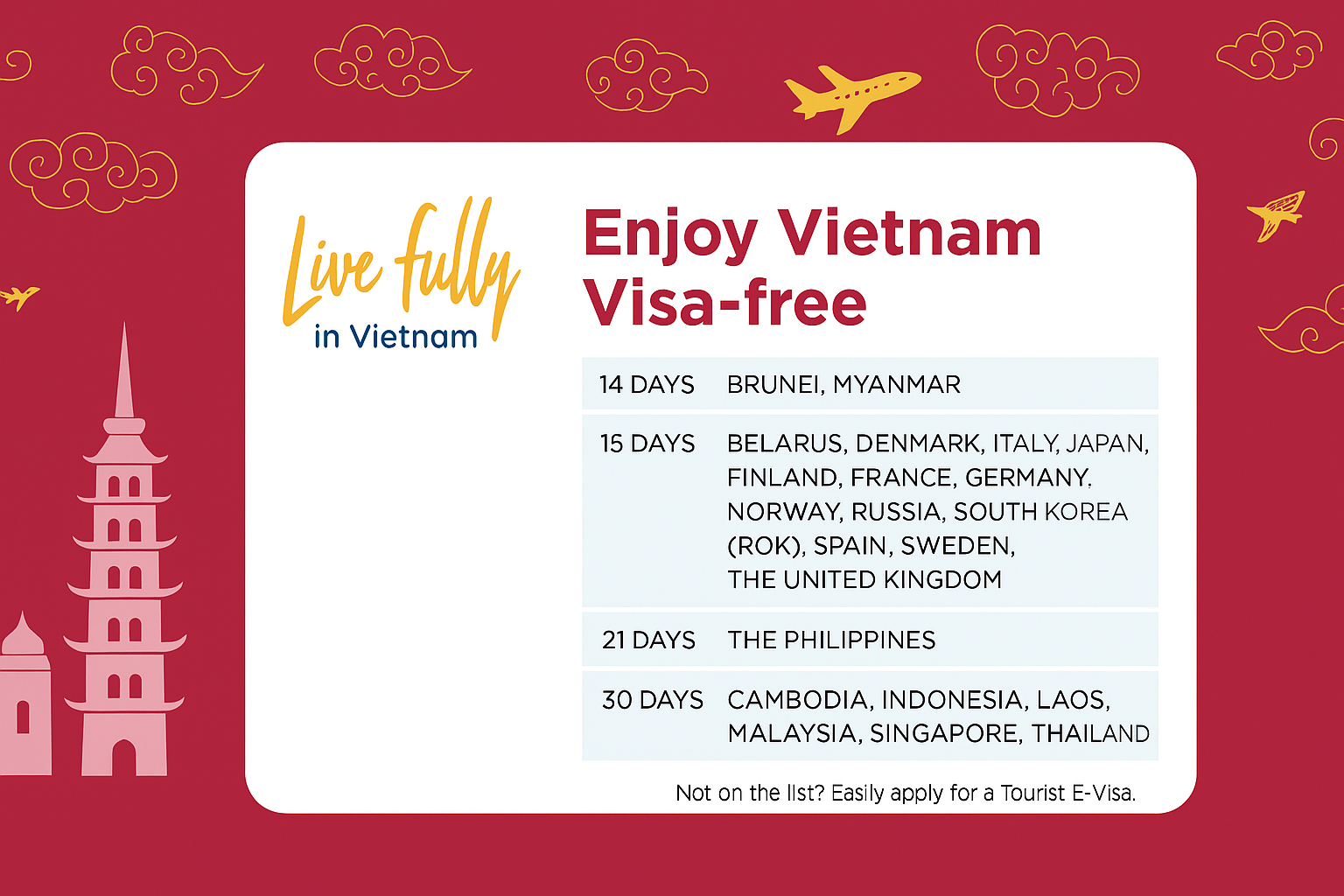
Visa application process and entry requirements for Vietnam in 2025
Currency and Money Matters
The Vietnamese Dong (VND) is the official currency, with current exchange rates approximately 1 USD ~ 24,500 VND. While major cities accept credit cards at hotels and upscale restaurants, cash remains king in Vietnam, especially in rural areas and local markets where traditional ways of life continue.
Local money-saving tips: ATMs are widely available throughout the country, and withdrawing cash is often more cost-effective than currency exchange at airports. Major banks like Vietcombank, BIDV, and Techcombank offer reliable ATM services with English language options.
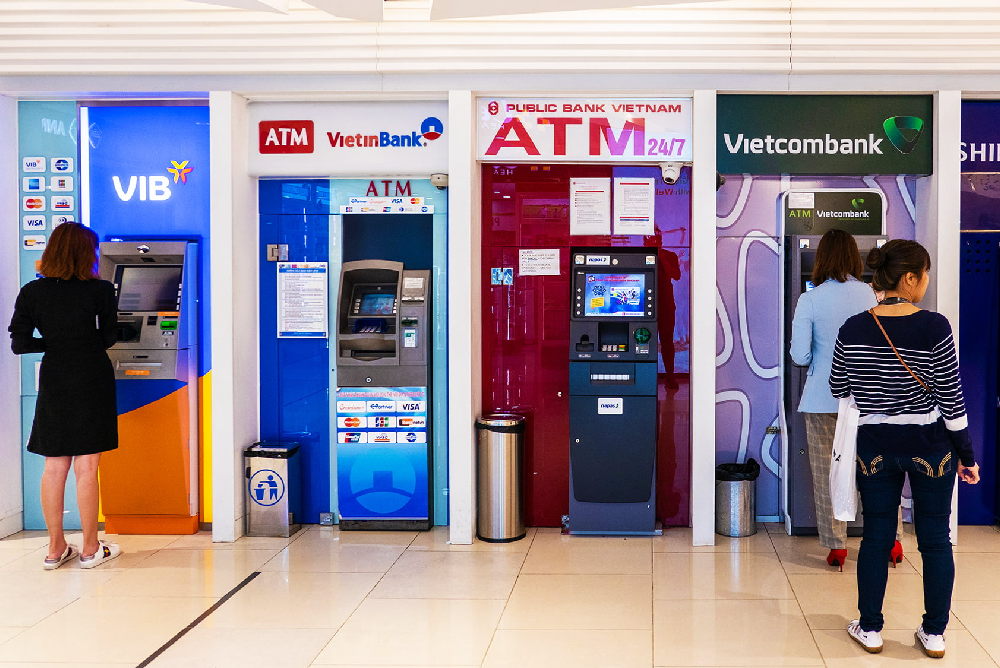
Withdrawing cash from a Vietnamese ATM – convenient and widely available across the country
Getting Around Vietnam
Vietnam's transportation network has improved significantly, offering travelers multiple options for exploration. Domestic flights connect major cities efficiently, with Vietnam Airlines, VietJet Air, and Bamboo Airways serving domestic routes. The North-South railway, though slower, provides a scenic journey through the countryside that we locals love for its nostalgic charm.
Local transportation insights: Motorbikes remain the most popular mode of transport for us locals, while tourists can use Grab (Southeast Asia's ride-hailing app), traditional taxis, or public buses. For intercity travel, comfortable sleeper buses offer an affordable alternative to flights that many Vietnamese families prefer for budget travel.

Traveling on a sleeper bus in Vietnam is an option favored by both domestic and international tourists (Source: Collected)
5. Vietnam Travel Guide: Top Destinations and Must-Visit Places
5.3. Northern Vietnam: Mountains and Heritage
Hanoi - The Timeless Capital
Hanoi, Vietnam's thousand-year-old capital, perfectly blends ancient traditions with modern energy. The Old Quarter's narrow streets, lined with traditional tube houses and bustling markets, offer an authentic glimpse into daily Vietnamese life. Don't miss Hoan Kiem Lake, where we locals practice tai chi at dawn, or the Temple of Literature, Vietnam's first university dating back to 1070.
Cultural highlights from locals: The water puppet theater provides a unique Vietnamese art form that we're proud to share, while the Ho Chi Minh Mausoleum offers insights into the country's modern history. For food lovers, Hanoi's street food scene is legendary - try pho at Pho Thin, bun cha at Bun Cha Huong Lien, or egg coffee at Giang Cafe, all places we locals frequent.
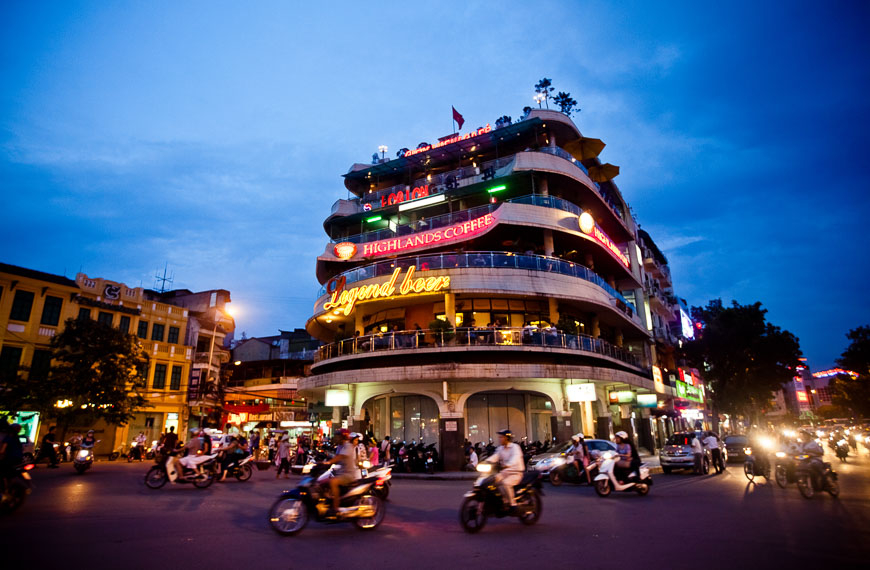
Hanoi's Old Quarter at sunset – a blend of tradition and modern life
Ha Long Bay - Natural Wonder
Ha Long Bay, a UNESCO World Heritage Site, features over 1,600 limestone islands rising dramatically from emerald waters. While the bay can be crowded, GrandViet Tour offers exclusive access to less-visited areas and luxury cruise experiences that provide intimate encounters with this natural wonder that fills Vietnamese hearts with pride.
Local experiences we recommend: Kayaking through hidden caves, visiting floating fishing villages where fishing communities live, and watching spectacular sunsets from the deck of a traditional junk boat. Consider extending your stay to explore nearby Lan Ha Bay, which offers similar beauty with fewer crowds - a secret we locals love to share.
.png)
Ha Long Bay's iconic limestone karsts and emerald waters – a UNESCO World Heritage Site and a must-see for every visitor to Vietnam
Sapa - Mountain Majesty
Sapa, nestled in the Hoang Lien Son mountain range, offers breathtaking landscapes and rich cultural experiences with ethnic minority communities. The terraced rice fields, especially during the harvest season, create a photographer's paradise that showcases Vietnam's agricultural heritage.
Local adventure opportunities: Trekking through ethnic villages where Hmong, Dao, and Tay communities live, homestay experiences with local families, and conquering Fansipan, Indochina's highest peak. The best time to visit is from March to May or September to November when the weather is clear and the landscapes are most vibrant - as we locals know from regular visits.

Sapa's terraced rice fields and mountain vistas
5.2. Central Vietnam: Culture and Coastline
Da Nang - Modern Coastal City
Da Nang has emerged as Vietnam's most livable city, combining pristine beaches with modern infrastructure. My Khe Beach, consistently ranked among Asia's best beaches, offers perfect conditions for surfing and water sports that we locals enjoy year-round. The city serves as an excellent base for exploring nearby attractions.
Local must-visit sites: The Marble Mountains, home to Buddhist pagodas and caves that hold spiritual significance for Vietnamese people, and the iconic Dragon Bridge, which breathes fire and water every weekend evening - a spectacle that fills locals with pride. For panoramic city views, take the cable car to Ba Na Hills, home to the famous Golden Bridge that has become a symbol of Vietnam's architectural innovation.
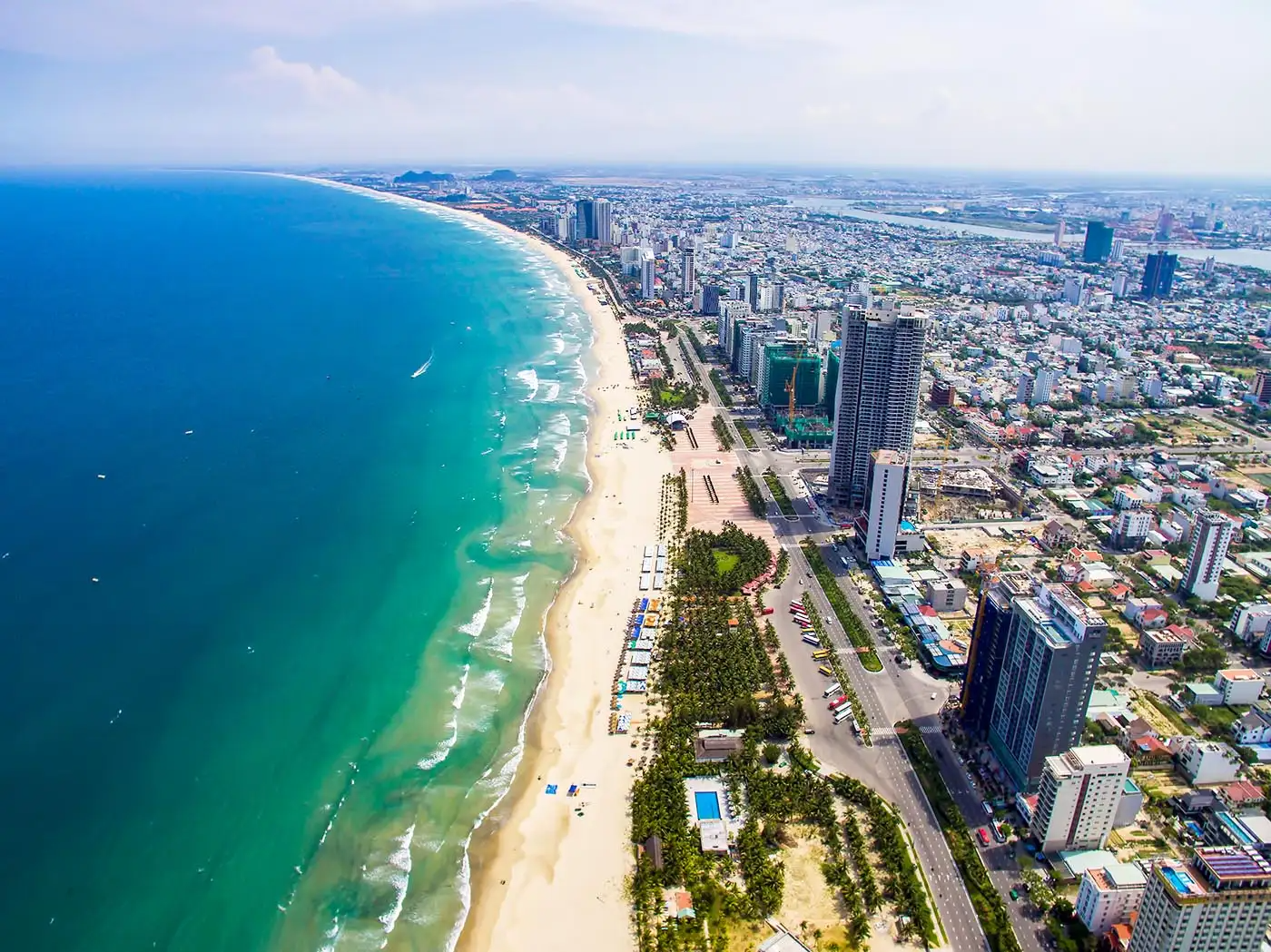
Da Nang's stunning coastline with My Khe Beach and the modern city skyline in the background. The Marble Mountains and the iconic Golden Bridge are must-see highlights for every visitor to Central Vietnam.
Hoi An - Ancient Trading Port
Hoi An, a UNESCO World Heritage Site, preserves its 15th-century trading port atmosphere with remarkable authenticity. The Ancient Town's lantern-lit streets, traditional architecture, and fusion cuisine create an enchanting atmosphere that transports visitors back in time to when Vietnamese ancestors traded with merchants from around the world.
Local cultural experiences: Participate in lantern-making workshops, take a cooking class to learn Vietnamese cuisine secrets that have been passed down through generations, or have custom clothing tailored by skilled local artisans. The monthly Full Moon Lantern Festival transforms the town into a magical wonderland that celebrates Vietnamese cultural heritage.
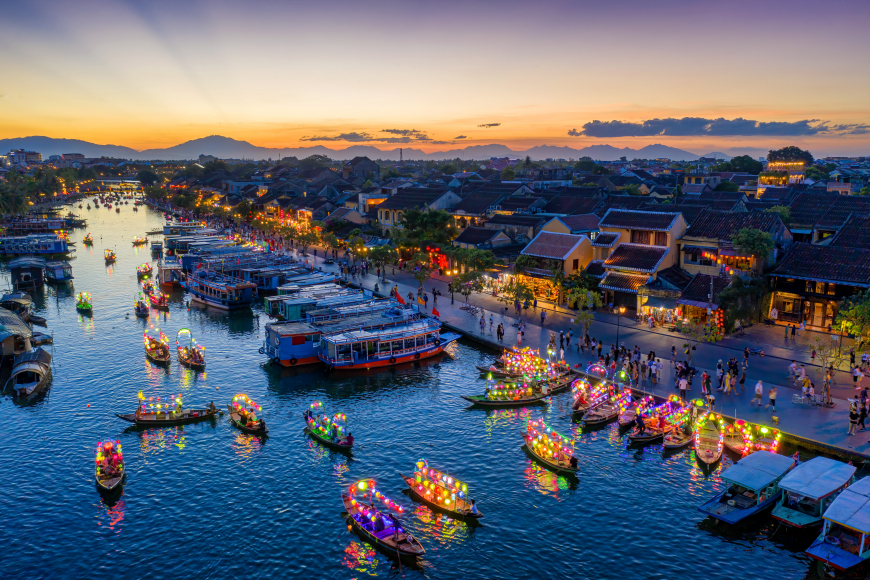
Hoi An's lantern-lit streets and historic architecture – a UNESCO World Heritage treasure in Central Vietnam
Hue - Imperial Grandeur
Hue, Vietnam's former imperial capital, showcases the country's royal heritage through its magnificent citadel and royal tombs. The Imperial City, modeled after Beijing's Forbidden City, houses palaces, temples, and gardens that reflect the Nguyen Dynasty's power and sophistication that Vietnamese people are proud to preserve.
Local historical exploration: Visit the elaborate tombs of emperors like Khai Dinh and Minh Mang, each reflecting different architectural styles and personal philosophies. Don't miss the Thien Mu Pagoda, whose seven-story tower has become Hue's symbol and holds deep spiritual meaning for the local community.

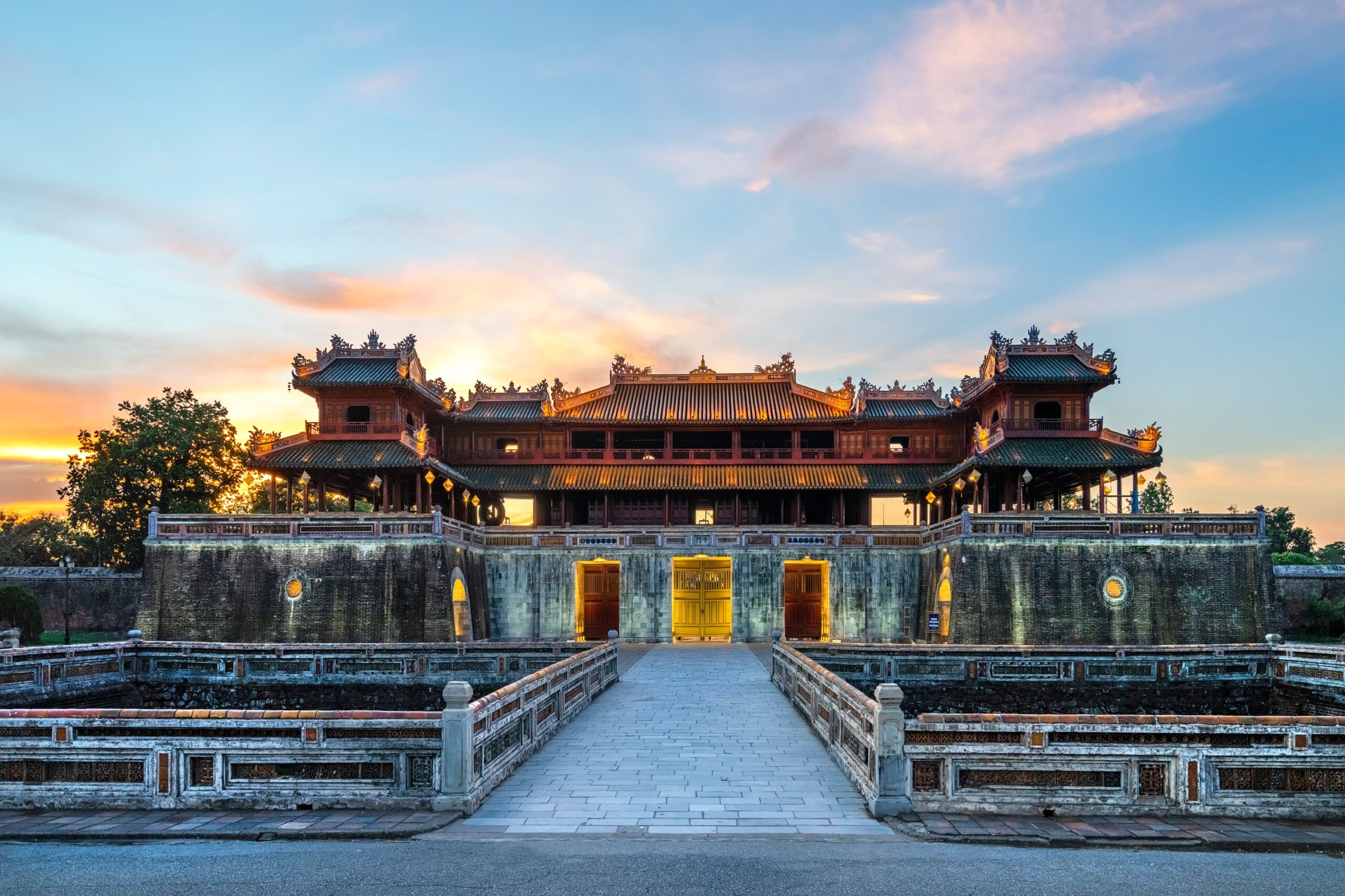
Hue's Imperial City – a testament to Vietnam's royal heritage and cultural depth
5.1. Southern Vietnam: Islands and Delta
Ho Chi Minh City - Dynamic Metropolis
Ho Chi Minh City, formerly Saigon, pulses with energy and innovation while preserving its historical charm. The city's French colonial architecture, bustling markets, and vibrant street life create an intoxicating urban experience that showcases Vietnamese entrepreneurial spirit.
Local urban exploration: Visit the War Remnants Museum for historical perspective, explore the Cu Chi Tunnels to understand Vietnam's resilience, and experience the city's legendary nightlife in District 1. For authentic local experiences, join street food tours or visit the floating markets of the Mekong Delta where traditional ways of life continue.
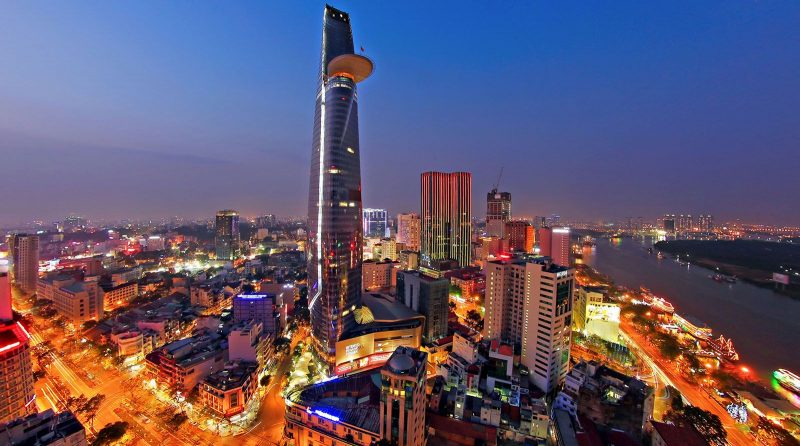
Ho Chi Minh City's dynamic skyline and bustling streets – a blend of modern energy and historical charm
Phu Quoc - Island Paradise
Phu Quoc, Vietnam's largest island, offers pristine beaches, crystal-clear waters, and a relaxed island atmosphere. The island's development has been carefully managed to preserve its natural beauty while providing modern amenities that locals appreciate.
Local beach experiences: Long Beach offers perfect swimming conditions, while Sao Beach's white sand and turquoise waters create postcard-perfect scenery. Explore the island's interior to discover pepper farms, fish sauce factories, and the Phu Quoc National Park's diverse ecosystems that Vietnamese people are committed to protecting.
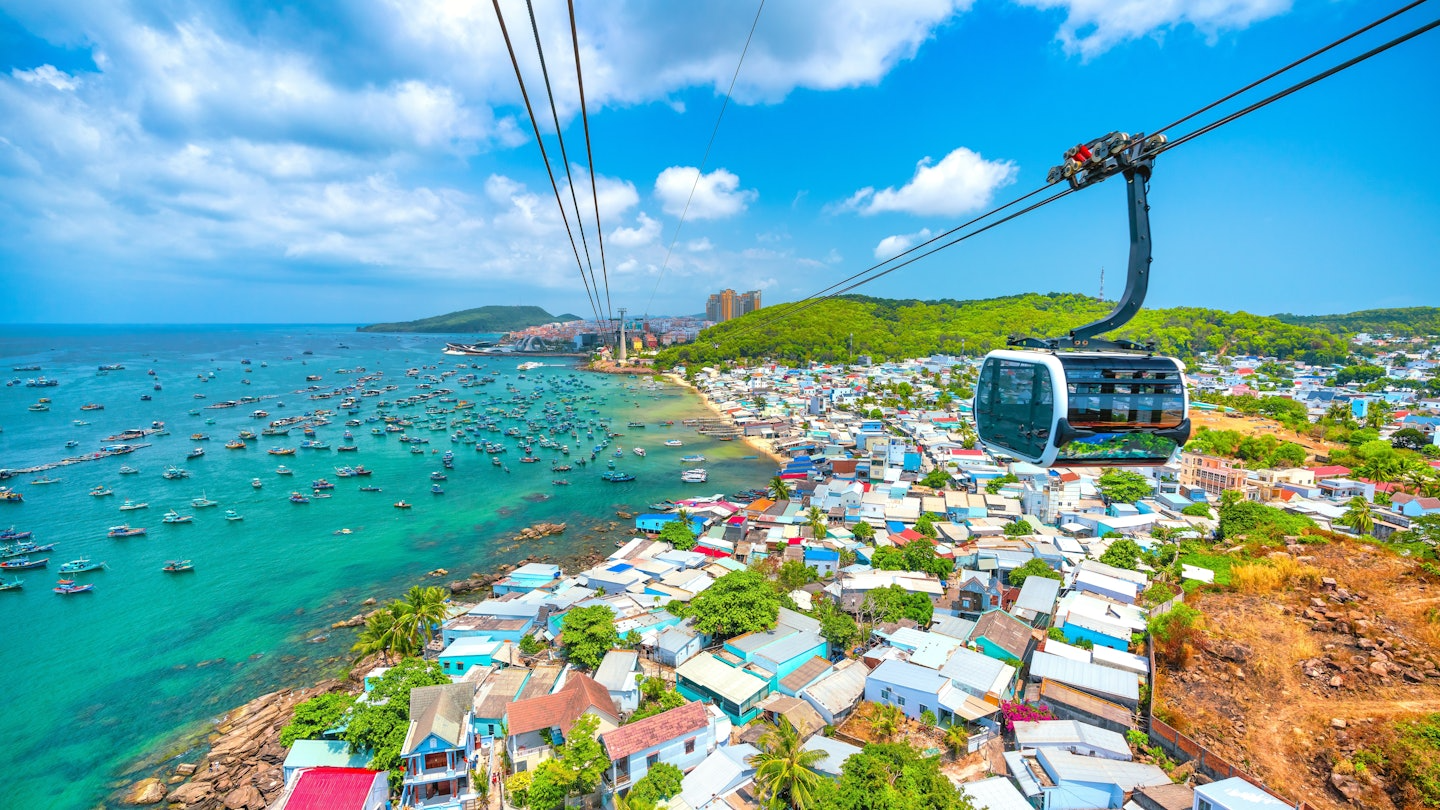
Phu Quoc Island – Vietnam's tropical paradise with white sand beaches, crystal-clear waters, and lush natural landscapes. A must-visit destination for relaxation and adventure in southern Vietnam.
Mekong Delta - River Life
The Mekong Delta, Vietnam's "rice bowl," showcases a unique way of life centered around water that has sustained Vietnamese communities for generations. Floating markets, traditional villages, and lush orchards create a peaceful contrast to the country's urban centers.
Local delta adventures: Take a boat trip through narrow canals, visit floating markets like Cai Rang where local farmers trade, and experience homestays in traditional stilt houses. The delta's cuisine, featuring fresh seafood and tropical fruits, offers a delicious introduction to southern Vietnamese flavors that locals are proud to share.

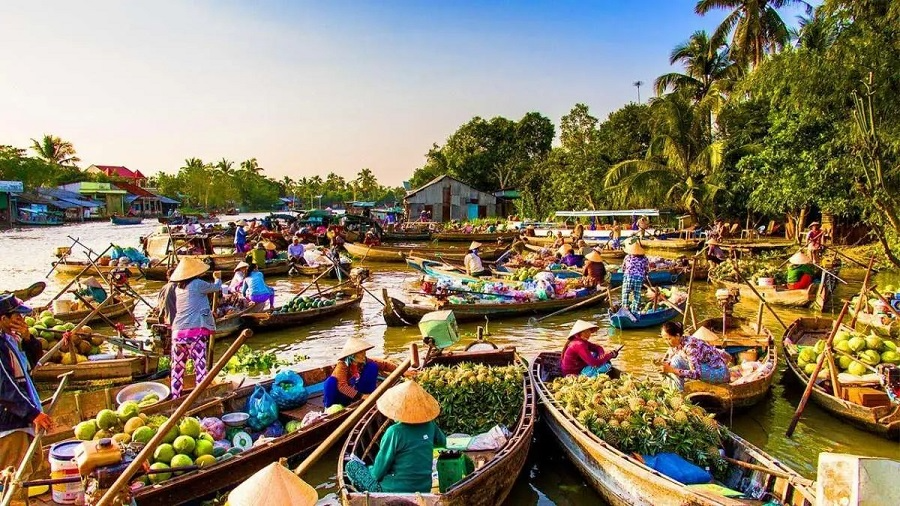
Mekong Delta – Experience the vibrant floating markets, lush waterways, and authentic river life that define southern Vietnam's unique charm.
6. Vietnam Travel Guide: Top Things to Do and Activities
Vietnam offers an incredible array of activities and experiences that cater to every type of traveler. This Vietnam travel guide section highlights the best things to do across the country. From adventure seekers to culture enthusiasts, from nature lovers to foodies, there's something for everyone in this diverse country.
6.1. Conquer Majestic Mountains
Vietnam's mountainous regions offer some of Southeast Asia's most spectacular trekking and adventure opportunities. Sapa in the north provides challenging hikes through terraced rice fields and ethnic minority villages, while the Central Highlands offer coffee plantation tours and waterfall exploration.
Must-try experiences: Trekking to Fansipan Peak (Indochina's highest), exploring the Hoang Lien Son mountain range, visiting ethnic minority villages, and experiencing homestays in traditional stilt houses.

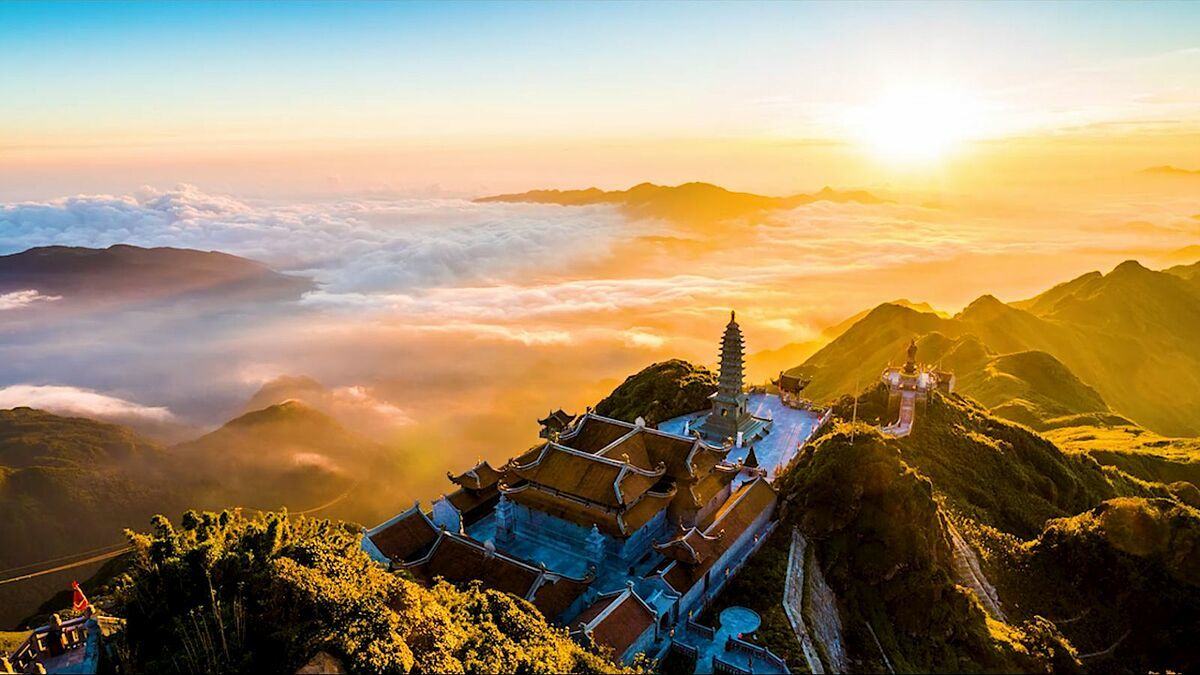
Fansipan Peak – Conquer the highest mountain in Indochina for breathtaking views and unforgettable adventure in Vietnam's northern highlands.
6.2. Explore Enchanting Caves
Vietnam is home to some of the world's most impressive cave systems. Ha Long Bay's limestone karsts hide numerous caves and grottoes, while the Phong Nha-Ke Bang National Park features the world's largest cave, Son Doong.
Top cave experiences: Kayaking through Ha Long Bay caves, exploring Paradise Cave and Phong Nha Cave, and taking boat trips through the underground river systems.
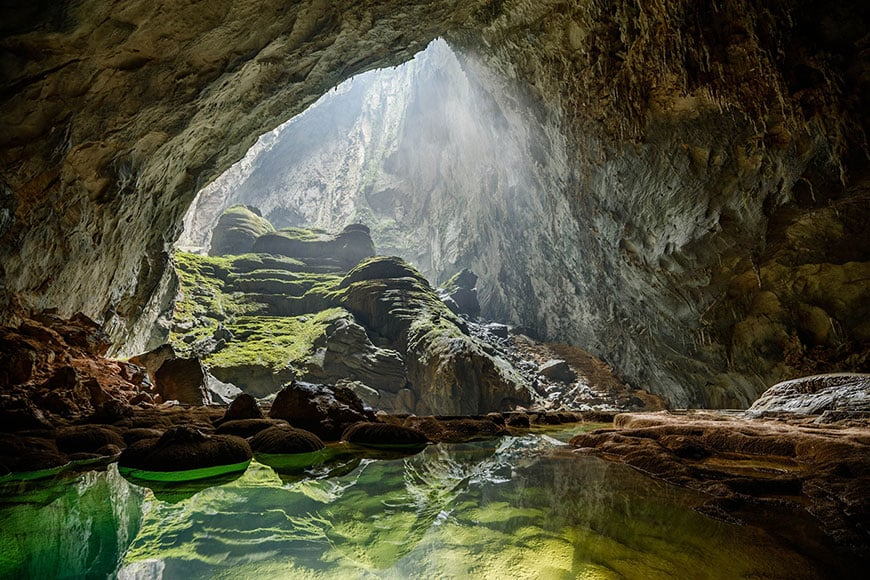
Son Doong Cave – Explore the awe-inspiring chambers and unique ecosystem of the world's largest cave, a true natural wonder of Vietnam.
6.3. Discover the Charm of the Countryside
Vietnam's rural areas offer authentic cultural experiences away from the tourist crowds. The Mekong Delta showcases traditional river life, while the northern highlands reveal traditional farming methods and ethnic cultures.
Countryside highlights: Floating market visits, traditional craft village tours, agricultural experiences, and peaceful cycling through rural landscapes.
6.4. Unwind at VinWonders and Vinpearl Safari
For family entertainment and modern attractions, Vietnam's theme parks offer world-class experiences. VinWonders provides thrilling rides and entertainment, while Vinpearl Safari offers wildlife encounters and conservation education.
Entertainment options: Amusement park rides, water parks, wildlife safaris, cultural shows, and family-friendly activities suitable for all ages.
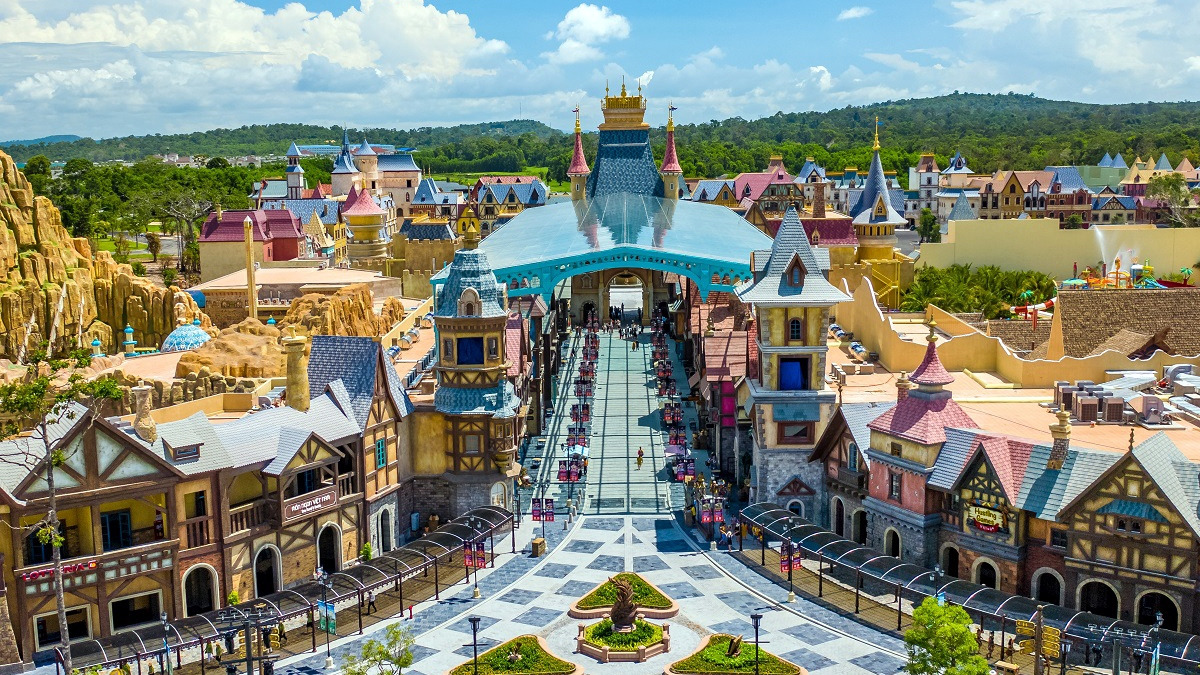
VinWonders – Enjoy world-class entertainment, thrilling rides, and unforgettable wildlife experiences for the whole family in Vietnam's top theme parks.
7. Vietnam Travel Guide: Culture, Traditions and Local Life
Ethnic Diversity and Heritage
Vietnam is home to 54 ethnic groups, each contributing to the country's rich cultural tapestry. This Vietnam travel guide section explores the cultural diversity that makes Vietnam unique. The Kinh (Vietnamese) majority, comprising 86% of the population, lives primarily in lowland areas, while ethnic minorities inhabit the mountainous regions, each maintaining distinct traditions, languages, and customs.
Cultural preservation: Many ethnic groups, such as the Hmong, Dao, and Tay in the north, continue traditional practices including weaving, silverwork, and agricultural methods passed down through generations. Visiting these communities through responsible tourism helps preserve their heritage while providing authentic cultural experiences.
Traditional Festivals and Celebrations
Vietnamese festivals reflect the country's agricultural heritage and spiritual beliefs. Tet Nguyen Dan (Lunar New Year), the most important celebration, brings families together for feasting, ancestor worship, and traditional games. The Mid-Autumn Festival, celebrated with lantern parades and mooncakes, creates magical evenings for children and adults alike.
Festival participation: Many festivals are open to visitors, offering opportunities to experience Vietnamese culture firsthand. The Hue Festival, held biennially, showcases traditional arts, music, and dance from across the country and region.
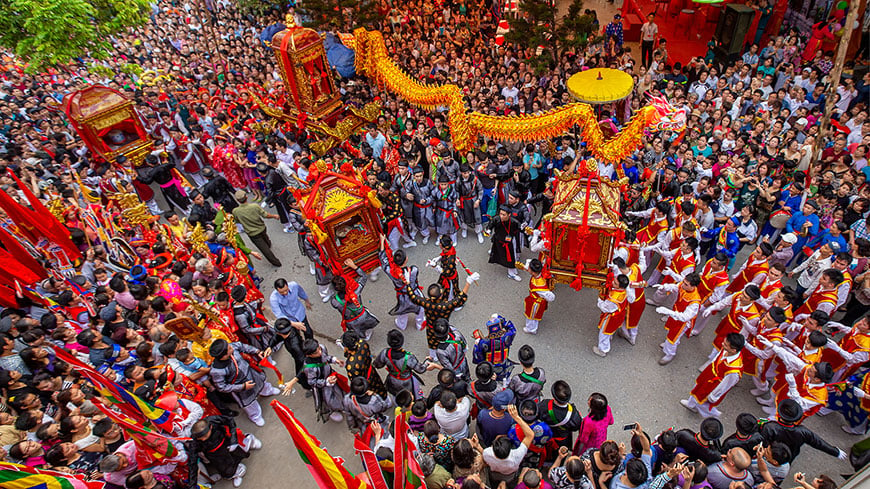
Traditional Vietnamese festivals – Experience the magic of Tet, Mid-Autumn Festival, and local celebrations filled with color, music, and community spirit.
Vietnamese Cuisine: A Culinary Journey
Vietnamese cuisine, renowned worldwide for its balance of flavors and fresh ingredients, reflects the country's geography and history. From the pho of the north to the banh xeo of the center and the hu tieu of the south, each region offers distinct culinary specialties.
Must-try dishes: Pho (rice noodle soup), banh mi (Vietnamese sandwich), fresh spring rolls, and various regional specialties like bun bo Hue (spicy beef noodle soup) and cao lau (Hoi An's signature noodle dish). Vietnamese coffee, served with sweetened condensed milk, has become a global favorite.
Dining etiquette: Vietnamese meals are communal experiences, with dishes shared among diners. Using chopsticks correctly and showing appreciation for the food demonstrates respect for Vietnamese culture.
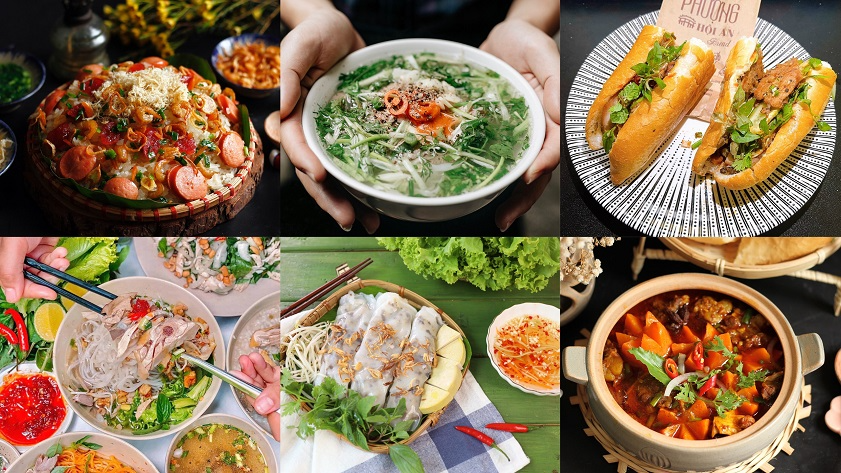
Vietnamese cuisine – Savor the vibrant flavors and regional specialties that make Vietnam a culinary destination, from iconic pho to delicious street food delights.
8. Vietnam Travel Guide: Practical Tips and Travel Advice
Health and Safety
Vietnam is generally a safe country for travelers, with low crime rates and friendly locals. This Vietnam travel guide section provides essential safety tips for your journey. However, taking basic precautions ensures a trouble-free journey. Drink bottled or boiled water, avoid raw vegetables that haven't been properly washed, and use mosquito protection in rural areas.
Medical considerations: Major cities have international-standard hospitals, while rural areas may have limited medical facilities. Travel insurance is recommended, and carrying basic medications for common ailments is wise. Vaccinations for hepatitis A, typhoid, and tetanus are recommended before travel.
Communication and Language
While English is increasingly spoken in tourist areas, learning basic Vietnamese phrases enhances your travel experience and shows respect for local culture. Simple greetings like "Xin chao" (hello) and "Cam on" (thank you) go a long way in building connections with locals.
Language apps: Download offline translation apps and phrasebooks to help with communication in remote areas. Many Vietnamese people appreciate visitors' efforts to speak their language, even if pronunciation isn't perfect.
Shopping and Bargaining
Vietnam offers excellent shopping opportunities, from traditional handicrafts to modern fashion. Markets are the best places to find authentic souvenirs, while shopping malls provide air-conditioned comfort and fixed prices.
Bargaining tips: Bargaining is expected in markets and with street vendors, but should be done respectfully and with a smile. Understanding that small amounts can make significant differences to local vendors helps maintain perspective during negotiations.
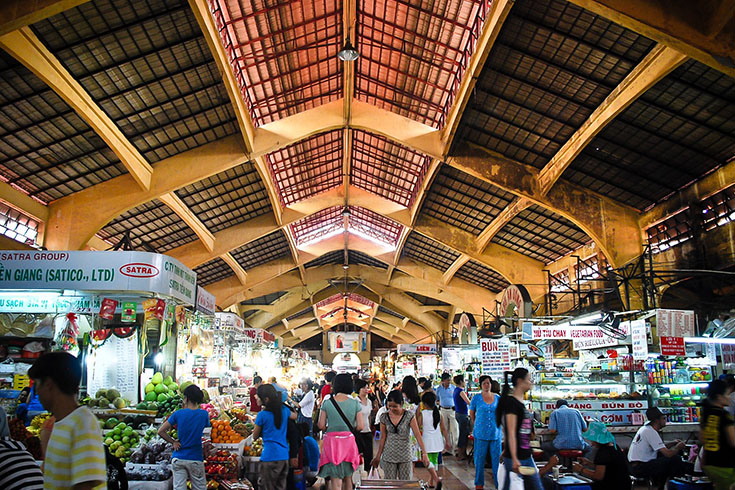
Vietnamese markets and shopping experiences
9. Vietnam Travel Guide: GrandViet Tour - Your Trusted Travel Partner
Why Choose GrandViet Tour?
GrandViet Tour stands as Vietnam's premier inbound tour operator, specializing in customized experiences that go beyond typical tourist itineraries. Our deep local knowledge, established relationships with communities, and commitment to sustainable tourism ensure authentic and meaningful travel experiences.
Our expertise: With over 20 years of experience, we've crafted thousands of successful journeys across Vietnam and Southeast Asia. Our team of local experts, multilingual guides, and dedicated support staff work tirelessly to exceed your expectations.
GrandViet Tour's Achievements and Recognition
As one of Vietnam's leading travel companies, GrandViet Tour has achieved numerous prestigious awards and recognitions that demonstrate our commitment to excellence:
Industry Recognition:
-
Top 5 Travel Companies for welcoming Thai tourists consecutively in 2007, 2008, and 2009
-
"Quality Tourism Service" Award in 2013 for outstanding service standards
-
ASEAN Tourist Reception Champion for three consecutive years (2017, 2018, 2019) awarded by Vietnam Tourism Association (VITA)
Professional Memberships:
-
Founding Member of VietWorld Holidays group, comprising young, dynamic businesses in outbound and domestic tourism
-
Member of Pacific Asia Travel Association (PATA) - one of the world's most prestigious travel associations
-
Member of Vietnam Tourism Association (VITA)
-
Member of UNESCO Hanoi Tourism Association
-
Member of Thailand Road Tourism Reception Club - Vietnam National Administration of Tourism

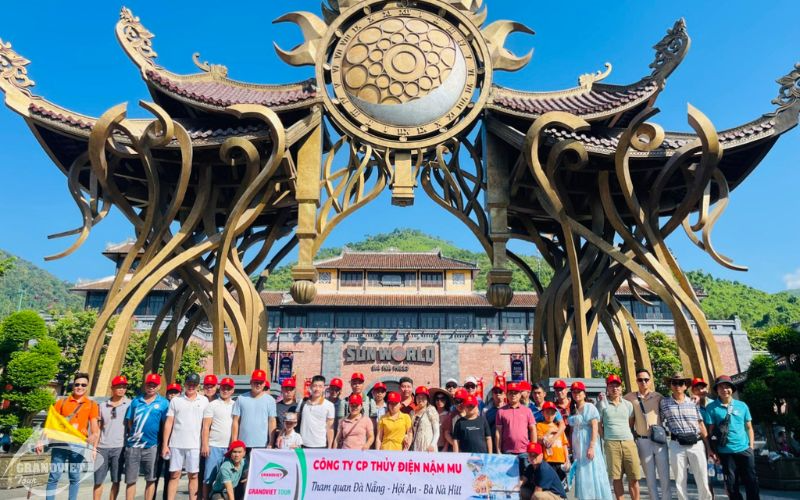
GrandViet Tour – Your trusted partner for unforgettable journeys across Vietnam, offering expert guidance and personalized service
Customized Package Tours
GrandViet Tour offers a comprehensive range of package tours designed to suit every traveler's preferences and budget. From luxury Halong Bay cruises to adventure treks in the northern mountains, from cultural immersion experiences to beach relaxation packages, we create itineraries that match your dreams.
Tour highlights: Our packages include carefully selected accommodations, expert local guides, authentic cultural experiences, and seamless logistics. Whether you're a solo adventurer, a couple seeking romance, or a family creating memories, we have the perfect tour for you.
Luxury and Comfort
We understand that luxury means different things to different travelers. Our luxury packages feature premium accommodations, private transportation, exclusive access to attractions, and personalized service that ensures your comfort and satisfaction throughout your journey.
Quality guarantee: Our commitment to excellence includes 24/7 on-spot support, competitive pricing, and a money-back guarantee. We believe that exceptional service should be accessible to all travelers, regardless of their budget.
10. Vietnam Travel Guide: Planning Your Perfect Adventure
Budget Considerations
Vietnam offers excellent value for money, making it accessible to travelers with various budgets. This Vietnam travel guide section helps you plan your budget effectively. Budget travelers can enjoy comfortable accommodation, delicious meals, and meaningful experiences for $30-50 per day, while luxury travelers can indulge in five-star experiences for $200-400 per day.
Cost-saving strategies: Traveling during shoulder seasons, using local transportation, and staying in family-run guesthouses can significantly reduce costs while enhancing authenticity. GrandViet Tour's package tours often provide better value than booking components separately.
Accommodation Options
Vietnam's accommodation scene has evolved dramatically, offering options from budget hostels to luxury resorts. Homestays provide authentic cultural experiences, while boutique hotels offer character and charm. International chains ensure familiar comfort for those who prefer it.
Booking advice: Advance booking is recommended during peak seasons (December-April and July-August). GrandViet Tour's local knowledge ensures you stay in accommodations that match your preferences and provide authentic experiences.
Transportation Planning
Efficient transportation planning maximizes your time in Vietnam. Domestic flights save time for long-distance travel, while overnight trains and buses offer cost-effective options with the bonus of scenic views. For shorter distances, private transfers provide comfort and flexibility.
Route optimization: GrandViet Tour's expertise helps create efficient itineraries that minimize travel time and maximize experiences. Our local knowledge ensures you avoid common tourist traps and discover hidden gems.
11. Vietnam Travel Guide: Sustainable Tourism and Responsible Travel
Supporting Local Communities
Responsible tourism in Vietnam means supporting local communities and preserving cultural heritage. This Vietnam travel guide emphasizes sustainable travel practices. Choosing locally-owned accommodations, dining at family restaurants, and purchasing handicrafts directly from artisans ensures your tourism dollars benefit local people.
Community engagement: GrandViet Tour works closely with local communities to create authentic experiences that respect traditions and provide economic benefits. Our community-based tourism initiatives support sustainable development while offering visitors unique insights into Vietnamese life.
Environmental Conservation
Vietnam's natural beauty faces challenges from development and climate change. Supporting eco-friendly accommodations, using reusable water bottles, and choosing responsible tour operators helps minimize environmental impact.
Conservation efforts: Many of our tour packages include visits to protected areas and national parks, with entrance fees supporting conservation efforts. We educate visitors about responsible behavior in natural areas and support local conservation initiatives.
Cultural Respect
Respecting Vietnamese culture and customs enhances your travel experience and shows appreciation for your hosts. Dressing modestly when visiting religious sites, asking permission before taking photos of people, and learning about local customs demonstrates cultural sensitivity.
Cultural learning: GrandViet Tour's guides provide cultural context and help visitors understand local customs and traditions. This knowledge enhances appreciation for Vietnam's rich cultural heritage and ensures respectful interactions.
12. Vietnam Travel Guide: Conclusion and Next Steps
Vietnam offers an unparalleled travel experience that combines natural beauty, rich culture, fascinating history, and warm hospitality. This comprehensive Vietnam travel guide has provided you with essential information to plan your perfect journey through this remarkable country.
From the misty mountains of the north to the tropical islands of the south, from ancient temples to modern cities, Vietnam's diversity ensures every traveler finds their perfect experience. The country's accessibility, affordability, and authenticity make it an ideal destination for first-time visitors and seasoned travelers alike.
As you plan your Vietnamese adventure, remember that GrandViet Tour stands ready to transform your dreams into reality. Our expertise, local knowledge, and commitment to excellence ensure that your Vietnam experience will be nothing short of extraordinary. Whether you seek cultural immersion, adventure, relaxation, or luxury, we have the perfect package tour waiting for you.
Ready to explore Vietnam? Contact GrandViet Tour today to discover our exclusive package tours and begin planning the journey of a lifetime. Let us show you the real Vietnam - authentic, beautiful, and unforgettable.
13. Vietnam Travel Guide: Frequently Asked Questions (FAQ)
Q: What is the best time to visit Vietnam? A: The best time to visit Vietnam is from February to April and September to November, when the weather is pleasant across most regions. However, each season offers unique experiences, and Vietnam's diverse climate means there's always a good time to visit different parts of the country.
Q: Do I need a visa to visit Vietnam? A: Citizens from 26 countries enjoy visa exemption, with stays ranging from 14 to 90 days. For others, e-visas are available online for $25 (single entry) or $50 (multiple entries), typically processed in 3-5 business days.
Q: Is Vietnam safe for tourists? A: Vietnam is generally very safe for tourists, with low crime rates and friendly locals. Taking basic precautions like using common sense, avoiding isolated areas at night, and being aware of your surroundings ensures a trouble-free visit.
Q: What currency should I use in Vietnam? A: The Vietnamese Dong (VND) is the official currency. While major cities accept credit cards at upscale establishments, cash is preferred, especially in rural areas and local markets. ATMs are widely available throughout the country.
Q: How should I get around Vietnam? A: Vietnam offers multiple transportation options including domestic flights, trains, buses, and private transfers. For long distances, flights are most efficient, while trains offer scenic journeys. Local transportation includes taxis, Grab rides, and public buses.
Q: What should I pack for Vietnam? A: Pack lightweight, breathable clothing suitable for tropical weather, comfortable walking shoes, insect repellent, sunscreen, and any necessary medications. If visiting during the rainy season (May-October), include a lightweight rain jacket or umbrella.
Other articles


© GrandViet Tour Co., Ltd. - International Tour Operator Licence 01-217/TCDL-GPLHQT.
Copyright © 2006 - 2020. All Rights Reserved.