

Travel Guide
What to Eat in Vietnam: 15 Dishes You Must Try
What to Eat in Vietnam made easy: 15 iconic dishes, regional flavors, ordering tips, prices, and where to try them. Eat smarter with GrandViet Tour’s local know‑how.
1. Introduction: How to Use This Eating Guide
Vietnam’s cuisine is fresh, balanced, and hyper‑regional. This guide shows you exactly What to Eat in Vietnam, how to order it, prices to expect, and where to try each dish. Keep breakfasts light, roam markets by midday, and reserve evenings for shared plates.
Simple plan: learn the icons, chase regional variations, and eat where locals eat
2. What to Eat in Vietnam: 15 Must‑Try Dishes
These classics anchor any “What to Eat in Vietnam” checklist. Use our notes and sample price ranges to steer toward the tastiest versions.
2.1. Pho (Hanoi vs Saigon styles)
Clear, delicate Hanoi broth vs herb‑laden Saigon bowls. Beef (bo) or chicken (ga). Add chilies, lime, and herbs to taste.
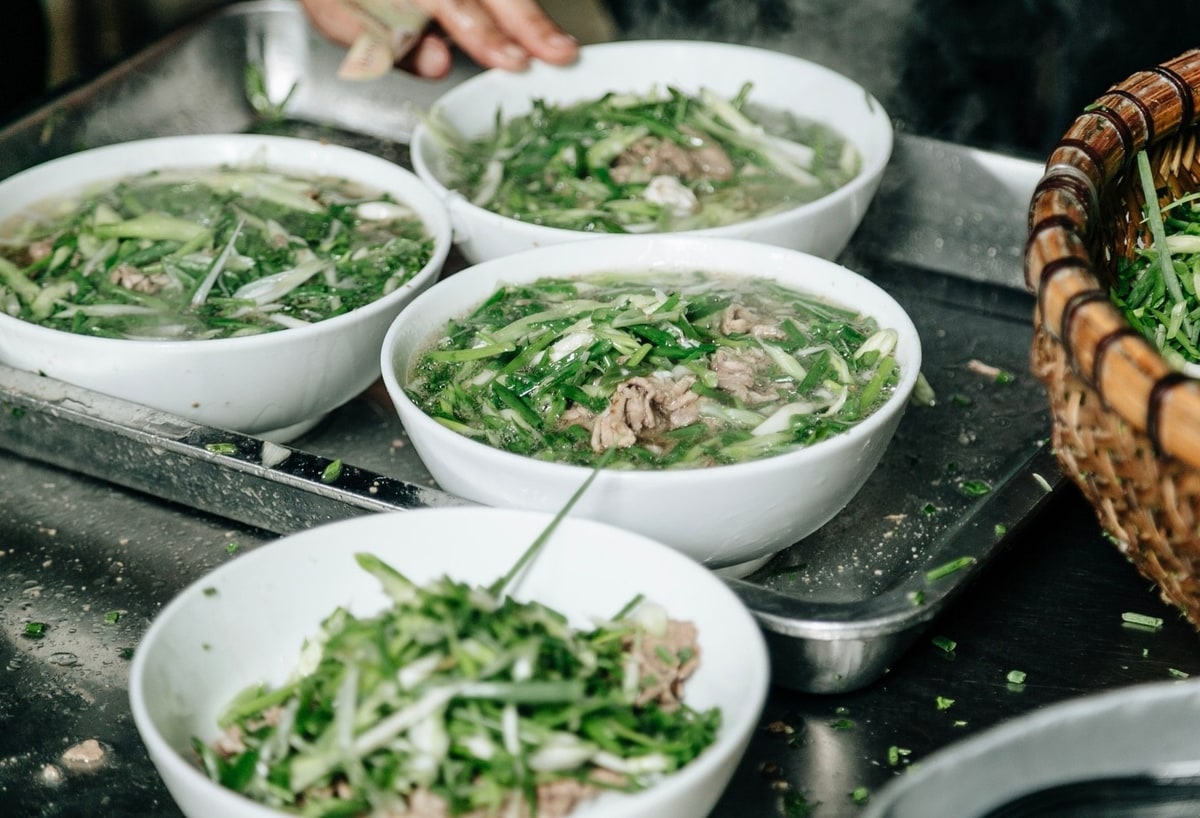
A national staple: lighter in Hanoi, more condiments in the south
2.2. Banh Mi
Crackly baguette with pâté, pickles, herbs, and grilled meats or cold cuts. Hoi An versions are especially famous.
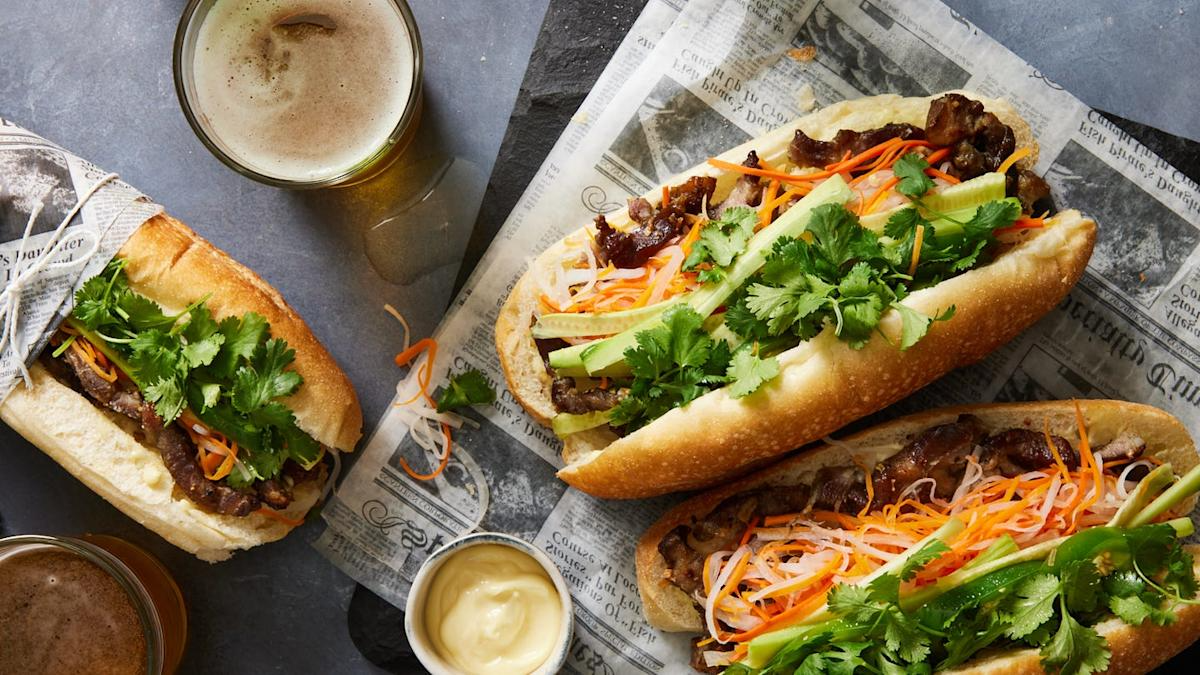
A portable snack—fast, cheap, and wildly customizable
2.3. Bun Cha (Hanoi)
Charcoal‑grilled pork patties and belly slices in a warm dipping broth, served with herbs and vermicelli.
2.4. Bun Bo Hue (Hue)
Spicy lemongrass beef noodle soup from the former imperial capital. Deep, aromatic, and satisfying.
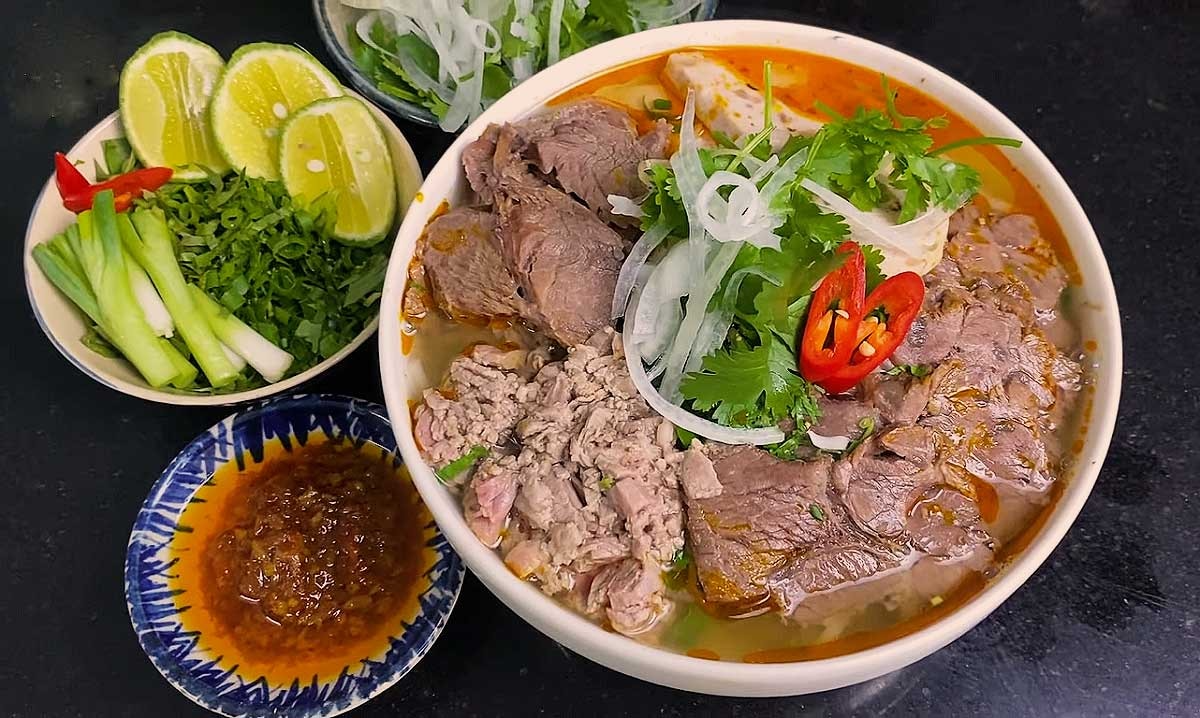
A bold, lemongrass‑forward soup with royal roots
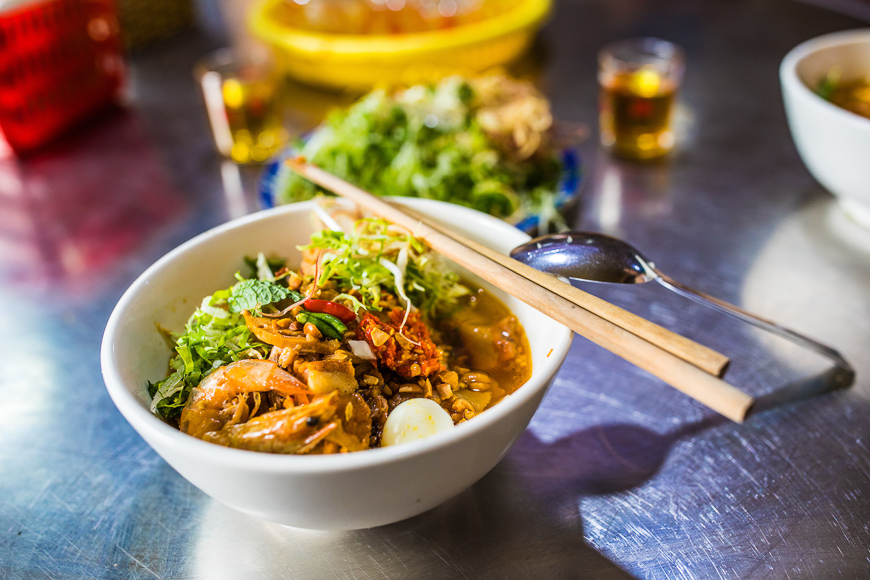
2.5. Mi Quang (Da Nang/Quang Nam)
Turmeric noodles with light broth, herbs, peanuts, and a crunchy rice cracker. Chicken, pork, or seafood. This is one of food you should try to eat when you travel in Danang City.
2.6. Cao Lau (Hoi An)
Chewy noodles, pork, and greens in a uniquely textured broth. A Hoi An specialty with legendary water origins.
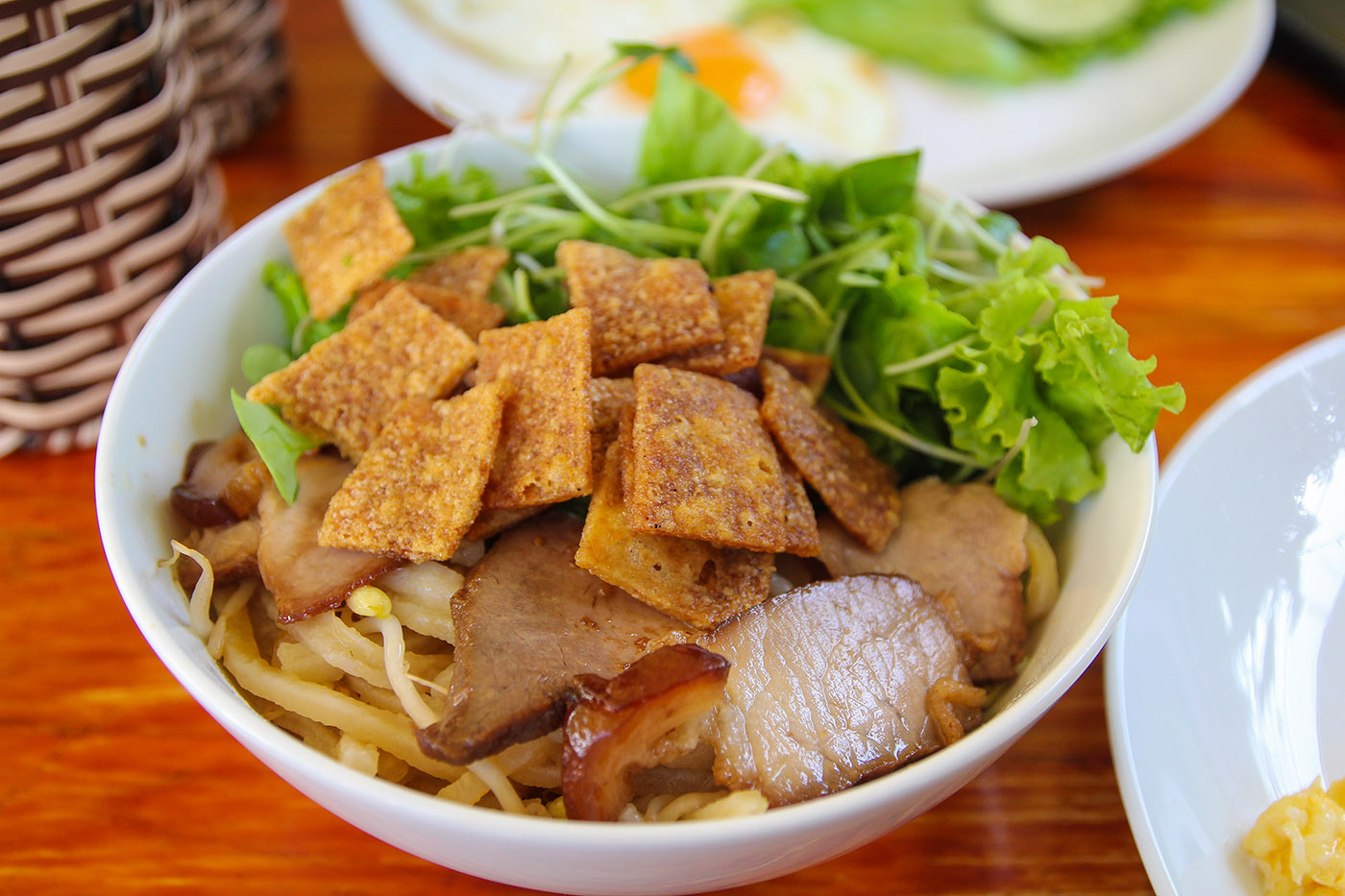
Hoi An’s signature bowl—distinct texture and balanced flavors
2.7. Com Tam (Ho Chi Minh City)
Broken rice with grilled pork, fried egg, pickles, scallion oil, and fish sauce. A southern comfort plate.
2.8. Goi Cuon (Fresh Spring Rolls)
Rice‑paper rolls wrapped with herbs, greens, and shrimp/pork, dipped in hoisin‑peanut or fish‑sauce blends.
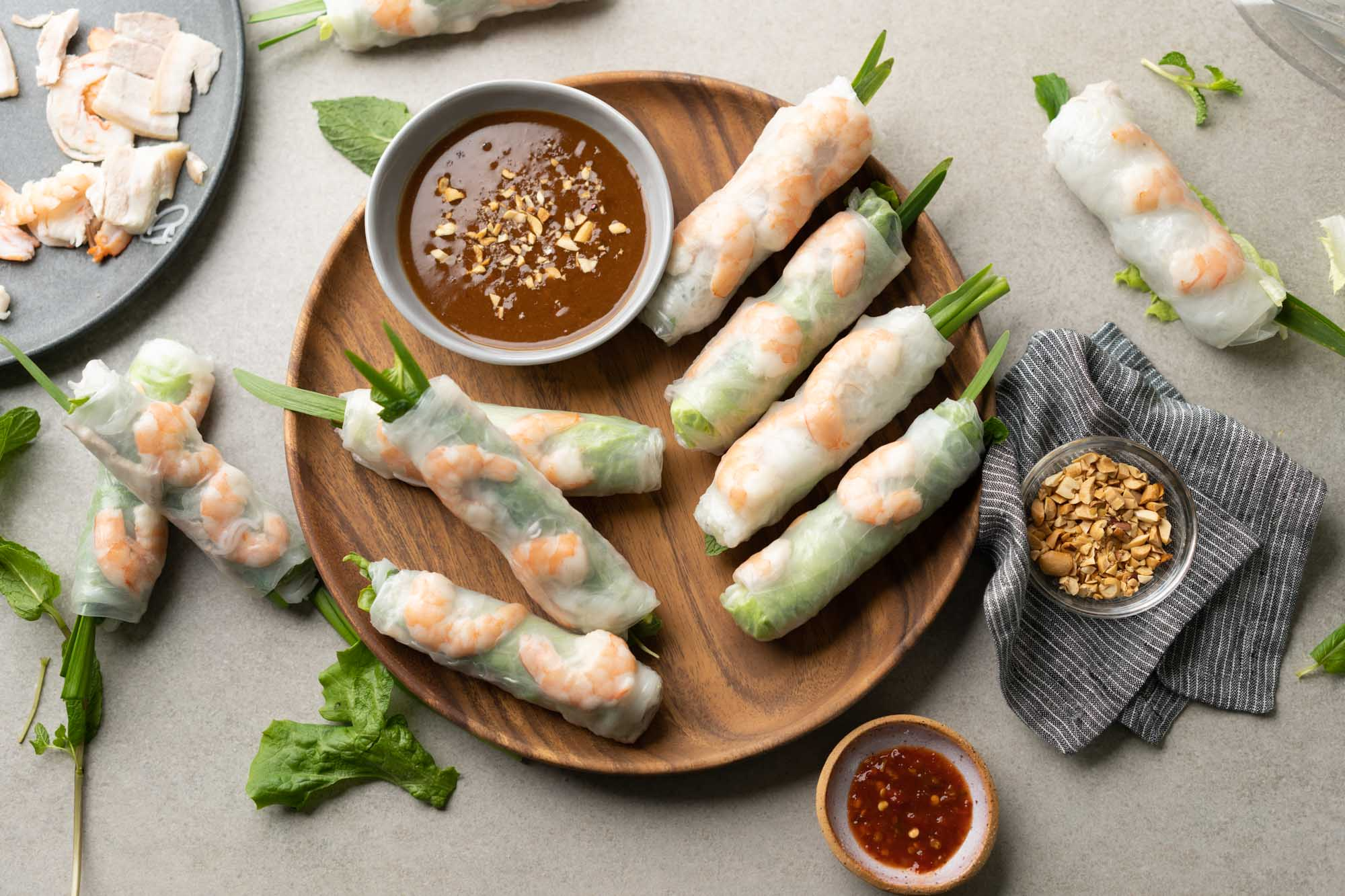
Light, herb‑forward rolls—perfect for hot afternoons
2.9. Cha Ca (Hanoi)
Turmeric‑dill fish sautéed tableside, served with bun (vermicelli), peanuts, and sauce. A Hanoi classic.
2.10. Banh Xeo (Southern/Central)
If you are unsure about what to eat in Vietnam, Granfviet will recommend the dish: Sizzling rice‑flour crepes tinted with turmeric, stuffed with shrimp/pork and bean sprouts, wrapped with herbs.
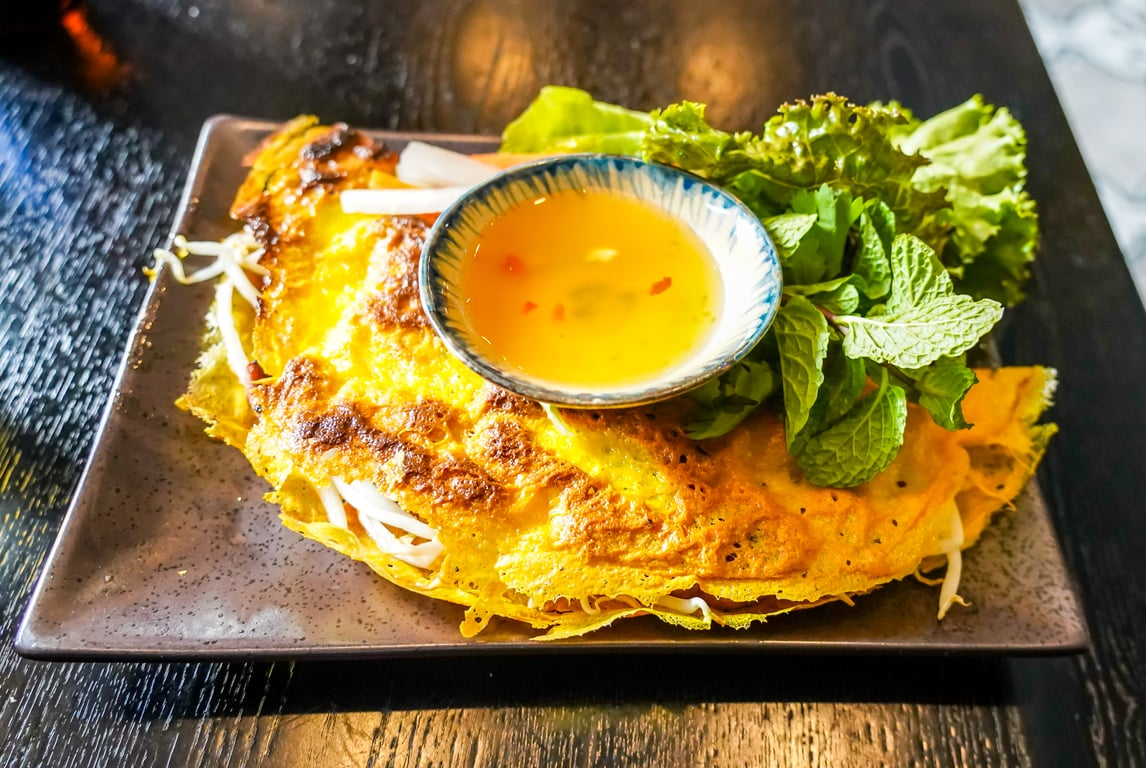
Crisp, crackly crepes—wrap with greens and dip generously
2.11. Banh Cuon (Northern)
Silky steamed rice sheets filled with minced pork and wood‑ear mushrooms, topped with fried shallots.
2.12. Bun Rieu
Tomato‑based noodle soup with crab paste or tofu/mushrooms in vegetarian versions; bright, savory, and aromatic.
2.13. Xoi (Sticky Rice)
Savory or sweet variants for breakfast. Try xoi xeo (mung bean), xoi ga (chicken), or colorful xoi ngu sac.
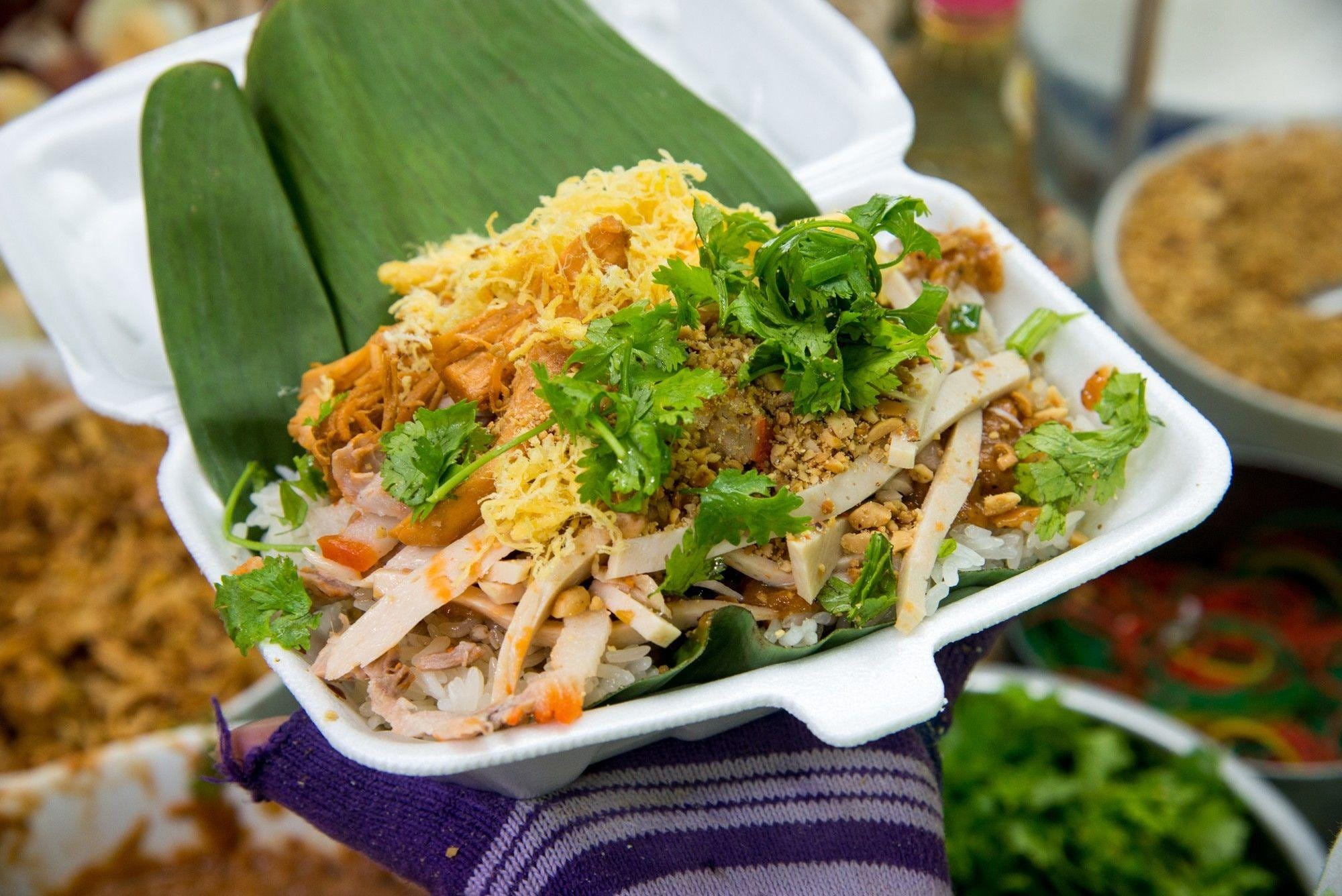
Hearty breakfast fuel in countless regional variations
2.14. Seafood and Snails (Oc) Plates
Grilled clams, cockles, and snails with lemongrass, garlic, and butter; pair with cold beer at night markets.
2.15. Che (Dessert Soups)
Chilled or warm sweets—from three‑color che ba mau to fruit‑and‑bean blends topped with coconut milk.

End on a sweet note—the variety of che rivals the rest of the menu
3. Regional Flavor Map: North, Central, South
-
North: subtle broths, restrained seasoning, dill and black cardamom accents.
-
Central: bold spices, royal snacks, turmeric and chili heat.
-
South: sweeter palate, coconut, abundant herbs and fruit, street‑grill culture.
(1).png)
One pantry, many accents—flavor shifts every few hundred kilometers
4. Ordering and Etiquette: Eat Like a Local
-
Phrases: “Cho toi …” (please give me …), “Khong cay” (not spicy), “It duong” (less sugar), “Cam on” (thank you).
-
Chopsticks: don’t stick upright in rice; share plates freely; sip broth.
-
Pay: many stalls tally at the end; smile if strangers share your table.
5. Street‑Food Safety and Practical Tips
-
Choose busy stalls with fast turnover and clean worktops.
-
Prefer cooked‑to‑order dishes in your first days.
-
Keep small notes ready; bring tissues and hand gel.
-
Sensitive stomachs: begin mild (pho, goi cuon) before spicy grills.
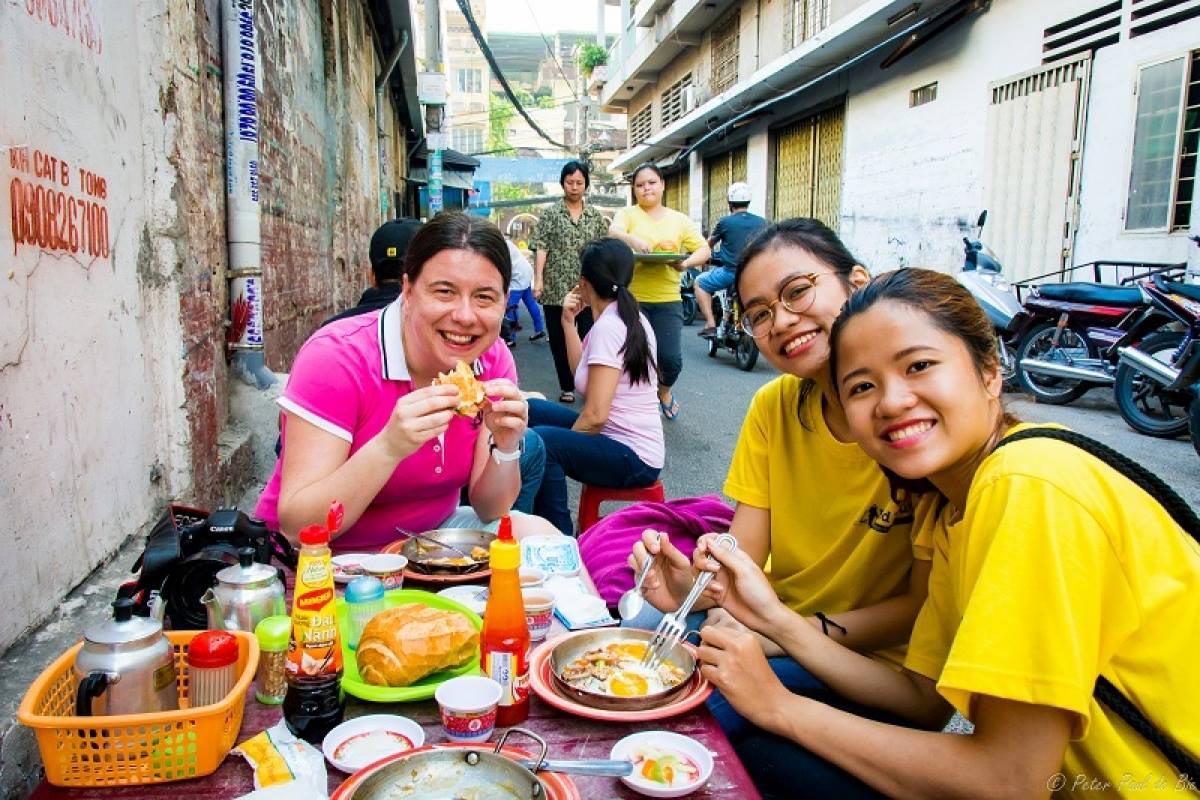
Crowds are a safety signal—hot, fresh, and moving fast
6. Where to Eat: Markets, Family Eateries, Modern Kitchens
-
Markets: breakfast specialists and single‑dish masters.
-
Quan com / quan an: daily plates at honest prices.
-
Modern kitchens: lighter spins, craft beverages, easy for mixed diets.
7. Prices and How to Save
-
Street bowl (pho/bun): 35,000–65,000 VND
-
Banh mi: 25,000–45,000 VND
-
Market lunch (rice + 2–3 dishes): 60,000–120,000 VND
-
Modern bistro: 180,000–350,000 VND per person
Money‑savvy: eat when locals eat; pick stalls with short menus; skip tourist‑only strips.
8. Drinks to Pair With Your Dishes
Iced coffee (ca phe sua da), egg coffee (Hanoi), sugarcane juice (nuoc mia), coconut, lime soda (soda chanh), fresh beer (bia hoi), or craft lagers. Match bold soups with crisp drinks; grills with beer; sweets with tea.
9. Dietary Alternatives (Chay, Gluten‑Light, Halal)
-
Chay (vegetarian/vegan): look for dedicated “chay” signs; ask to omit fish sauce/shrimp paste.
-
Gluten‑light: rice flour and noodles dominate; confirm soy sauce and breaded items.
-
Halal: available in big cities; seafood and chay are easy fallbacks.
10. Sample 7‑Day Eating Itinerary
-
Day 1–2: Hanoi — pho, bun cha, banh cuon; cha ca for dinner; egg coffee.
-
Day 3–4: Hue & Da Nang — bun bo Hue, mi quang; beach seafood; night markets.
-
Day 5–7: Hoi An & Ho Chi Minh City — cao lau, Hoi An banh mi; com tam, banh xeo, oc plates; finish with che.
11. Plan a Food Journey with GrandViet Tour
GrandViet Tour turns your list of What to Eat in Vietnam into a seamless route—booked tables, trustworthy stalls, timed market visits, and easy transfers. We tailor tastings to your pace and dietary needs, mix street classics with modern kitchens, and secure vetted drivers so your nights out stay simple and safe.
12. Conclusion
From pho breakfasts to late‑night grills, What to Eat in Vietnam reflects landscapes and history in every bowl. Keep choices focused—two or three signatures per stop—and leave space for local surprises. When you want everything to click, GrandViet Tour connects kitchens, classes, and culture into one delicious itinerary.
13. Frequently Asked Questions
Q1: What to Eat in Vietnam if I have just one day?
Pho in the morning, banh mi at lunch, bun cha or com tam for dinner, and che for dessert.
Q2: Is street food safe?
Yes at busy, clean stalls. Choose cooked‑to‑order dishes at first; avoid items sitting uncovered.
Q3: Can I find vegetarian or vegan options?
Absolutely. Look for “chay” eateries; ask to omit fish sauce or shrimp paste if needed.
Q4: How spicy is Vietnamese food?
Usually mild by default; heat is added at the table with chilies and sauces.
Q5: Typical prices for a good meal?
Street bowls 35,000–65,000 VND; banh mi 25,000–45,000 VND; simple rice plates 60,000–120,000 VND.
Q6: Where should I eat specific dishes?
Pho and bun cha in Hanoi, bun bo in Hue, mi quang in Da Nang, cao lau in Hoi An, com tam and banh xeo in Ho Chi Minh City.
Q7: Can GrandViet Tour arrange food tours and classes?
Yes. We combine market walks, cooking classes, and tastings with transfers and flexible sightseeing.
Other articles









© GrandViet Tour Co., Ltd. - International Tour Operator Licence 01-217/TCDL-GPLHQT.
Copyright © 2006 - 2020. All Rights Reserved.