

Travel Guide
Top 20 Things to Do in Vietnam for First-Time Visitors
Discover the top 20 things to do in Vietnam for first-time visitors, from exploring ancient towns to cruising Ha Long Bay. Plan your perfect Vietnam adventure with GrandViet Tour's expert guidance and all-inclusive package tours.
1. Introduction: Vietnam's Diverse Attractions
Vietnam offers an incredible blend of breathtaking landscapes, rich history, vibrant culture, and delicious cuisine. This makes it an unforgettable destination for first-time visitors. From the mystical limestone karsts of Ha Long Bay to the charming lantern-lit streets of Hoi An, this Southeast Asian gem provides endless opportunities for exploration and discovery. Whether you're seeking adventure, cultural immersion, or relaxation, Vietnam delivers experiences that will create lasting memories. This comprehensive guide to things to do in Vietnam will help you plan the perfect itinerary for your first visit.
2. Essential Things to Do in Vietnam: Cultural Experiences
When planning your Vietnam adventure, understanding the essential things to do in Vietnam will help you create a well-rounded itinerary. Vietnam's diverse attractions range from ancient cultural sites to natural wonders and modern city experiences. Each region offers unique things to do in Vietnam that showcase different aspects of the country's rich heritage and stunning landscapes.
3. Explore Hoi An Ancient Town

Hoi An's charming ancient architecture and colorful lanterns
Begin your Vietnam journey in Hoi An, a UNESCO World Heritage Site that showcases a perfect blend of Vietnamese, Chinese, and Japanese architectural influences. This well-preserved trading port from the 15th to 19th centuries offers visitors a glimpse into Vietnam's rich maritime history. Wander through the narrow streets lined with traditional wooden houses, visit the iconic Japanese Covered Bridge, and explore the bustling Central Market.
The town truly comes alive at night when thousands of colorful lanterns illuminate the streets and the Thu Bon River. Take a boat ride along the river to see the lanterns floating on the water, creating a magical atmosphere. Don't miss the opportunity to have custom clothing made by the town's skilled tailors, or join a cooking class to learn the secrets of Vietnamese cuisine.
4. Cruise Ha Long Bay
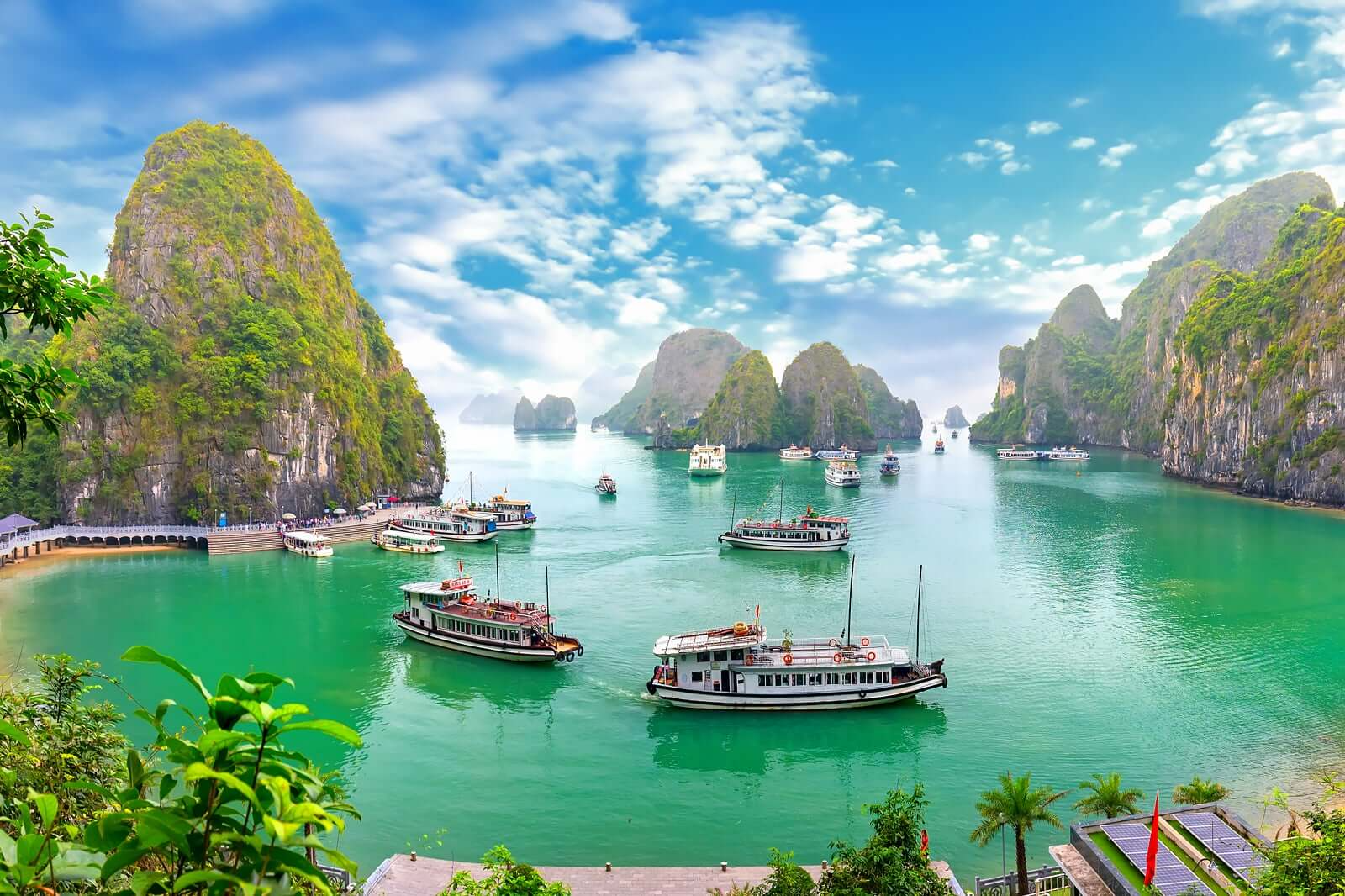
Majestic limestone islands rising from emerald waters
Ha Long Bay, another UNESCO World Heritage Site, is arguably Vietnam's most iconic natural wonder. This spectacular seascape features over 1,600 limestone islands and islets rising dramatically from the emerald waters of the Gulf of Tonkin. For the best experience, book an overnight cruise that allows you to witness the bay's beauty during different times of day.
During your cruise, you can kayak through hidden lagoons, explore mysterious caves like Sung Sot Cave, and swim in the bay's crystal-clear waters. The sunset and sunrise views from the deck are absolutely breathtaking, with the limestone formations creating dramatic silhouettes against the changing sky. Many cruises also include visits to floating fishing villages.
5. Visit the Cu Chi Tunnels

Underground network used during the Vietnam War
Located just 70 kilometers from Ho Chi Minh City, the Cu Chi Tunnels offer a fascinating glimpse into Vietnam's wartime history. This extensive network of underground tunnels, stretching over 250 kilometers, served as a strategic base for the Viet Cong during the Vietnam War. The tunnels included living quarters, meeting rooms, hospitals, and even weapon factories.
Visitors can explore sections of the tunnels that have been widened for tourist safety, experiencing firsthand the cramped conditions that Vietnamese soldiers endured. The site also features displays of various booby traps and weapons used during the conflict. While the experience can be intense, it provides valuable insight into the resilience and ingenuity of the Vietnamese people during wartime.
6. Discover the Imperial Citadel of Hue
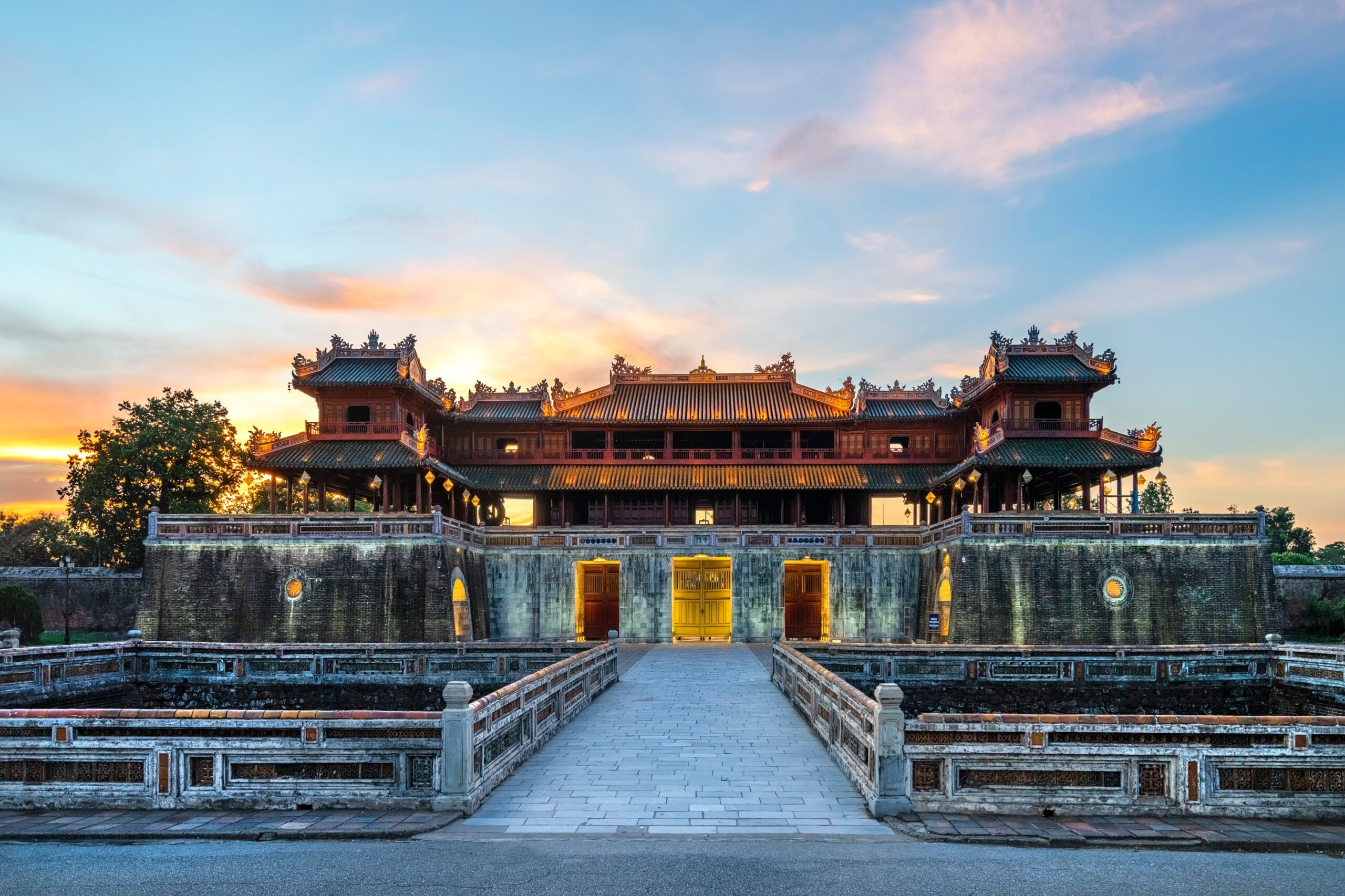
Royal architecture and imperial grandeur
As the former capital of the Nguyen Dynasty from 1802 to 1945, Hue boasts some of Vietnam's most impressive royal architecture. The Imperial Citadel, a UNESCO World Heritage Site, is a massive complex that once housed the emperor's residence, government offices, and ceremonial halls. The citadel is surrounded by a moat and massive stone walls, creating an imposing fortress-like appearance.
Inside, you'll find beautifully preserved palaces, temples, and gardens that showcase the sophisticated architectural and artistic achievements of the Nguyen emperors. The complex follows strict Feng Shui principles, with buildings arranged according to traditional Vietnamese cosmology. Don't miss the Forbidden Purple City, where only the emperor, his family, and select servants were allowed to enter.
7. Experience Ho Chi Minh City's Nightlife
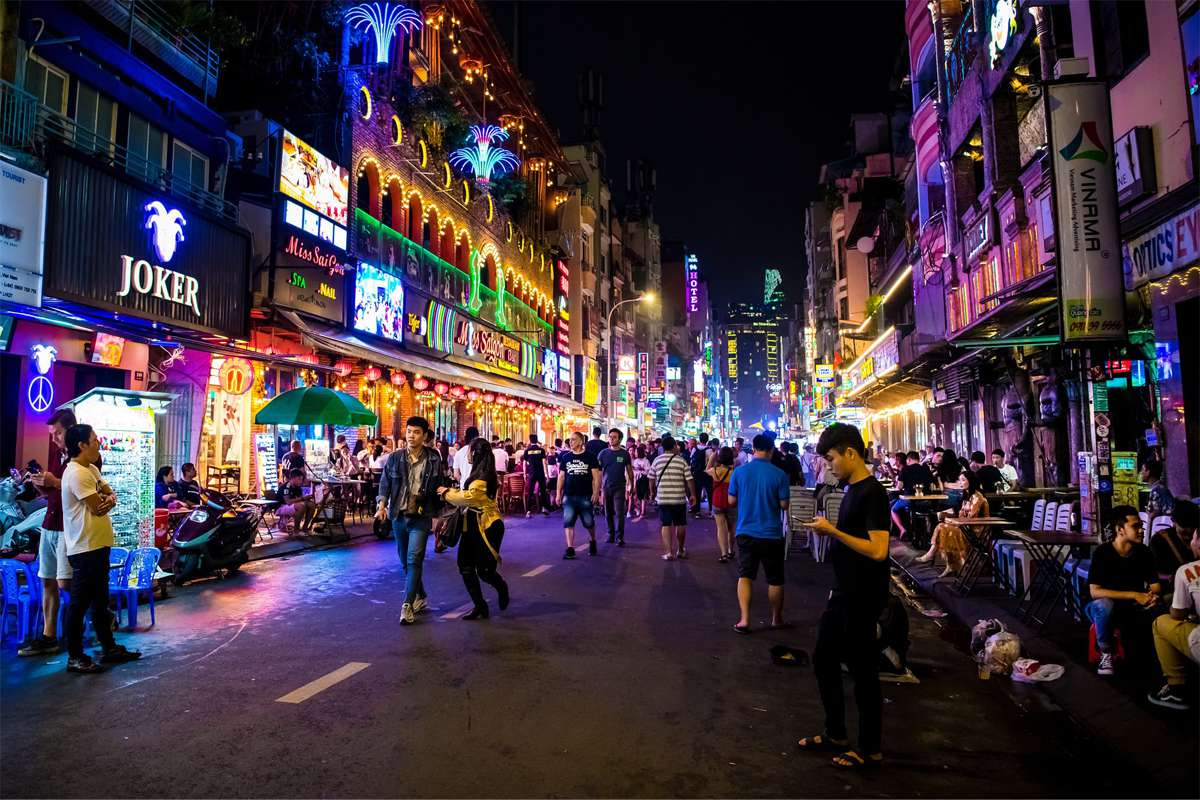
Vibrant energy of Saigon after dark
Ho Chi Minh City, formerly known as Saigon, transforms into a vibrant entertainment hub after sunset. The city's nightlife scene caters to all tastes, from the energetic backpacker street of Bui Vien to sophisticated rooftop bars offering stunning city views. Start your evening with a street food tour, sampling local delicacies like banh mi, pho, and fresh spring rolls.
For a more upscale experience, visit rooftop bars like the Saigon Saigon Bar at the Caravelle Hotel or the Chill Skybar, where you can enjoy cocktails while taking in panoramic views of the city's illuminated skyline. The city also offers excellent live music venues, from traditional Vietnamese music to international jazz and rock performances.
8. Relax on Phu Quoc Island

Pristine beaches and crystal-clear waters
Phu Quoc Island, located off Vietnam's southwestern coast, is a tropical paradise that offers the perfect escape from the mainland's hustle and bustle. The island is known for its pristine white-sand beaches, crystal-clear waters, and lush tropical forests. Long Beach, stretching 20 kilometers along the western coast, is perfect for swimming, sunbathing, and water sports.
Beyond the beaches, Phu Quoc offers diverse marine life perfect for snorkeling and diving. The island is also famous for its fish sauce production, and visitors can tour traditional fish sauce factories. For nature lovers, Phu Quoc National Park provides excellent hiking opportunities.
9. Explore Cat Ba Island

Scenic landscapes and outdoor adventures
Cat Ba Island, the largest island in Lan Ha Bay, offers a quieter alternative to the more touristy Ha Long Bay while maintaining the same stunning limestone karst scenery. The island is perfect for outdoor enthusiasts, with numerous hiking trails that lead to panoramic viewpoints overlooking the bay and surrounding islands.
Water activities abound, including kayaking through hidden lagoons, swimming in secluded coves, and fishing with local fishermen- top things to do in Vietnam. The island also features several caves worth exploring, such as Trung Trang Cave with its impressive stalactite formations.
10. Conclusion
Vietnam offers first-time visitors an incredible array of experiences that showcase the country's natural beauty, rich history, vibrant culture, and warm hospitality. From exploring ancient towns and cruising spectacular bays to sampling delicious street food and learning about local traditions, every activity provides unique insights into what makes Vietnam such a special destination.
The diversity of experiences ensures that every traveler can find something that matches their interests and travel style. Whether you're seeking adventure, cultural immersion, relaxation, or culinary exploration, Vietnam delivers unforgettable memories that will inspire you to return and discover even more of this fascinating country.
This comprehensive guide to things to do in Vietnam covers the essential experiences that make the country such a remarkable destination. From the northern mountains to the southern delta, each region offers unique things to do in Vietnam that showcase different aspects of the country's rich heritage.
For the best Vietnam experience, consider exploring the country with GrandViet Tour's expertly crafted package tours. Our local expertise ensures you'll discover hidden gems and authentic experiences that go beyond the typical tourist trail.
Contact us through the following channels for free consultation::
- Fanpage: Grandviet Tour - Best Vietnam Tours & Holidays
- Hotline: +84 24 3724 5364
- Mail: sales@grandviettour.com
11. Frequently Asked Questions
Q: What is the best time to visit Vietnam? A: The best time to visit Vietnam depends on the region. Generally, February to April and August to October offer pleasant weather across most of the country. The north is best visited from September to November, central Vietnam from January to August, and the south from December to April.
Q: How many days do I need to see the main attractions in Vietnam? A: To experience the main attractions comfortably, plan for at least 14-21 days. This allows time to visit Hanoi, Ha Long Bay, Hue, Hoi An, Ho Chi Minh City, and the Mekong Delta without feeling rushed.
Q: Is Vietnam safe for first-time visitors? A: Yes, Vietnam is generally very safe for tourists. The country has low crime rates, and locals are known for their hospitality. However, take standard precautions like avoiding unlicensed taxis and being careful with street food hygiene.
Q: What should I pack for a trip to Vietnam? A: Pack lightweight, breathable clothing, comfortable walking shoes, a rain jacket (especially during monsoon season), sunscreen, insect repellent, and any necessary medications. Don't forget your camera and power adapter.
Q: Do I need a visa to visit Vietnam? A: Visa requirements depend on your nationality. Many countries can get a visa on arrival or e-visa. Check with the Vietnamese embassy or consulate in your country for current requirements.
Other articles


© GrandViet Tour Co., Ltd. - International Tour Operator Licence 01-217/TCDL-GPLHQT.
Copyright © 2006 - 2020. All Rights Reserved.