

Travel Guide
Public Transport in Vietnam: A Complete Tourist Guide
Public Transport in Vietnam explained: buses, trains, metros, taxis, boats, apps, costs, safety, and etiquette. Travel smarter with GrandViet Tour’s support.
1. Introduction: How Public Transport Fits Your Trip
Vietnam stretches 1,650 km from Chinese highlands to the Mekong Delta. Cities pulse with buses, new metros, taxis, and ride‑hail. Rivers and bays move people by boat. For many routes, Public Transport in Vietnam is efficient, authentic, and kind to budgets. Mix it with flights for distance and trains where views shine.

Vietnam’s S‑shaped geography rewards a multimodal plan that blends speed and scenery
2. Public Transport in Vietnam: What to Expect Across Regions
Expect dense urban bus networks, growing metro lines, safe intercity trains, competitive coaches, and affordable taxis. In the north, routes link Hanoi to mountains and Ha Long Bay. The central region centers on Da Nang for coast and heritage towns. The south orbits Ho Chi Minh City with buses and expressways into the Mekong. Throughout, Public Transport in Vietnam is inexpensive, frequent, and improving year by year.
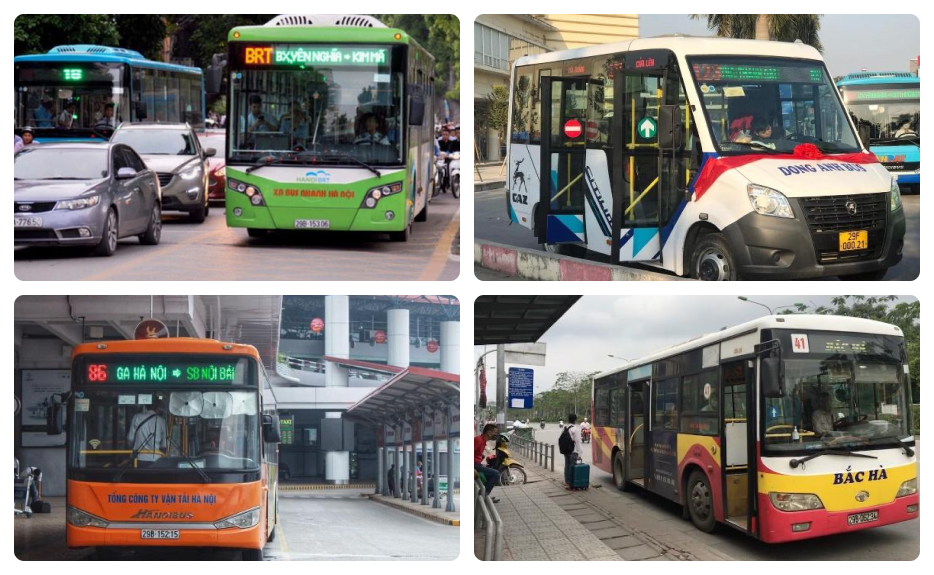
From metros to ferries, options vary by region but coverage is broad and frequent
3. City Networks: Hanoi, Ho Chi Minh City, Da Nang
Big cities are where Public Transport in Vietnam is most useful day‑to‑day. Expect clear route maps, English‑friendly apps, and cashless options in tourist zones.
3.1. Hanoi: Buses, BRT, and Metro Line 2A
Hanoi runs extensive city buses, a Bus Rapid Transit (Kim Ma ↔ Yen Nghia), and the Cat Linh–Ha Dong metro (Line 2A). Buses reach the Old Quarter, West Lake, and outlying craft villages. For Noi Bai Airport, bus 86 connects the terminal to Hanoi Station. Fares are low, and day passes are available on some routes.

Hanoi’s Metro and Line 2A keep Old Quarter, West Lake, and new districts connected
3.2. Ho Chi Minh City: Buses and the Emerging Metro
Ho Chi Minh City has the country’s largest bus network and a new urban metro line beginning operations step‑by‑step. Buses cover District 1 to outlying Thu Duc, with airport links from Tan Son Nhat. GrabBike and taxis fill gaps late night or during downpours.

In HCMC, buses remain the workhorse while the metro scales up to ease congestion
3.3. Da Nang: Compact, Bus‑First, Sea‑and‑Mountain Access
Da Nang’s compact layout and signed stops make buses easy. Routes reach beaches, My Khe, the Marble Mountains, and interchanges for Hoi An shuttles. Traffic is lighter than in the two mega‑cities, so surface public transport often beats taxis at rush hour.

Da Nang’s bus grid is simple to learn and ideal for beach and heritage hops
4. Trains: Scenic, Safe, and Social
Vietnam Railways’ north–south line links Hanoi, Hue, Da Nang, Nha Trang, and Ho Chi Minh City. Trains are reliable, with soft seats for day legs and 4‑berth sleepers for overnights. The Hai Van Pass section between Hue and Da Nang is especially scenic. Book early around Tet and school holidays.
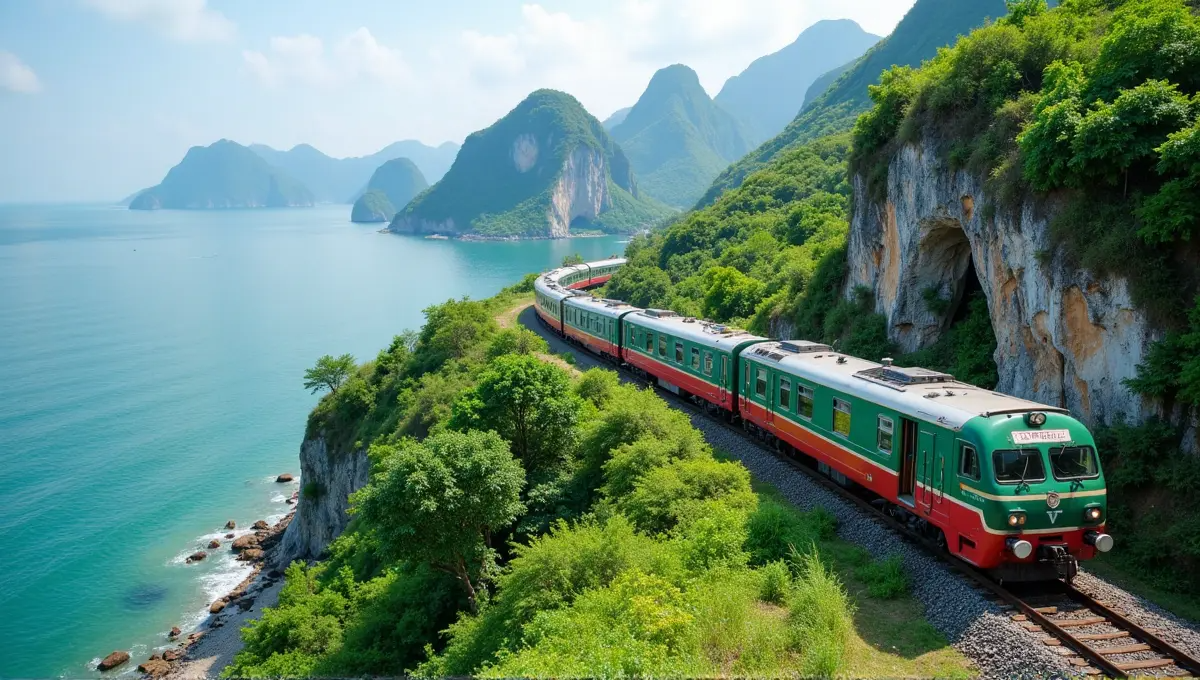
Coastal curves and mountain passes make the Reunification line a highlight of overland travel
5. Intercity Buses and Sleepers: Cheap and Ubiquitous
Coaches reach places trains do not: highland loops, coastal towns, and border provinces. Sleeper buses run overnight to save a hotel night, while “limousine” vans serve shorter hops with fewer seats and more comfort. Use reputable brands, keep valuables near, and confirm the exact drop‑off point.

Sleeper coaches and comfy vans stretch coverage to almost every major destination
6. Taxis and Ride‑Hailing: Grab, Gojek, and Be
In cities, taxis and ride‑hailing complete Public Transport in Vietnam. Reputable fleets include Mai Linh and Vinasun. Ride‑hailing apps (Grab, Gojek, Be) offer upfront pricing for cars and motorbikes. Use hotel pickup points when possible and check the license plate before boarding.

Grab and trusted taxi brands keep fares predictable and routes transparent
7. Motorbike Taxis and Cyclos: When to Use Them
Xe Om (motorbike taxis) are fast in narrow lanes, while cyclos are slow, nostalgic rides in old quarters. Agree on the price and route before moving. For long distances or heavy luggage, choose a car. Helmets are mandatory on motorbikes.
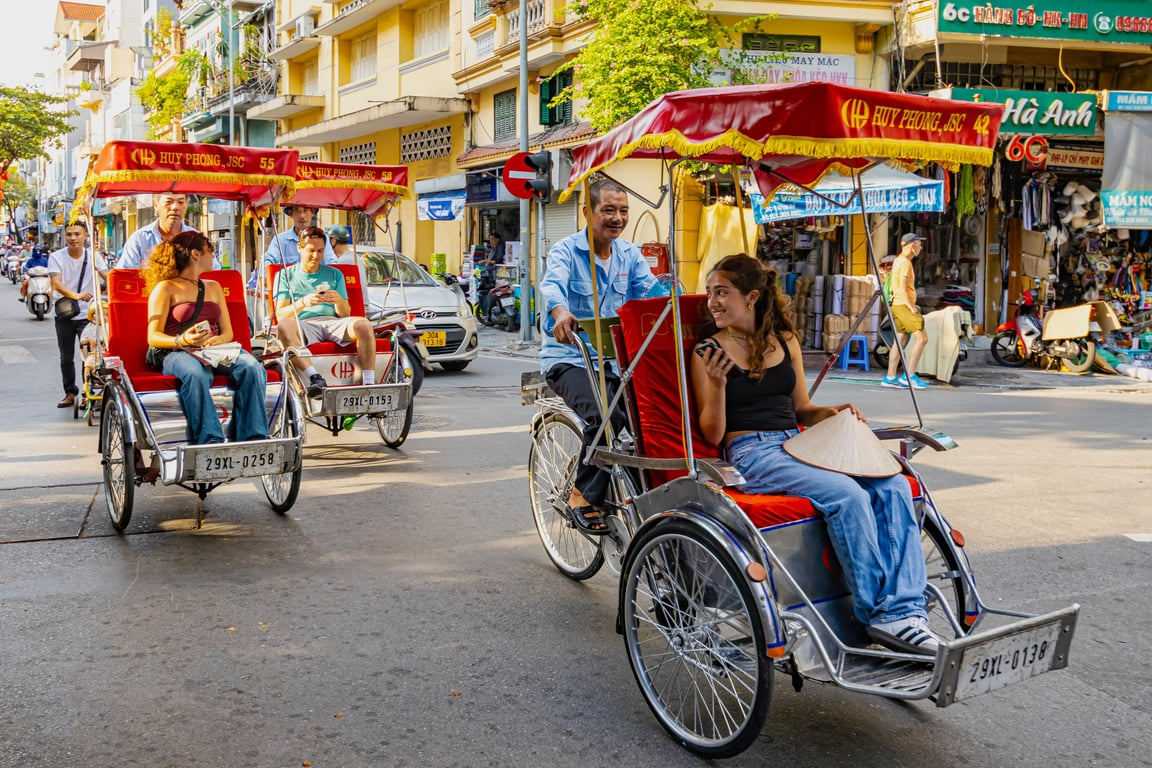
Use motorbike taxis for short hops; cyclos are best for scenic, short‑distance rides
8. Boats and Ferries: Ha Long, Mekong, and Islands
Waterways remain vital. In the north, Ha Long–Lan Ha–Cat Ba trips vary from day boats to overnight cruises and local ferries. In the south, Mekong Delta boats link towns and floating markets, with high‑speed ferries serving Phu Quoc and Con Dao. Weather can alter schedules—check the forecast and carry buffers.

From karst bays to delta canals, boats reveal a gentler rhythm of life
9. Tickets, Apps, and Payments
Buy train e‑tickets from official channels or trusted platforms. Intercity bus tickets are available via agents, hotel desks, and apps. City buses may accept cash onboard; some corridors support contactless cards. E‑wallets like MoMo and ZaloPay are common in cities.
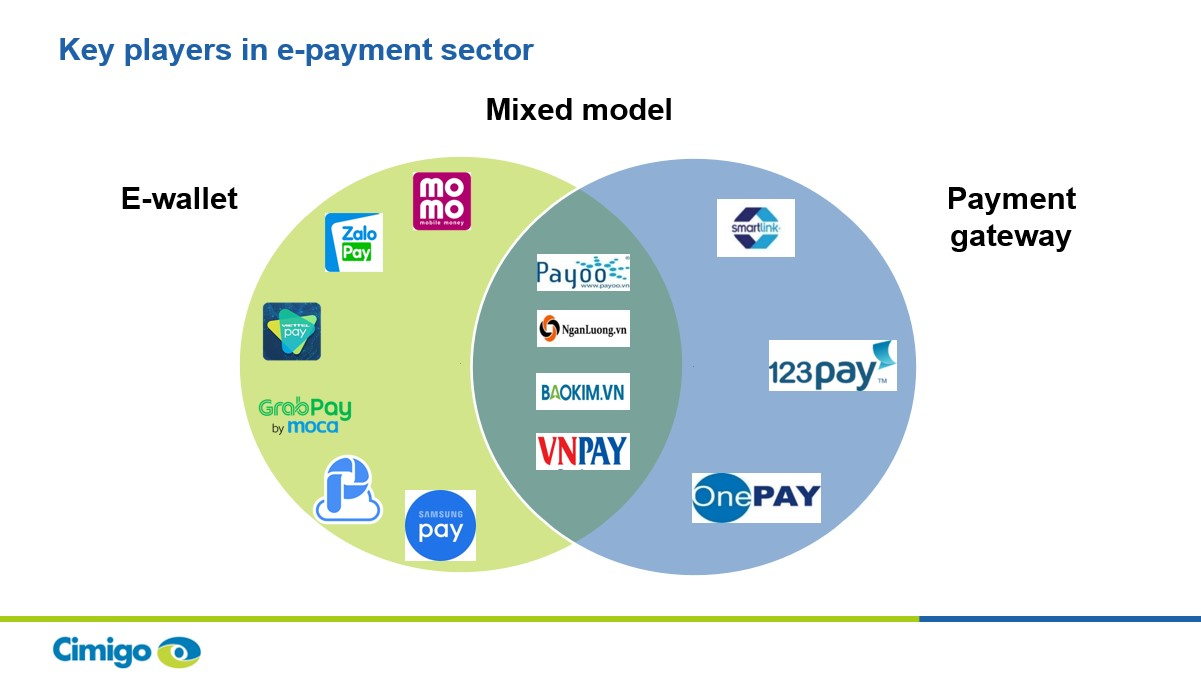
Mix official sites, reputable platforms, and e‑wallets for smooth purchases
10. Accessibility, Families, and Luggage
Metros and airports provide elevators and priority seats; not all older bus stops do. With strollers, board off‑peak and sit near doors. For luggage, soft backpacks handle steps and narrow aisles better than hard cases. On trains, 4‑berth sleepers suit families; private transfers help on late arrivals.
11. Safety, Etiquette, and Avoiding Scams
Keep phones zipped in front pockets on crowded buses. Cross streets at steady pace; let larger vehicles pass first. Use meters in taxis and confirm any surcharges. For cyclos, agree on total price and distance. If unsure, switch to ride‑hailing for clear fares.
12. Sample Itineraries Using Public Transport
-
7 days (Hanoi + Ninh Binh + Ha Long): Hanoi by bus/metro → day bus to Ninh Binh → back to Hanoi → bus to Ha Long → boat cruise → limousine van return.
-
10 days (Central coast classic): Train Hanoi → Hue → train Hue → Da Nang → bus/shuttle to Hoi An → back to Da Nang → fly onward.
-
12 days (South and Delta): HCMC by bus/metro → bus/boat combo into the Mekong Delta → ferry to Phu Quoc → fly or ferry back.
13. Time and Cost Cheat Sheet
-
Hanoi ↔ Ha Long (limousine van): 2.5–3.0 h; from 250,000–350,000 VND
-
Hanoi ↔ Ninh Binh (train or bus): ~2 h; from 120,000–200,000 VND
-
Hue ↔ Da Nang (train via Hai Van): ~2.5–3.0 h; from 100,000–200,000 VND
-
HCMC ↔ Mekong Delta hubs (bus): 2–4 h; from 120,000–250,000 VND
-
HCMC ↔ Vung Tau (bus or hydrofoil): 2–2.5 h; from 180,000–300,000 VND
14. Plan with GrandViet Tour
GrandViet Tour designs itineraries that use Public Transport in Vietnam where it’s smart—and private cars or flights where they save time. We align train tickets with seat types, reserve reliable buses, schedule boat days for weather windows, and add vetted airport transfers for late nights. Your route feels seamless and safe.
15. Conclusion
Done right, Public Transport in Vietnam makes trips richer and cheaper. Keep sentences of the day simple: buses for cities, trains for views, boats for bays, taxis or ride‑hail for gaps. Build buffers in monsoon months. When you want everything aligned and ticketed, GrandViet Tour turns a complex web into an easy, enjoyable journey.
16. Frequently Asked Questions
Q1: Is Public Transport in Vietnam safe for first‑time visitors?
Yes. Use reputable bus brands, book official train tickets, and prefer metered taxis or ride‑hail. Keep valuables close in crowds.
Q2: What’s the best way to pay for city buses?
Cash is common; some corridors accept contactless cards. Keep small notes ready, or ask your hotel about prepaid cards.
Q3: Train or bus for Hue ↔ Da Nang?
Train for scenery via Hai Van Pass. Soft seat by day or 4‑berth sleeper at night. Buses are faster door‑to‑door but less scenic.
Q4: Do ride‑hailing apps work everywhere?
They dominate big cities and many towns. In remote areas, use local taxis, hotel cars, or pre‑arranged transfers.
Q5: How do I avoid taxi scams?
Choose Mai Linh or Vinasun, or ride‑hailing. Check plates, ensure the meter runs, and confirm any tolls/airport fees in advance.
Q6: Can GrandViet Tour arrange public transport tickets?
Absolutely. We book trains, reputable buses, and boats, and combine them with private transfers and flights where needed.
Q7: What about luggage on buses and trains?
Travel light if possible. On trains, store bags under seats or on racks. On buses, keep valuables with you and label checked items.
Other articles









© GrandViet Tour Co., Ltd. - International Tour Operator Licence 01-217/TCDL-GPLHQT.
Copyright © 2006 - 2020. All Rights Reserved.