

Travel Guide
North Or South Vietnam: Which Region Should You Explore?
1. North vs South Vietnam Travel: Introduction to Regional Diversity
Vietnam's unique S-shaped geography, stretching over 1,650 kilometers from north to south, creates one of Southeast Asia's most diverse travel experiences. As proud Vietnamese locals who have explored every corner of our beautiful country, we understand that choosing between North or South Vietnam travel can be one of the most important decisions for your Vietnamese adventure.
From the misty mountains of Sapa, where ethnic minority communities maintain centuries-old traditions, to the bustling streets of Ho Chi Minh City, where modern entrepreneurial spirit thrives, each region offers distinct experiences for different travel styles.
This comprehensive North or South Vietnam travel guide explains key differences in climate, culture, cuisine, and attractions. Use it to choose the region that best fits your interests and time.
This North or South Vietnam travel comparison also highlights planning tips for short and long trips.
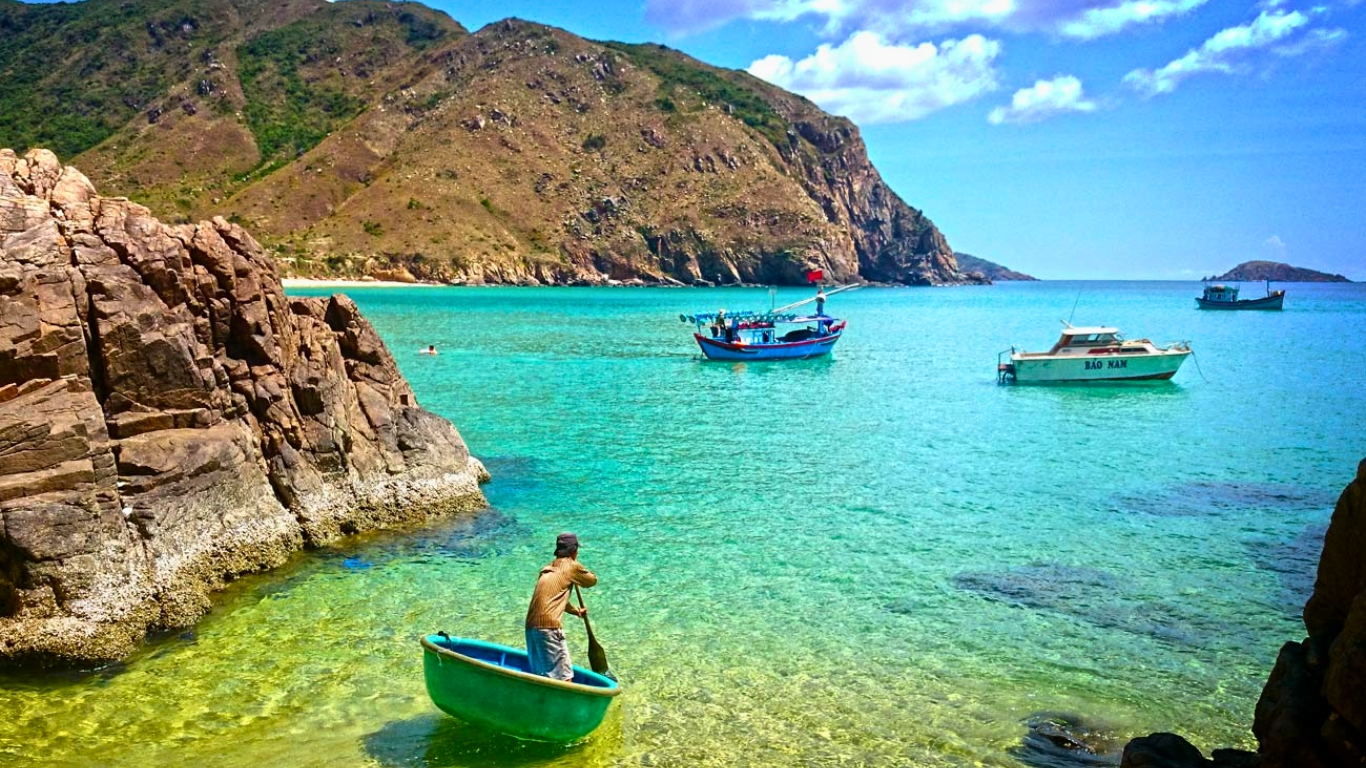
From northern mountains to southern beaches, Vietnam offers diverse landscapes across its regions
2. Northern Vietnam: Mountains, Culture & Tradition
Geographic and Cultural Overview
Northern Vietnam is characterized by its traditional atmosphere, spectacular mountainous landscapes, and deep cultural richness. This region holds stronger influences from Chinese and French colonization, particularly visible in its architecture and cultural practices.
Landscape Features: The north features majestic karst islands (Ha Long Bay), dramatic terraced rice fields in mountainous areas like Sapa and Ha Giang, and the fertile Red River Delta where traditional farming methods continue to thrive.
Cultural Heritage: Northern Vietnam has a greater ethnic diversity compared to the south, with various communities like Hmong, Dao, and Tay maintaining distinct traditions, languages, and customs that have been preserved for generations.
Key Northern Destinations
Hanoi - The Historical Capital: Vietnam's thousand-year-old capital perfectly blends French colonial charm with ancient Vietnamese traditions. The Old Quarter's narrow streets, lined with traditional tube houses and bustling markets, offer an authentic glimpse into daily Vietnamese life.
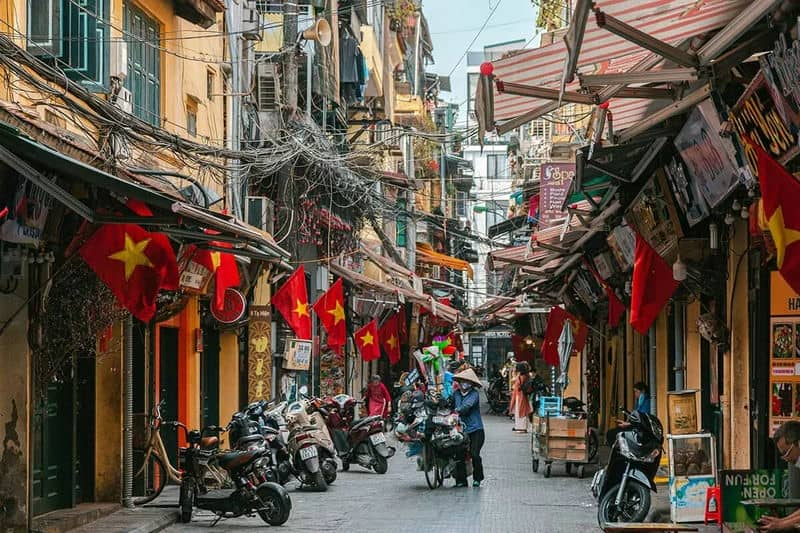
Hanoi's Old Quarter showcases the blend of French colonial and traditional Vietnamese architecture
Ha Long Bay - Natural Wonder: A UNESCO World Heritage Site featuring over 1,600 limestone islands rising dramatically from emerald waters. While the bay can be crowded, GrandViet Tour offers exclusive access to less-visited areas and luxury cruise experiences.

Ha Long Bay's iconic limestone karsts create one of Vietnam's most spectacular natural wonders
Sapa - Mountain Majesty: Nestled in the Hoang Lien Son mountain range, Sapa offers breathtaking landscapes and rich cultural experiences with ethnic minority communities. The terraced rice fields, especially during harvest season, create a photographer's paradise.

Sapa's terraced rice fields showcase northern Vietnam's agricultural heritage and ethnic diversity
Northern Vietnam Climate
Northern Vietnam experiences four distinct seasons with cooler, more seasonal weather patterns:
Spring (March-April): Mild temperatures (20-28°C) with clear skies and blooming flowers, ideal for outdoor activities and cultural exploration.
Autumn (September-November): Cool, crisp weather (18-25°C) perfect for mountain trekking and city sightseeing, with golden rice terraces creating spectacular photo opportunities.
Winter (December-February): Cool, dry conditions with temperatures averaging 17-22°C in Hanoi and dropping to 4°C in mountainous areas like Sapa, creating magical misty landscapes.
Summer (May-August): Hot, humid weather with frequent rainfall, particularly in July and August, making outdoor activities challenging during peak hours.
3. Southern Vietnam: Modern Cities & Tropical Paradise
Geographic and Cultural Overview
Southern Vietnam offers a more modern, dynamic, and urban atmosphere with significant influence from the Vietnam War era. Locals are often perceived as more laid-back and warmer, reflecting the region's tropical climate and historical development.
Landscape Features: The south features the fertile and picturesque Mekong Delta, known for its waterways and floating markets, plus paradisiacal islands with beautiful beaches such as Phu Quoc and Con Dao.
Cultural Heritage: Southern Vietnam carries influences from Cambodian, Indian, French, and Cham culinary traditions, creating a vibrant and diverse cultural tapestry that differs significantly from the north.
Key Southern Destinations
Ho Chi Minh City - Dynamic Metropolis: Formerly Saigon, this city pulses with energy and innovation while preserving its historical charm. French colonial architecture, bustling markets, and vibrant street life create an intoxicating urban experience.
Mekong Delta - River Life: Vietnam's "rice bowl" showcases a unique way of life centered around water that has sustained Vietnamese communities for generations. Floating markets, traditional villages, and lush orchards create a peaceful contrast to urban centers.
Phu Quoc Island - Tropical Paradise: Vietnam's largest island offers pristine beaches, crystal-clear waters, and a relaxed island atmosphere with carefully managed development that preserves natural beauty while providing modern amenities.
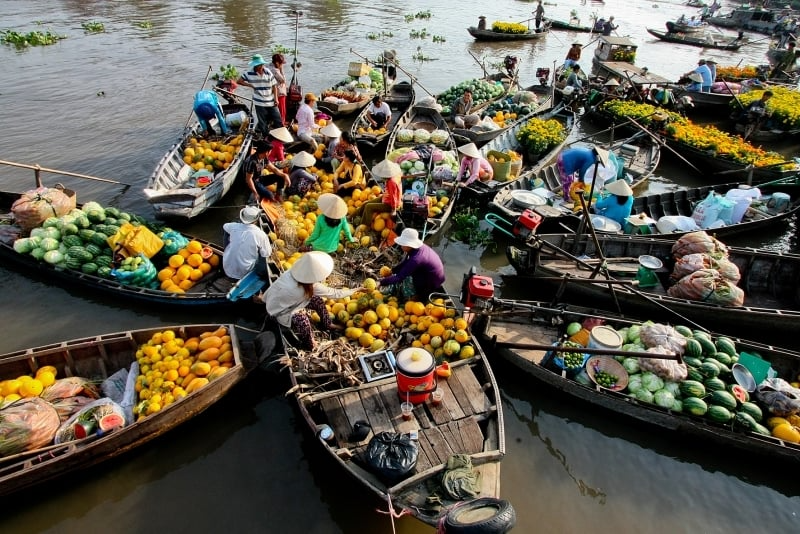
The Mekong Delta's floating markets showcase southern Vietnam's unique river-based culture and agricultural heritage
Southern Vietnam Climate
Southern Vietnam maintains a tropical climate year-round with distinct wet and dry seasons:
Dry Season (November to April): Pleasant temperatures (25-32°C) with minimal rainfall create perfect conditions for exploring cities, cruising waterways, and relaxing on beaches.
Wet Season (May to October): While rainfall increases, the region maintains warm temperatures and offers unique experiences like lush landscapes, fewer crowds, and dramatic photography opportunities during afternoon thunderstorms.
4. Climate and Weather Comparison
Seasonal Variations
Northern Vietnam: Experiences four distinct seasons with significant temperature variations. Winters can be cold and dry, particularly in mountainous areas, while summers bring high humidity and frequent rainfall.
Southern Vietnam: Maintains consistent tropical warmth throughout the year with two main seasons. The dry season offers stable, sunny weather, while the wet season brings afternoon showers that rarely disrupt travel plans.
Best Travel Times by Region
Northern Vietnam: Spring (March-April) and autumn (September-November) offer the most comfortable weather for exploration, with mild temperatures and minimal rainfall perfect for outdoor activities.
Southern Vietnam: The dry season (November to April) provides ideal conditions for all types of travel, while the wet season offers unique experiences with lush landscapes and fewer tourist crowds.
Central Vietnam: February to August provides excellent weather, though typhoon season from August to November requires careful planning and flexible itineraries.
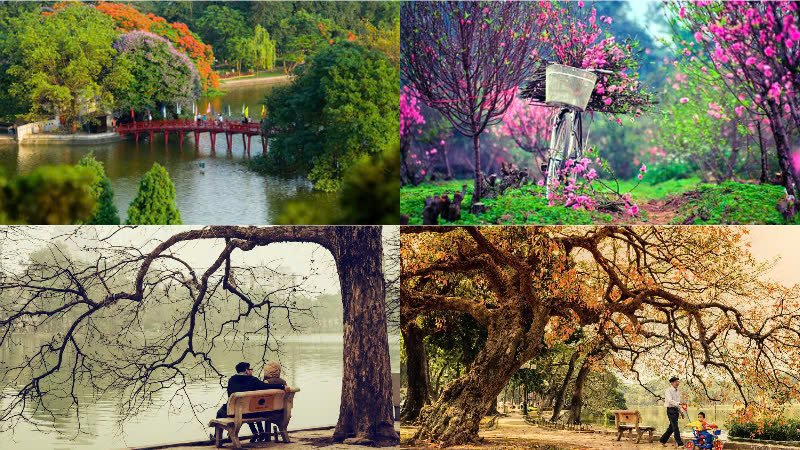
Understanding Vietnam's regional climate differences helps plan the perfect trip timing
Climate is a core factor in any North or South Vietnam travel decision. Knowing seasonal patterns helps you match destinations to your dates.
5. Cultural Differences and Heritage
Historical Influences
Northern Vietnam: Stronger Chinese and French colonial influences are visible in architecture, education systems, and cultural practices. The region has maintained more traditional Vietnamese customs and values.
Southern Vietnam: More diverse cultural influences from Cambodian, Indian, French, and Cham traditions, creating a more cosmopolitan atmosphere that embraces change and innovation.
Ethnic Diversity
Northern Vietnam: Home to a greater variety of ethnic minority groups, particularly in mountainous regions. Communities like the Hmong, Dao, and Tay maintain distinct traditions, languages, and crafts that contribute to Vietnam's rich cultural tapestry.
Southern Vietnam: While less ethnically diverse, the region showcases Vietnam's modern multicultural identity through its urban centers, international influences, and diverse culinary traditions.
Traditional Customs
Northern Vietnam: Places greater emphasis on ceremony and tradition, with more structured dining rituals and formal cultural practices that reflect reverence for heritage and communal values.
Southern Vietnam: Emphasizes fun, family, and freedom in cultural expressions, with more spontaneous and generous approaches to hospitality and social interactions.
6. Culinary Traditions: North vs South
Flavor Profiles and Ingredients
Northern Vietnamese Cuisine: Characterized by subtle, clean, mild, and balanced flavors with minimal sugar and foundational saltiness from fish sauce. Dishes often focus on harmony and allow individual ingredients to shine.
Northern Vietnamese pho emphasizes clear broth and minimal toppings for authentic flavor
Southern Vietnamese Cuisine: Features bold, sweet, spicy flavors with frequent use of coconut-based elements and an abundance of fresh herbs. Southern cooking embraces boldness and generosity in flavor combinations.
Southern Vietnamese banh xeo showcases bold flavors and generous herb accompaniments
Signature Dishes Comparison
Northern Must-Try Dishes:
-
Pho Ha Noi: Clear, savory broth with minimal toppings, focusing on broth purity
-
Bun Thang: Delicate chicken noodle soup with light, clear broth
-
Cha Ca La Vong: Grilled fish with turmeric and dill, a Hanoi specialty
-
Xoi: Sticky rice with various toppings, often enjoyed for breakfast
Southern Must-Try Dishes:
-
Banh Xeo: Crispy rice pancake with pork and shrimp, served with fresh herbs
-
Com Tam: Broken rice with grilled pork, a beloved Saigon street food
-
Hu Tieu Nam Vang: Cambodian-style noodle soup with rich broth
-
Goi Cuon: Fresh spring rolls with peanut dipping sauce
Dining Culture Differences
Northern Dining: More formal and structured, often following traditional patterns with emphasis on communal sharing and respect for food traditions.
Southern Dining: More relaxed and generous, emphasizing abundance and ensuring everyone is well-fed in a warm, family-oriented atmosphere.
7. Top Attractions by Region
Northern Vietnam Highlights
Cultural and Historical Sites:
-
Hanoi's Old Quarter and Temple of Literature
-
Ha Long Bay's limestone karsts and cave systems
-
Sapa's ethnic minority villages and terraced rice fields
-
Ninh Binh's ancient capital and limestone landscapes
-
Ha Giang's mountain passes and ethnic cultures
Outdoor Activities:
-
Trekking through mountain villages
-
Kayaking in Ha Long Bay
-
Cycling through rural landscapes
-
Homestay experiences with ethnic communities
Southern Vietnam Highlights
Urban and Natural Attractions:
-
Ho Chi Minh City's historical sites and modern skyline
-
Mekong Delta's floating markets and river life
-
Phu Quoc's pristine beaches and island adventures
-
Con Dao's national parks and historical sites
-
Da Lat's cool climate and natural beauty
Experiences:
-
Street food exploration in urban centers
-
Boat trips through delta waterways
-
Beach relaxation and water sports
-
Coffee plantation tours in the highlands
8. Travel Planning Considerations
Time and Distance Factors
Travel Distance: Vietnam's long, narrow shape means significant travel time between northern and southern regions. For shorter trips (two weeks or less), focusing on one region often provides better experiences.
For efficient North or South Vietnam travel with limited time, pick one region and go deeper.
Regional Focus Options:
-
Northern Vietnam Focus: Hanoi, Sapa, Ha Long Bay, Ninh Binh
-
Southern Vietnam Focus: Ho Chi Minh City, Mekong Delta, Phu Quoc, Da Lat
-
Central Vietnam Focus: Hue, Hoi An, Da Nang (can be combined with either north or south)
Budget Considerations
Cost Variations: Vietnam is generally affordable, but prices can vary by region and season. Peak tourist seasons (December-February) bring higher prices, while the wet season offers significant savings.
Value Opportunities: Shoulder seasons often provide the best balance of weather and pricing, with GrandViet Tour's local knowledge helping travelers find the best value regardless of the season.
Cultural Preferences
Traditional vs Modern: Northern Vietnam offers more traditional cultural experiences, while southern Vietnam provides modern urban energy and cosmopolitan atmosphere.
Nature vs City: Northern Vietnam excels in natural landscapes and outdoor activities, while southern Vietnam offers urban exploration and beach relaxation.
9. GrandViet Tour: Your Regional Vietnam Expert
Local Expertise Across Regions
As Vietnam's premier inbound tour operator, GrandViet Tour provides unparalleled local knowledge of both northern and southern Vietnam, ensuring you experience the best of each region:
Regional Specialization: Our team of local experts understands the unique characteristics of each region and can recommend the perfect destinations based on your interests, travel style, and timing preferences.
Customized Regional Tours: We create region-specific package tours that showcase the best of northern or southern Vietnam, or comprehensive journeys that highlight the contrasts between regions.
Northern Vietnam Expertise
Mountain Adventures: Specialized trekking tours in Sapa and Ha Giang with authentic ethnic minority experiences and comfortable homestay accommodations.
Cultural Immersion: Deep cultural experiences in Hanoi's historic districts, traditional craft villages, and ancient temples that reveal Vietnam's rich heritage.
Natural Wonders: Exclusive access to Ha Long Bay's less-visited areas, with luxury cruise experiences and sustainable tourism practices.
Southern Vietnam Expertise
Urban Exploration: Insider access to Ho Chi Minh City's best street food, hidden markets, and historical sites that showcase Vietnam's modern development.
Delta Experiences: Authentic Mekong Delta tours with local families, floating market visits, and traditional river life experiences that few tourists discover.
Island Paradise: Carefully curated Phu Quoc experiences that balance natural beauty with modern comfort, including sustainable tourism practices.
Professional Support Throughout Your Journey
24/7 Assistance: Our team provides round-the-clock support to help you navigate any challenges during your regional exploration.
Local Connections: Established relationships with communities and service providers in both regions ensure you receive the best care and most authentic experiences.
Flexible Planning: We can adjust your itinerary to take advantage of the best weather and experiences in each region, maximizing your Vietnam adventure.
10. Conclusion
Choosing between North or South Vietnam travel depends on your interests, preferred experiences, and travel style. Vietnam's regional diversity works to your advantage. You can enjoy each region separately or combine both for a complete journey.
From the traditional mountain cultures and four-season climate of the north to the modern urban energy and tropical warmth of the south, each region reveals a different facet of Vietnam's beauty and character. Whether you prefer northern traditions or southern innovation, your North or South Vietnam travel choice will shape a memorable trip.
As you plan your Vietnamese adventure, remember that GrandViet Tour stands ready to transform your regional preferences into the perfect itinerary. Our local expertise, regional knowledge, and commitment to exceptional service ensure that your Vietnam experience will be nothing short of extraordinary, regardless of which region you choose to explore.
Ready to discover your perfect Vietnam region? Contact GrandViet Tour today to explore our regional package tours and begin planning the journey of a lifetime. Let us show you the real Vietnam - authentic, beautiful, and unforgettable, whether in the misty mountains of the north or the tropical paradise of the south.
11. Frequently Asked Questions (FAQ)
Q: Which region of Vietnam is better for first-time visitors? A: Both regions offer excellent experiences for first-time visitors, but the choice depends on your interests. Northern Vietnam is ideal for cultural immersion and natural landscapes, while southern Vietnam is perfect for modern urban experiences and tropical relaxation. Many travelers choose to focus on one region for shorter trips or combine both for comprehensive exploration.
Q: How much time do I need to explore both northern and southern Vietnam? A: To comfortably explore both regions, plan for at least 3-4 weeks. For shorter trips (1-2 weeks), focusing on one region provides better experiences and reduces travel time. GrandViet Tour can help you create the perfect itinerary based on your available time and interests.
Q: What are the main differences in weather between north and south Vietnam? A: Northern Vietnam experiences four distinct seasons with cooler winters and hot, humid summers. Southern Vietnam maintains a tropical climate year-round with wet and dry seasons. The best time to visit the north is spring (March-April) and autumn (September-November), while the south is excellent year-round with the dry season (November-April) being most popular.
Q: Is it safe to travel between northern and southern Vietnam? A: Yes, Vietnam is very safe for travel between regions. Domestic flights, trains, and buses provide reliable transportation options. GrandViet Tour can arrange safe, comfortable transfers between regions as part of your package tour.
Q: Which region has better food experiences? A: Both regions offer excellent but different culinary experiences. Northern Vietnamese cuisine features subtle, balanced flavors with emphasis on broth-based dishes like pho. Southern Vietnamese cuisine is bolder and sweeter with more herbs and coconut-based elements. Food lovers should try both to experience Vietnam's full culinary diversity.
Q: Can GrandViet Tour help me choose between northern and southern Vietnam? A: Absolutely! GrandViet Tour's local experts can recommend the perfect region based on your interests, travel style, and timing preferences. We create customized itineraries that maximize your experience in whichever region you choose, or combine both for comprehensive exploration.
Q: What are the main cultural differences between north and south Vietnam? A: Northern Vietnam maintains stronger traditional Vietnamese customs with greater ethnic diversity and emphasis on ceremony. Southern Vietnam is more cosmopolitan with diverse cultural influences and a more relaxed, modern atmosphere. Both regions offer authentic Vietnamese experiences but with distinctly different cultural flavors.
Q: Which region is better for outdoor activities and adventure? A: Northern Vietnam excels in outdoor activities with mountain trekking, ethnic village exploration, and natural landscapes. Southern Vietnam offers water-based adventures in the Mekong Delta, beach activities on islands, and urban exploration. Adventure seekers can find excellent experiences in both regions depending on their preferred activities.
Other articles


© GrandViet Tour Co., Ltd. - International Tour Operator Licence 01-217/TCDL-GPLHQT.
Copyright © 2006 - 2020. All Rights Reserved.