

Travel Guide
Is Vietnam Safe To Travel? What Tourists Need To Know
Discover if Vietnam is safe to travel in 2025 with our comprehensive safety guide. Learn about scams, safety tips, and travel advice from GrandViet Tour's local experts.
1. Is Vietnam Safe to Travel: Introduction for Travelers
As proud Vietnamese locals who have grown up exploring every corner of this beautiful country, we're excited to address one of the most common questions from international visitors: "Is Vietnam safe to travel?" The answer is a resounding yes - Vietnam is generally a very safe destination for tourists, with low crime rates and welcoming locals who are proud to share their culture with visitors.
However, like any travel destination, Vietnam has its share of common scams and safety considerations that smart travelers should be aware of. This comprehensive guide answers "Is Vietnam safe to travel?" with everything you need to know for a safe, enjoyable, and scam-free experience.
From the bustling streets of Hanoi to the serene beaches of Phu Quoc, Vietnam offers incredible experiences that will create lasting memories. With proper awareness and preparation, you can fully enjoy the country's rich culture, delicious cuisine, and stunning landscapes without unnecessary worries. This guide helps you understand if Vietnam is safe to travel for your specific needs.
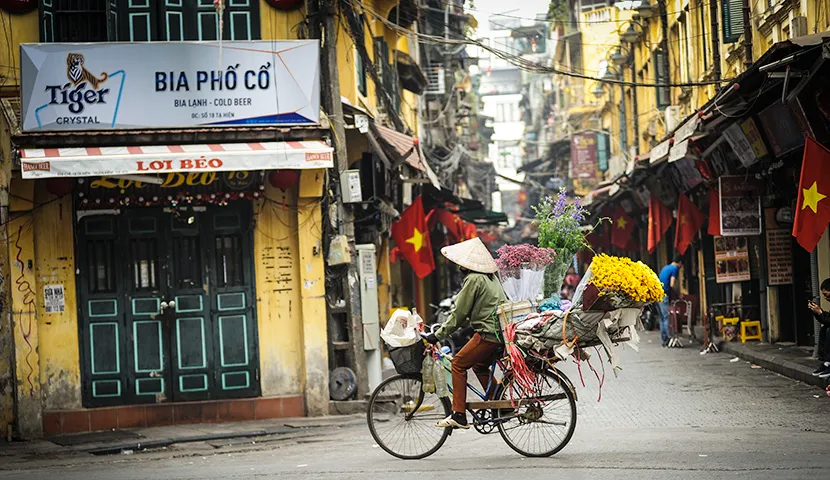
Vietnam offers safe and welcoming experiences for travelers of all backgrounds
2. Vietnam's Overall Safety Profile
Crime Rates and Tourist Safety
Vietnam consistently ranks as one of the safest countries in Southeast Asia for tourists. According to the U.S. Department of State, Vietnam is classified as a "Level 1" destination, meaning travelers should exercise normal precautions - the same level as most European countries and the United States.
Key safety statistics
-
Violent crime against foreigners is extremely rare
-
Petty theft (pickpocketing, bag snatching) is the most common concern
-
Scams targeting tourists exist but are easily avoidable with proper knowledge
-
Police response to incidents involving foreigners is generally prompt and professional
Local Attitudes Toward Tourists
Vietnamese people are known for their hospitality and friendliness toward visitors. The country's tourism industry has grown significantly over the past decade, and locals understand the importance of providing positive experiences for international guests. Most Vietnamese people will go out of their way to help tourists, whether it's providing directions, recommending local restaurants, or simply sharing a smile.
This welcoming atmosphere is one reason why Vietnam is safe to travel for tourists of all backgrounds.
Local insight: Vietnamese culture places high value on "face" and reputation, which means most businesses and individuals want to maintain positive relationships with visitors. This cultural aspect actually works in tourists' favor when it comes to safety and service quality.
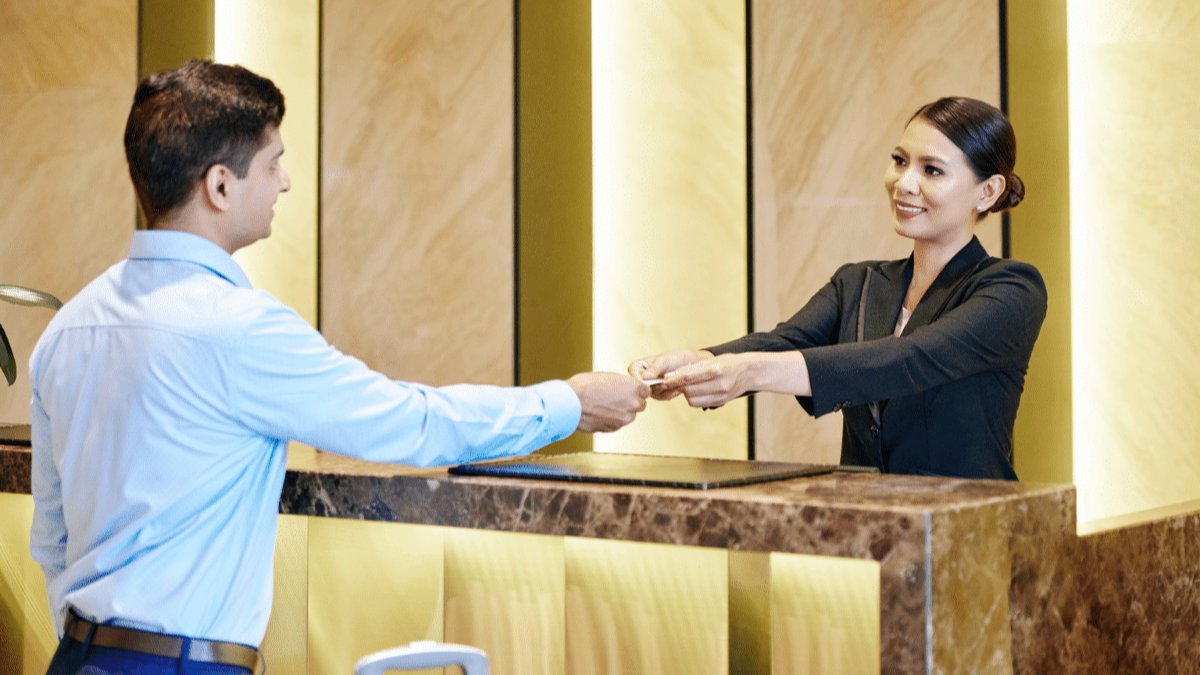
Vietnamese locals are known for their warm hospitality and willingness to help visitors
3. Common Scams and How to Avoid Them
Transportation Scams
Motorbike Taxi Scams: One of the most common scams involves motorbike taxis (xe om) overcharging tourists or taking longer routes. Some drivers may agree to a price and then demand more money upon arrival.
How to avoid: Use ride-hailing apps like Grab, which provide upfront pricing and driver verification. If using traditional motorbike taxis, always agree on a price before getting on the bike and confirm the destination clearly.
Taxi Scams: Some taxi drivers may use rigged meters or take unnecessarily long routes to increase fares.
How to avoid: Stick to reputable companies like Vinasun (white taxis) and Mai Linh (green taxis). These companies have strict standards and English-speaking drivers. Always ensure the meter is running and visible.
Money and Shopping Scams
Currency Confusion: The 500,000 VND and 20,000 VND notes are both blue and can be easily confused, leading to accidental overpayment.
How to avoid: Familiarize yourself with Vietnamese currency before arrival. Keep different denominations in separate pockets to avoid confusion. Always count your change carefully.
Fake Goods: Tourist areas often sell counterfeit items marketed as authentic products.
How to avoid: If a deal seems too good to be true, it probably is. Purchase from reputable stores and be prepared to pay higher prices for genuine items. Remember that authentic designer goods are rarely sold at street markets.

Being aware of common scams helps ensure a safe and enjoyable Vietnam experience
Street Vendor Scams
Photo Scams: Some vendors may offer to pose for photos and then demand payment afterward, or charge exorbitant fees for "free" samples.
How to avoid: Always ask about costs before taking photos or accepting samples. If someone approaches you offering free items, politely decline and walk away.
Shoe Shining Scams: Unscrupulous shoe shiners may damage shoes intentionally and then charge high fees for "repairs."
How to avoid: Politely decline unsolicited shoe shining services. If you need shoe cleaning, seek out established businesses with posted prices.
4. Transportation Safety in Vietnam
Road Safety Considerations
Vietnam's traffic can be chaotic and overwhelming for first-time visitors. The country has one of the highest traffic fatality rates in Southeast Asia, primarily due to the high number of motorbikes and varying traffic rules.
Key safety tips:
-
Always look both ways when crossing streets, even on one-way roads
-
Use designated crosswalks when available
-
Be extra cautious during rush hours (7-9 AM and 5-7 PM)
-
Avoid walking while using your phone near roadways
Understanding transportation safety is key to answering "Is Vietnam safe to travel?" for your trip.
Public Transportation Safety
Buses and Trains: Public transportation in Vietnam is generally safe and reliable. Long-distance buses offer comfortable sleeper options, while trains provide scenic journeys between major cities.
Safety measures:
-
Keep valuables close to your body
-
Use luggage locks for checked bags
-
Be aware of your surroundings at stations
-
Avoid traveling alone late at night
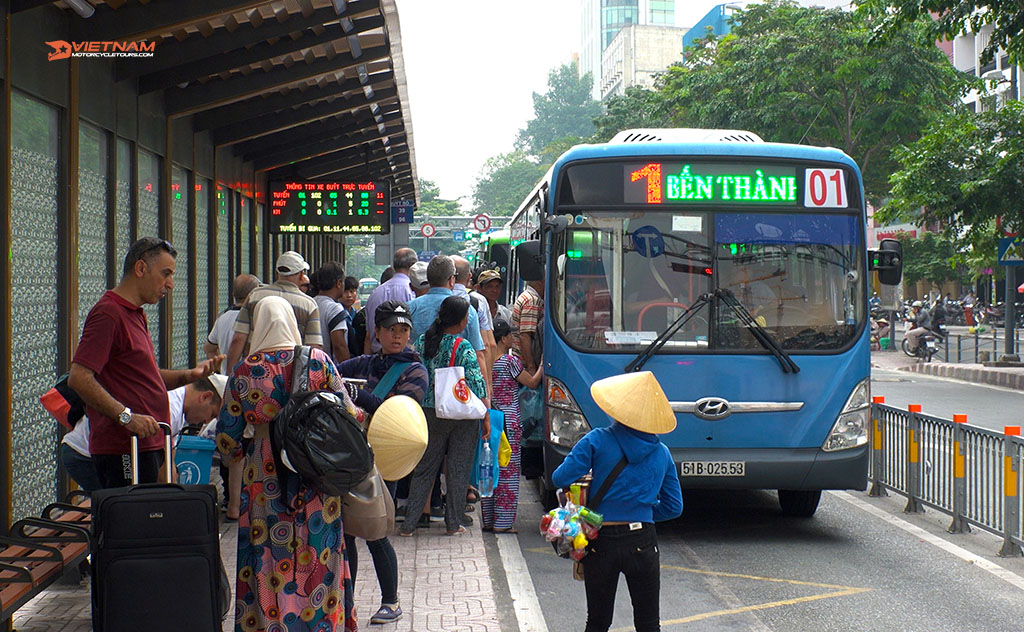
Vietnam's public transportation is generally safe and reliable for tourists
Motorbike Safety
Rental Considerations: While motorbike travel offers incredible freedom to explore Vietnam, it also comes with significant risks, especially for inexperienced riders.
Safety recommendations:
-
Only rent from reputable companies with proper insurance
-
Always wear a helmet
-
Ensure the bike is in good condition before renting
-
Consider guided tours instead of self-driving for inexperienced riders
-
Never leave your passport as collateral
5. Health and Food Safety
Food Safety Guidelines
Vietnamese cuisine is world-renowned for its fresh ingredients and bold flavors. However, food safety standards may differ from what Western travelers are accustomed to.
Safe eating practices:
-
Choose busy restaurants with high customer turnover
-
Avoid raw vegetables that haven't been properly washed
-
Drink bottled or boiled water only
-
Be cautious with street food in less touristy areas
-
Wash hands frequently or use hand sanitizer
Food safety is a major concern when asking "Is Vietnam safe to travel?" - these guidelines help ensure healthy dining.
Health Precautions
Medical considerations:
-
Major cities have international-standard hospitals
-
Rural areas may have limited medical facilities
-
Travel insurance with medical coverage is highly recommended
-
Carry basic medications for common ailments
-
Vaccinations for hepatitis A, typhoid, and tetanus are recommended
Common health concerns:
-
Air pollution in major cities can affect respiratory health
-
Mosquito-borne diseases like dengue fever exist in some areas
-
Food poisoning is rare but possible with improper food handling
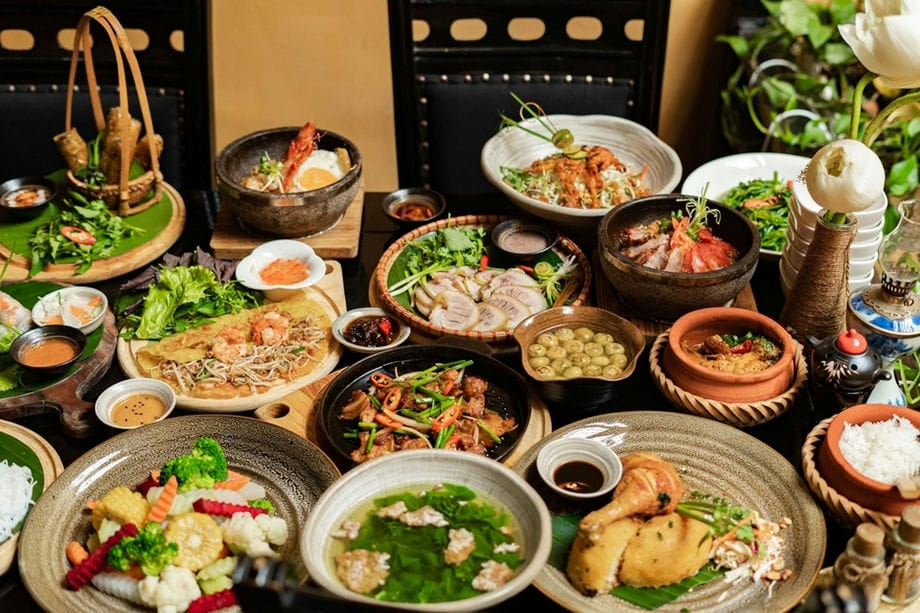
Vietnamese cuisine is delicious and generally safe when following basic food safety guidelines
6. Cultural Safety and Etiquette
Dressing Appropriately
Vietnamese culture is relatively conservative, especially in rural areas and religious sites. Dressing modestly shows respect for local customs and helps avoid unwanted attention.
Dress code guidelines:
-
Cover shoulders and knees when visiting temples and pagodas
-
Avoid revealing clothing in public
-
Remove shoes when entering homes or religious sites
-
Dress more formally when visiting government buildings or upscale establishments
Cultural Sensitivity
Respectful behavior:
-
Always ask permission before taking photos of people
-
Avoid public displays of affection
-
Don't point with your finger or feet
-
Remove hats when entering religious sites
-
Be patient and polite during interactions
Communication tips:
-
Learn basic Vietnamese phrases (hello, thank you, please)
-
Speak slowly and clearly in English
-
Use gestures and body language when needed
-
Be patient with language barriers

Understanding and respecting Vietnamese culture enhances your travel experience and safety
7. City-Specific Safety Information
Hanoi Safety
Hanoi, Vietnam's capital, is generally very safe for tourists. The Old Quarter is lively and well-lit, with a strong police presence.
Safety highlights:
-
Low crime rates, especially violent crime
-
Well-lit streets in tourist areas
-
Strong police presence in central districts
-
Safe for solo female travelers
Areas to exercise caution:
-
Narrow alleyways at night
-
Crowded markets (watch for pickpockets)
-
Less touristy areas after dark
Ho Chi Minh City Safety
Ho Chi Minh City (formerly Saigon) is Vietnam's largest city and generally safe for tourists, though it has a higher crime rate than Hanoi.
Safety considerations:
-
District 1 (tourist center) is well-policed and safe
-
Be extra cautious with phone snatching
-
Use reputable transportation services
-
Avoid isolated areas at night
Rural and Coastal Areas
Mountainous regions (Sapa, Ha Giang):
-
Generally very safe with low crime rates
-
Be cautious of weather conditions
-
Use reputable tour guides for trekking
-
Respect local ethnic minority customs
Coastal areas (Nha Trang, Phu Quoc):
-
Tourist areas are well-monitored and safe
-
Be cautious of water safety and currents
-
Use established beach services
-
Secure belongings when swimming
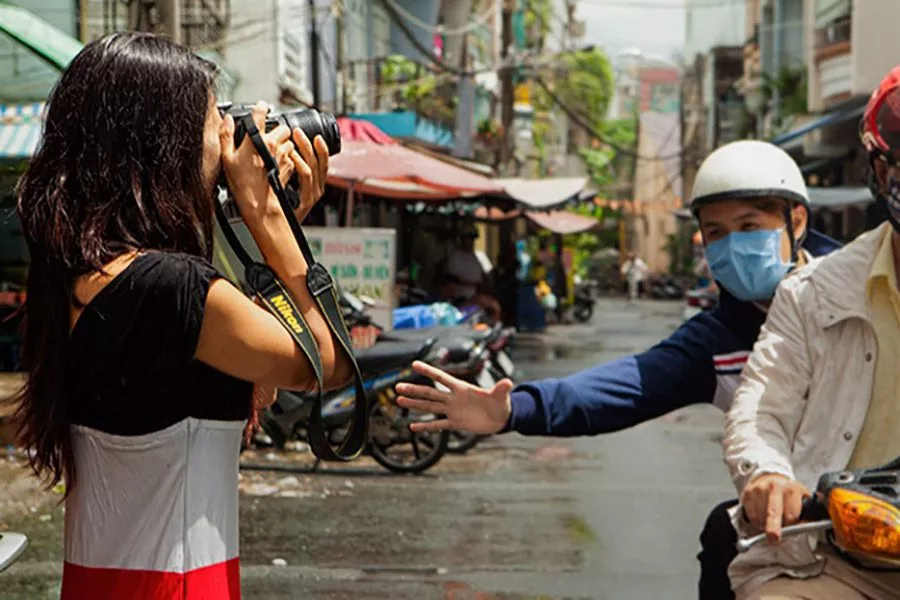
Different Vietnamese cities offer varying safety considerations for travelers
8. Emergency Contacts and Resources
Emergency Numbers
Vietnam Emergency Services:
-
Police: 113
-
Ambulance: 115
-
Fire Department: 114
-
Tourist Police: +84 24 3826 4555
Embassy and Consulate Information
Major Embassies in Hanoi:
-
U.S. Embassy: +84 24 3850 5000
-
U.K. Embassy: +84 24 3936 0500
-
Australian Embassy: +84 24 3774 0100
-
Canadian Embassy: +84 24 3734 5000
Tourist Support Services:
-
Vietnam National Administration of Tourism: +84 24 3942 3760
-
Tourist Police Hotline: +84 24 3826 4555
Travel Insurance Recommendations
Comprehensive travel insurance is essential for Vietnam travel, covering:
-
Medical emergencies and evacuation
-
Trip cancellation and interruption
-
Lost or stolen belongings
-
Transportation accidents
-
Natural disasters
9. GrandViet Tour: Your Safe Travel Partner
Why Choose GrandViet Tour for Safe Vietnam Travel?
GrandViet Tour stands as Vietnam's premier inbound tour operator, specializing in safe, authentic, and memorable travel experiences. Our deep local knowledge and established relationships with communities ensure that your Vietnam adventure is both secure and enriching.
We help answer "Is Vietnam safe to travel?" by providing secure, well-planned experiences.
Our safety commitment:
-
All guides are licensed and experienced professionals
-
Transportation partners meet international safety standards
-
Accommodations are carefully vetted for security
-
24/7 emergency support throughout your journey
-
Comprehensive insurance coverage for all tours
GrandViet Tour's Safety Achievements
As one of Vietnam's leading travel companies, GrandViet Tour has achieved numerous prestigious awards and recognitions that demonstrate our commitment to safety and excellence:
Industry Recognition:
-
Top 5 Travel Companies for welcoming Thai tourists consecutively in 2007, 2008, and 2009
-
"Quality Tourism Service" Award in 2013 for outstanding service standards
-
ASEAN Tourist Reception Champion for three consecutive years (2017, 2018, 2019) awarded by Vietnam Tourism Association (VITA)
Professional Memberships:
-
Founding Member of VietWorld Holidays group
-
Member of Pacific Asia Travel Association (PATA)
-
Member of Vietnam Tourism Association (VITA)
-
Member of UNESCO Hanoi Tourism Association
Safe Tour Packages
Our carefully crafted tour packages prioritize your safety while maximizing your Vietnam experience:
Luxury Tours:
-
Premium accommodations with 24/7 security
-
Private transportation with experienced drivers
-
Exclusive access to attractions with safety protocols
-
Personal tour guides for individual attention
Adventure Tours:
-
Certified guides for trekking and outdoor activities
-
Safety equipment and emergency protocols
-
Weather monitoring and route planning
-
Medical support for remote locations
Cultural Tours:
-
Authentic experiences with local communities
-
Cultural sensitivity training for guides
-
Safe food and accommodation standards
-
Respectful interaction protocols
10. Conclusion
Vietnam is indeed a safe destination for travelers, offering incredible experiences with minimal risk when proper precautions are taken. The country's low crime rates, welcoming locals, and well-established tourism infrastructure make it an excellent choice for both first-time visitors and experienced travelers. The answer to "Is Vietnam safe to travel?" is clearly yes.
By following the safety guidelines outlined in this guide, you can enjoy Vietnam's rich culture, stunning landscapes, and delicious cuisine without unnecessary concerns. Remember that most safety issues in Vietnam are easily avoidable with proper awareness and preparation. This comprehensive overview confirms that Vietnam is safe to travel with proper planning.
GrandViet Tour stands ready to be your trusted partner for safe Vietnam travel. Our expertise, local knowledge, and commitment to excellence ensure that your Vietnam experience will be nothing short of extraordinary. Whether you seek cultural immersion, adventure, relaxation, or luxury, we have the perfect safe tour package waiting for you.
Ready to explore Vietnam safely? Contact GrandViet Tour today to discover our exclusive package tours and begin planning the journey of a lifetime. Let us show you the real Vietnam - authentic, beautiful, safe, and unforgettable.11. Frequently Asked Questions (FAQ)
Q: Is Vietnam safe for solo female travelers? A: Yes, Vietnam is generally very safe for solo female travelers. The country has low crime rates, and Vietnamese people are respectful toward women. However, it's always wise to take basic precautions like avoiding isolated areas at night and dressing modestly.
Q: What are the most common scams in Vietnam? A: The most common scams include motorbike taxi overcharging, currency confusion (especially with 500,000 and 20,000 VND notes), fake goods, and unsolicited services like shoe shining. These are easily avoidable with proper awareness and using reputable services.
Q: Is it safe to drink tap water in Vietnam? A: No, it's not recommended to drink tap water in Vietnam. Stick to bottled water or boiled water to avoid potential health issues. Bottled water is readily available and inexpensive throughout the country.
Q: How safe is public transportation in Vietnam? A: Public transportation in Vietnam is generally safe and reliable. Buses and trains are well-maintained, and major cities have good public transit systems. However, always keep an eye on your belongings and avoid traveling alone late at night.
Q: What should I do if I encounter a scam or safety issue? A: If you encounter a scam or safety issue, remain calm and don't confront the person directly. Contact local police (113) or tourist police (+84 24 3826 4555). If you're on a GrandViet Tour, contact our 24/7 support line immediately.
Q: Are Vietnamese people friendly toward tourists? A: Yes, Vietnamese people are generally very friendly and welcoming toward tourists. They take pride in their hospitality and often go out of their way to help visitors. Learning a few basic Vietnamese phrases can enhance your interactions.
Q: Is it safe to rent a motorbike in Vietnam? A: Motorbike rental can be safe if you're an experienced rider and use reputable companies. However, Vietnam's traffic can be chaotic, and accidents are common. Consider guided tours or using public transportation if you're not confident in your riding skills.
Q: What emergency numbers should I know in Vietnam? A: Key emergency numbers in Vietnam include: Police (113), Ambulance (115), Fire Department (114), and Tourist Police (+84 24 3826 4555). It's also good to have your embassy's contact information readily available.
Other articles


© GrandViet Tour Co., Ltd. - International Tour Operator Licence 01-217/TCDL-GPLHQT.
Copyright © 2006 - 2020. All Rights Reserved.