

Travel Guide
How to Get Around Vietnam: Transport Options & Advice
Getting Around Vietnam made easy: flights, trains, buses, taxis, motorbikes, and boats. Times, costs, safety tips, and sample routes — plan smarter with GrandViet Tour.
1. Introduction: A Practical Guide to Moving Around Vietnam
Vietnam is long, diverse, and well-connected. From island‑hopping in Phu Quoc to mountain trains toward Lao Cai, Getting Around Vietnam can be smooth if you match the right transport to your distance, time, and comfort. This guide distills how locals move and how travelers can plan smarter.
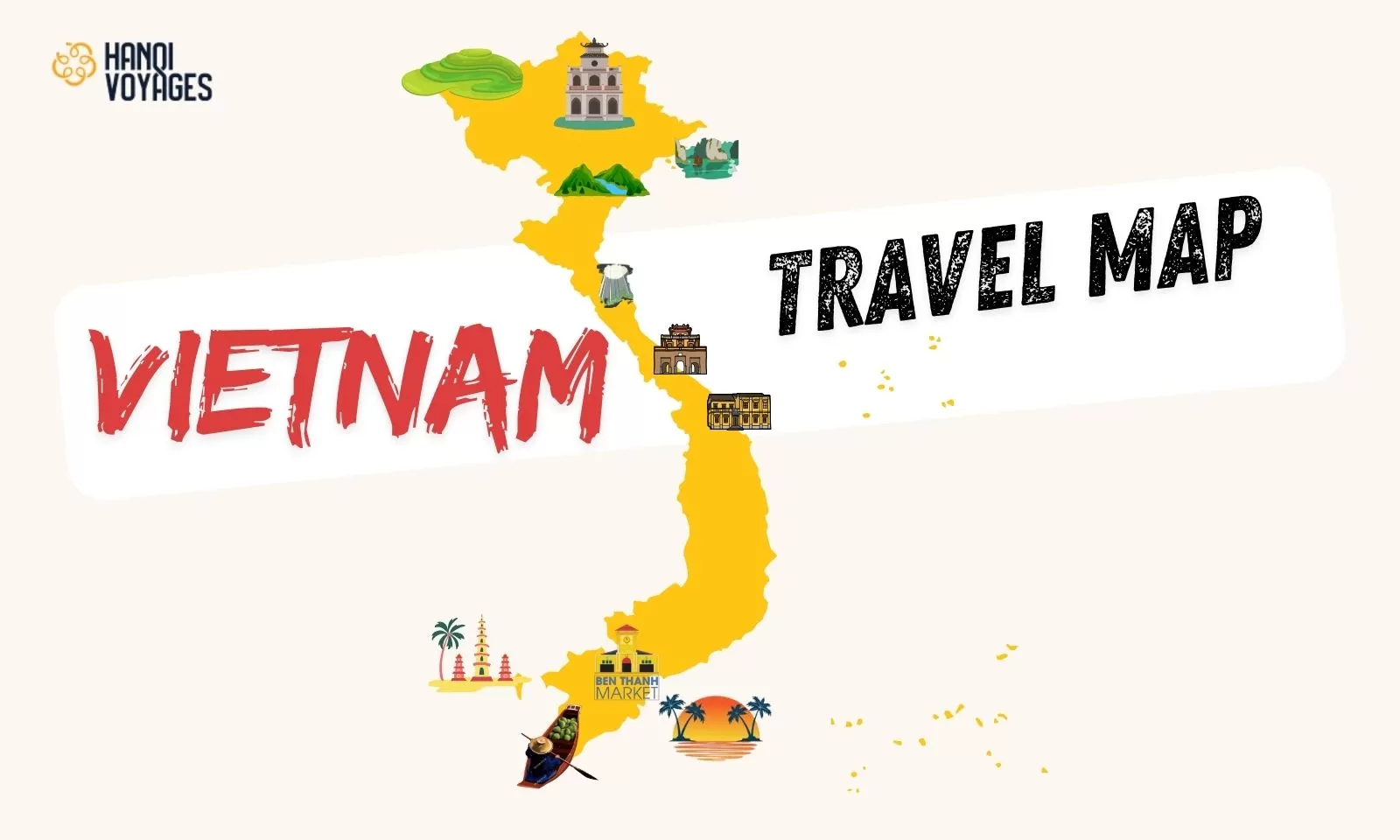
Vietnam’s S-shaped geography makes smart routing essential
2. Getting Around Vietnam: What to Expect by Distance and Region
Vietnam stretches 1,650 km north to south, so distances add up. For cross‑country hops, fly. For medium ranges, consider trains or high-quality coaches. For cities, rely on ride‑hailing, taxis, buses, or the emerging metro. Coastal and delta areas add boats to the mix. With these patterns in mind, Getting Around Vietnam becomes predictable, affordable, and fun.

Match transport to distance: fly long, rail scenic, bus budget, taxi/ride-hail in cities
3. By Air: Fastest for Long Distances
Domestic flights connect Hanoi, Da Nang, Ho Chi Minh City, Nha Trang, Da Lat, Hue, Phu Quoc, Quy Nhon, and more. Expect 1–2 hour hops that save a day of overland travel.
-
Major airlines: Vietnam Airlines, Vietjet Air, Bamboo Airways
-
Typical fares: budget promos from 800,000–1,500,000 VND one way (book early)
-
Baggage: low-cost carriers often charge extra — check fare rules before purchase
-
Airports: allow time for city transfers (e.g., SGN traffic), carry small cash for taxis
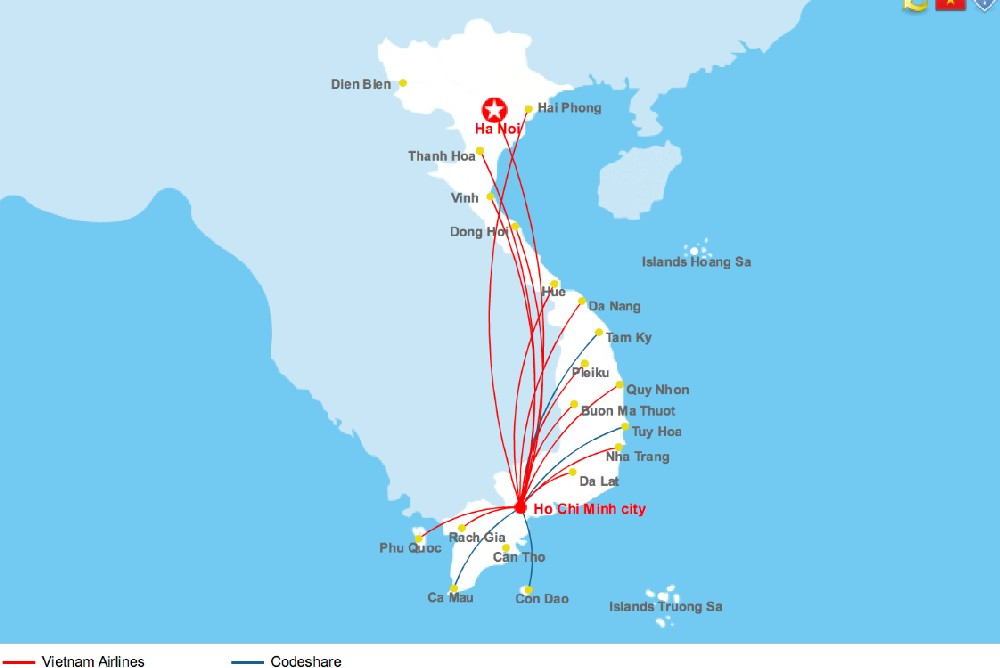
Domestic flights compress cross‑country routes into quick hops
4. By Rail: Scenic, Safe, and Social
Vietnam’s North–South railway links major coastal cities. Trains are slower than planes but comfortable, safe, and scenic. Choose soft seat for daytime journeys; 4‑berth sleepers are best overnight.
-
Pros: stable pricing, space to move, coastal scenery, social vibe
-
Cons: slower than flying; book early on holidays and weekends
-
Popular legs: Hanoi–Hue (13 h), Hue–Da Nang (2.5 h), Da Nang–Nha Trang (10 h)
-
Booking: official site https://vr.com.vn/en or reputable OTAs; bring passport info

The Reunification line offers coast-and-country views plus comfy sleepers
5. By Bus & Coach: Budget-Friendly Nationwide
Open‑tour and sleeper coaches reach destinations beyond the rail. Quality varies; choose reputable brands and expect frequent stops on day buses.
-
Pros: lowest cost, widest coverage (including highlands and deltas)
-
Cons: variable comfort, overnight sleepers can be bumpy
-
Tips: bring earplugs and a light blanket; secure small valuables; confirm drop‑off point
-
Typical legs: HCMC–Da Lat (6–7 h), Da Nang–Hue (3 h), Hanoi–Ha Long (3.5–4 h)

Sleeper buses connect hubs and smaller towns on tight budgets
6. City Transport: Taxis, Ride-Hailing, Buses, and Metro
In cities, combine taxis, ride‑hailing, public buses, and short walks. Ride‑hailing apps (Grab, Gojek, Be) give upfront prices and reduce negotiation. In Hanoi and HCMC, metro lines are rolling out, with more to come.
-
Taxis: Stick to reputable fleets (Vinasun, Mai Linh). Insist on the meter.
-
Ride‑hailing: Fast and cheap for short hops; motorbike options can beat traffic.
-
Public buses: Ultra‑cheap; use BusMap or Google Maps for routes and ETAs.
-
Metro (pilot/expanding): Useful on supported corridors; combine with buses/ride‑hails.
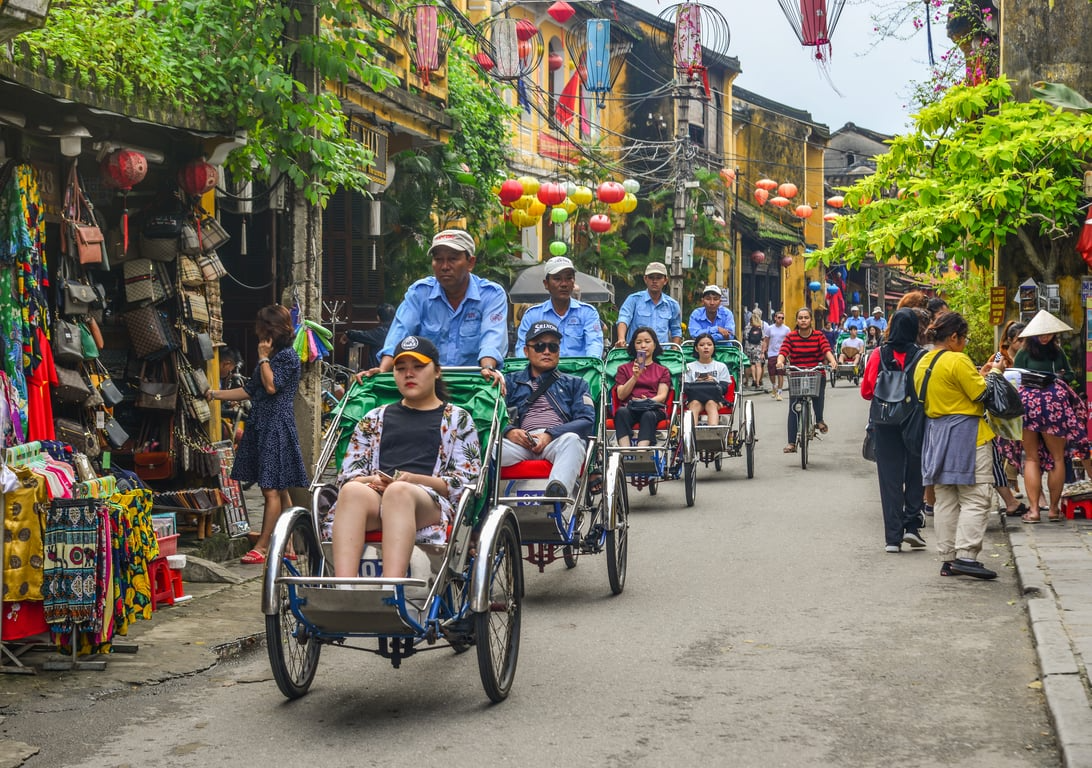
Ride‑hailing is the easiest way to navigate busy Vietnamese cities
7. Motorbikes & Bicycles: Freedom with Caution
Motorbikes are how locals move. Rentals cost 120,000–250,000 VND/day in most cities. Helmets are mandatory. To legally drive >50cc, you’ll need an IDP recognized in Vietnam or a local license.
-
Where it shines: coastal Da Nang–Hoi An, Phu Quoc loops, rural Ninh Binh lanes
-
Where to avoid: heavy urban rush hours if you’re inexperienced
-
Bicycles: ideal in Hoi An, Ninh Binh, and island towns; rentals 40,000–120,000 VND/day

Scooters offer flexibility; ride defensively and avoid peak traffic
8. Boats & Ferries: Islands, Bays, and Rivers
Waterways are part of the journey in Vietnam. Think Halong–Lan Ha bay cruises, Phu Quoc ferries, and Mekong Delta boats. Check seasonal weather, especially from June to October.
-
Halong–Lan Ha: day cruises and overnighters; calm seasons give best views
-
Phu Quoc ferries: Ha Tien/Rach Gia to Phu Quoc; seas can be choppy in monsoon
-
Mekong: day boats to floating markets; combine with cycling for variety

From karst bays to river deltas, boats unlock unique perspectives
9. Tickets, Apps, and Booking Tips
Smart tools simplify Getting Around Vietnam.
-
Aggregators: Baolau, 12Go for comparing trains, buses, ferries (factor service fees)
-
Airlines: book direct for baggage clarity and schedule change support
-
Urban mobility: Grab/Gojek/Be for rides; BusMap for local buses; Google Maps offline
-
Payments: cash is king; small bills help for taxis, parking, and snacks
.png)
A few well‑chosen apps cover most routes and cities
10. Typical Times & Sample Routes
Approximate one‑way travel times (normal conditions):
-
Hanoi ↔ Ho Chi Minh City: flight 2 h; rail 32–35 h; coach 33–37 h
-
Hanoi ↔ Da Nang: flight 1 h 20 m; rail 16–19 h; coach 14–17 h
-
HCMC ↔ Nha Trang: flight 1 h 05 m; rail 8–9 h; coach 8 h
-
Hue ↔ Da Nang: rail 2.5 h; coach 3 h
-
Hanoi ↔ Ha Long: coach 3.5–4 h; rail 7 h (route dependent)
Sample 10‑day north‑to‑central routing:
- Day 1–2 Hanoi (walk + ride‑hail)
- Day 3 Ha Long/ Lan Ha (cruise)
- Day 4–5 Ninh Binh (bicycle + boat)
- Day 6–7 Hue (train from Ninh Binh/Hanoi)
- Day 8–9 Da Nang & Hoi An (train/bus; motorbike optional)
- Day 10 fly to HCMC or back to Hanoi
11. Costs, Safety, and Local Etiquette
-
Ballpark costs: city taxi 12,000–16,000 VND/km; motorbike rental 120,000–250,000 VND/day; bicycle 40,000–120,000 VND/day; buses cheapest; trains mid‑range; flights vary by season.
-
Safety: wear helmets; use seatbelts; keep valuables zipped; cross streets slowly and predictably.
-
Scams to avoid: unmetered taxis, “closed attraction” detours, fake ticket sites. Book direct or through trusted providers.
-
Etiquette: queue politely; lower your voice on shared transport; ask before photographing people; dress modestly in temples.
12. Planning Support: Getting Around Vietnam with GrandViet Tour
With deep local knowledge, GrandViet Tour designs routes that reduce backtracking and build in the right transport for each leg. We secure reliable tickets, vetted drivers, and timed entries for smoother days. Whether you want efficient city hops, slow rail panoramas, or island add‑ons, our package tours keep logistics stress‑free.
-
Custom itineraries that balance flights, rail, and road
-
Safe private transfers (English‑speaking drivers) for day trips and airport runs
-
24/7 on‑spot support if plans change
13. Conclusion
Getting Around Vietnam is straightforward once you match distance to the smartest mode: fly long, ride rail for views, bus for budgets, and use ride‑hailing in cities. Add boats where water shapes the landscape. With thoughtful sequencing — or with GrandViet Tour handling the details — you’ll spend less time in transit and more time savoring culture, cuisine, and scenery.
14. Frequently Asked Questions
Q1: What’s the best way for Getting Around Vietnam on a 2‑week trip?
Fly the longest leg (north ↔ south), use the train for Hue–Da Nang, and mix buses or private cars for Ninh Binh, Mekong, or Da Lat.
Q2: Is the train better than buses for Getting Around Vietnam?
For comfort and scenery, yes — especially on coastal stretches. Buses reach more places and are cheaper, but comfort varies.
Q3: Do I need a license for motorbike rental?
Yes for >50cc. Bring an IDP recognized in Vietnam or obtain a local license. Always wear a helmet and ride defensively.
Q4: Are ride‑hailing apps reliable in Vietnam?
Yes. Grab, Gojek, and Be work well in major cities with upfront pricing. Keep small cash handy even if you select card in‑app.
Q5: How far in advance should I book transport?
Book flights and trains at least a few days ahead; earlier for holidays (especially Tet). City rides and buses can be booked same day.
Q6: What’s the cheapest way for Getting Around Vietnam?
City buses and long‑distance coaches are cheapest. Trains are mid‑range; planes can be cheap on promo sales if you book early.
Q7: Can GrandViet Tour arrange all transport for me?
Absolutely. We combine flights, trains, private cars, and boats into one seamless plan with local support throughout.
Other articles








© GrandViet Tour Co., Ltd. - International Tour Operator Licence 01-217/TCDL-GPLHQT.
Copyright © 2006 - 2020. All Rights Reserved.