

Travel Guide
Domestic Flights in Vietnam: What Tourists Should Know
Flights in Vietnam made easy: routes, airlines, prices, baggage, and airport tips. Book smart and travel smoothly with GrandViet Tour expert support.
1. Introduction: Why Fly Within Vietnam?
Vietnam stretches over 1,650 km from north to south. Mountains, deltas, and coastline make the landscape spectacular—and distances long. Domestic air travel keeps your itinerary tight. For 2–3 week trips, flights turn day‑long overland journeys into 1–2 hour hops, leaving more time for food, culture, and scenery.
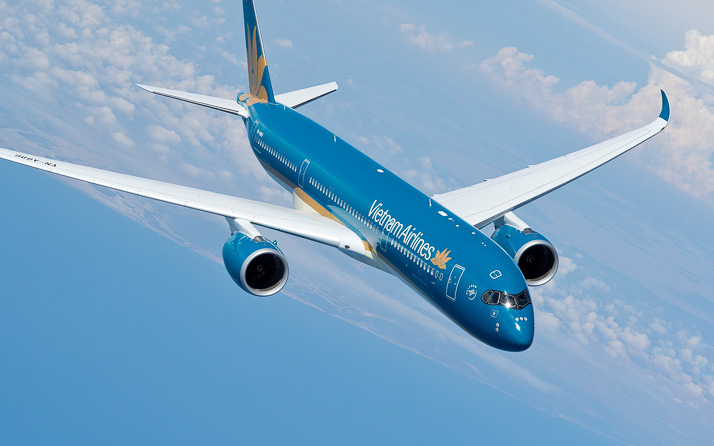
Domestic flights compress long routes so you can see more with less transit
2. Flights in Vietnam: Fastest Way Across a Long Country
For cross‑country moves (Hanoi ↔ Ho Chi Minh City), Flights in Vietnam save a full day compared to rail or coach. For regional jumps (Hanoi ↔ Da Nang, HCMC ↔ Nha Trang), flying is often the sweet spot between time and cost. Use planes to bridge the long legs, then slow down by train, bus, or boat where scenery is best.
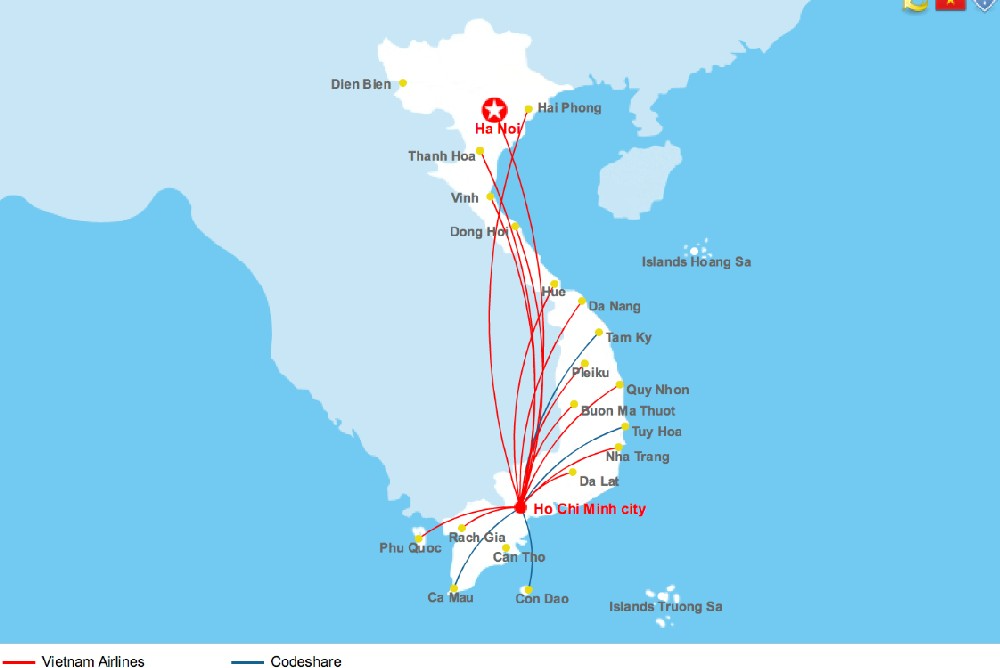
Use flights for long distance, then mix slower transportation to capture scenic views
3. Airlines, Airports, and Route Network
Vietnam’s aviation market is competitive. You’ll find a national full‑service carrier and multiple low‑cost options. Coverage reaches all major tourist hubs and many secondary cities.
3.1. Major Airlines
-
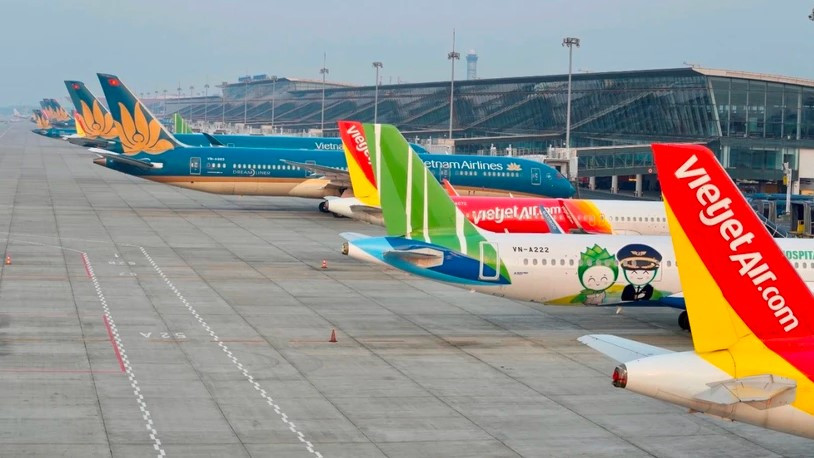
Vietnam Airlines (full‑service; broad network, interline options)
-
Vietjet Air (low‑cost; frequent promos and wide domestic coverage)
-
Bamboo Airways (hybrid model; competitive fares and service)
-
Pacific Airlines & VASCO (selected routes; regional operations)
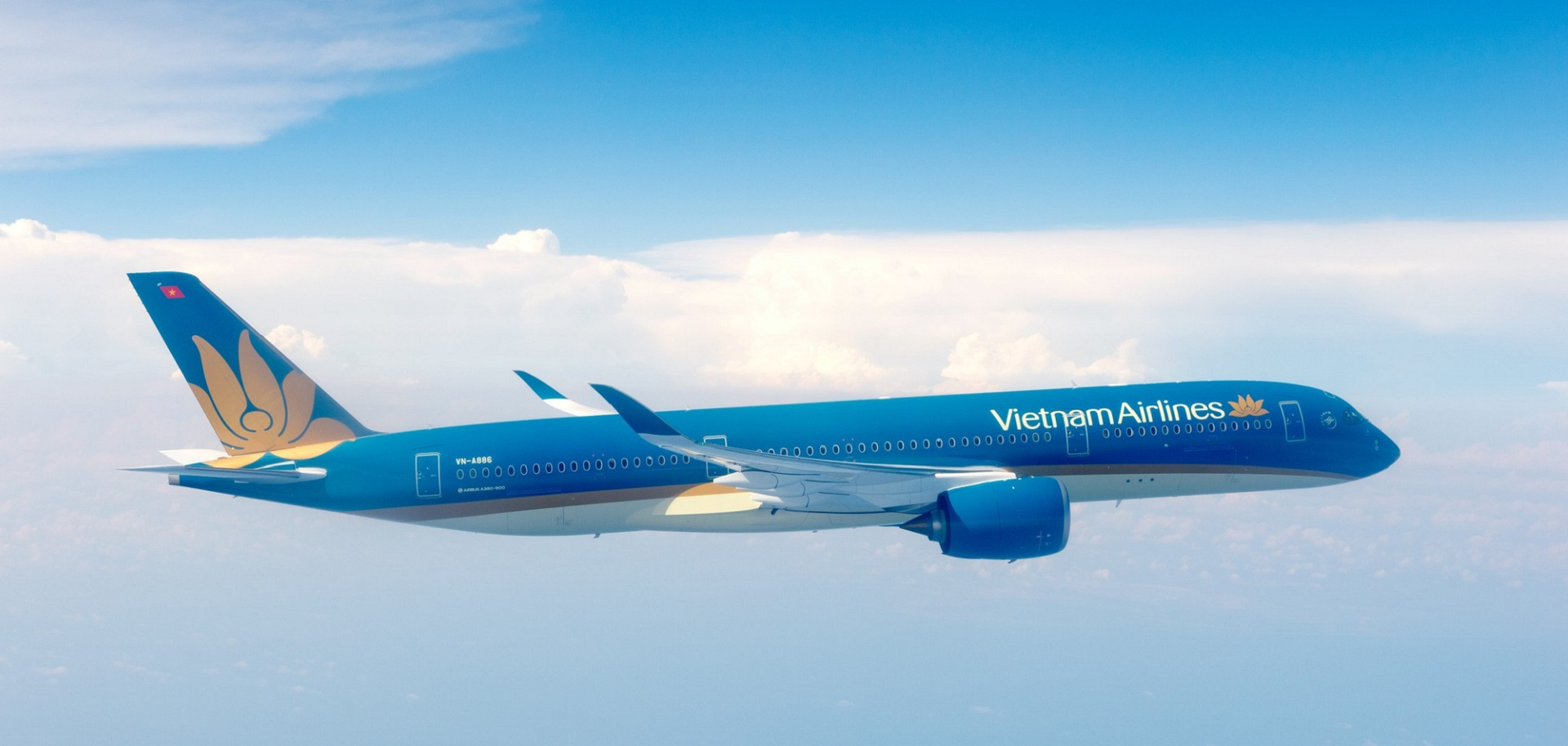
Major carriers cover all key city pairs with multiple daily frequencies
3.2. Key Hubs and Popular Airports
-
Hanoi — Noi Bai (HAN): gateway to the north, Sapa and Ha Long access
-
Ho Chi Minh City — Tan Son Nhat (SGN): busiest hub, southern gateway
-
Da Nang (DAD): central hub for Hoi An, Hue, and beach cities
-
Cam Ranh (CXR): Nha Trang coast
-
Phu Quoc (PQC): island paradise with frequent links to HAN/SGN
-
Hue (HUI), Dalat (DLI), Quy Nhon (UIH), Can Tho (VCA): growing networks
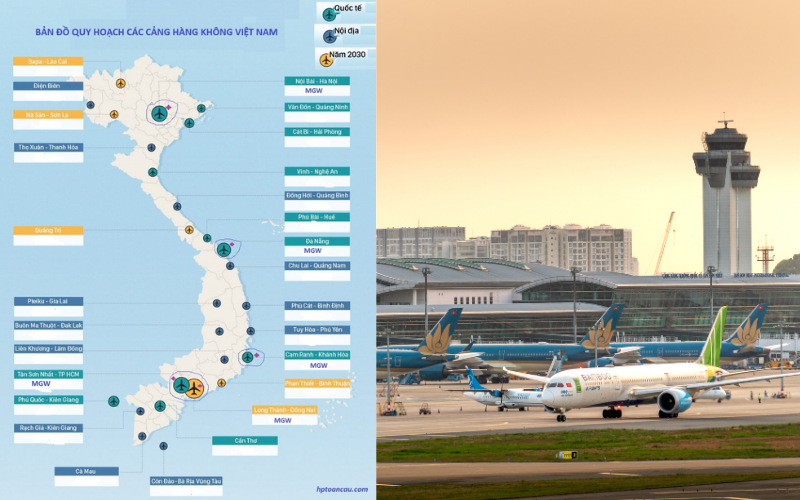
Three hubs—HAN, DAD, SGN—anchor the domestic network; islands and highlands branch off
3.3. Common Routes and Typical Flight Times
-
Hanoi ↔ Ho Chi Minh City: ~2 h
-
Hanoi ↔ Da Nang: ~1 h 20 m
-
Ho Chi Minh City ↔ Da Nang: ~1 h 20 m
-
Ho Chi Minh City ↔ Nha Trang: ~1 h 05 m
-
Hanoi ↔ Hue: ~1 h 10 m
-
Hanoi ↔ Phu Quoc: ~2 h
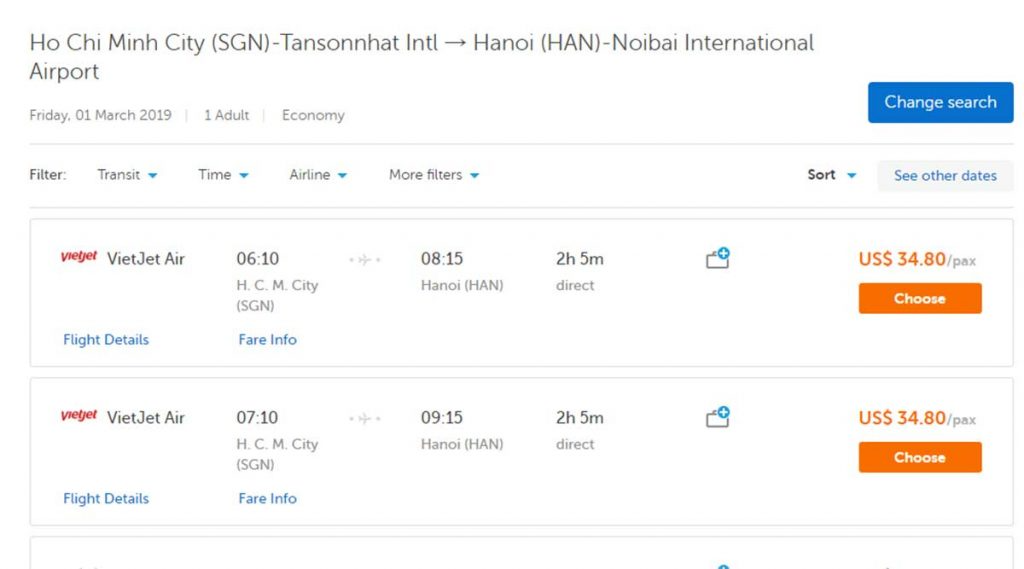
Most domestic sectors take under two hours door‑to‑door (airside time)
4. When to Fly: Seasons, Holidays, and Price Waves
Weather varies by region. Prices fluctuate with school holidays, weekends, and events.
-
Shoulder months (Feb–Apr, Sep–Oct) offer smoother weather and lower fares
-
High summer (Jun–Aug): busier routes, higher prices, more families traveling
-
Tet (Lunar New Year) and national holidays: sell‑outs, surge pricing, book early
-
Typhoon season (mainly Sep–Nov on the central coast): allow buffer time
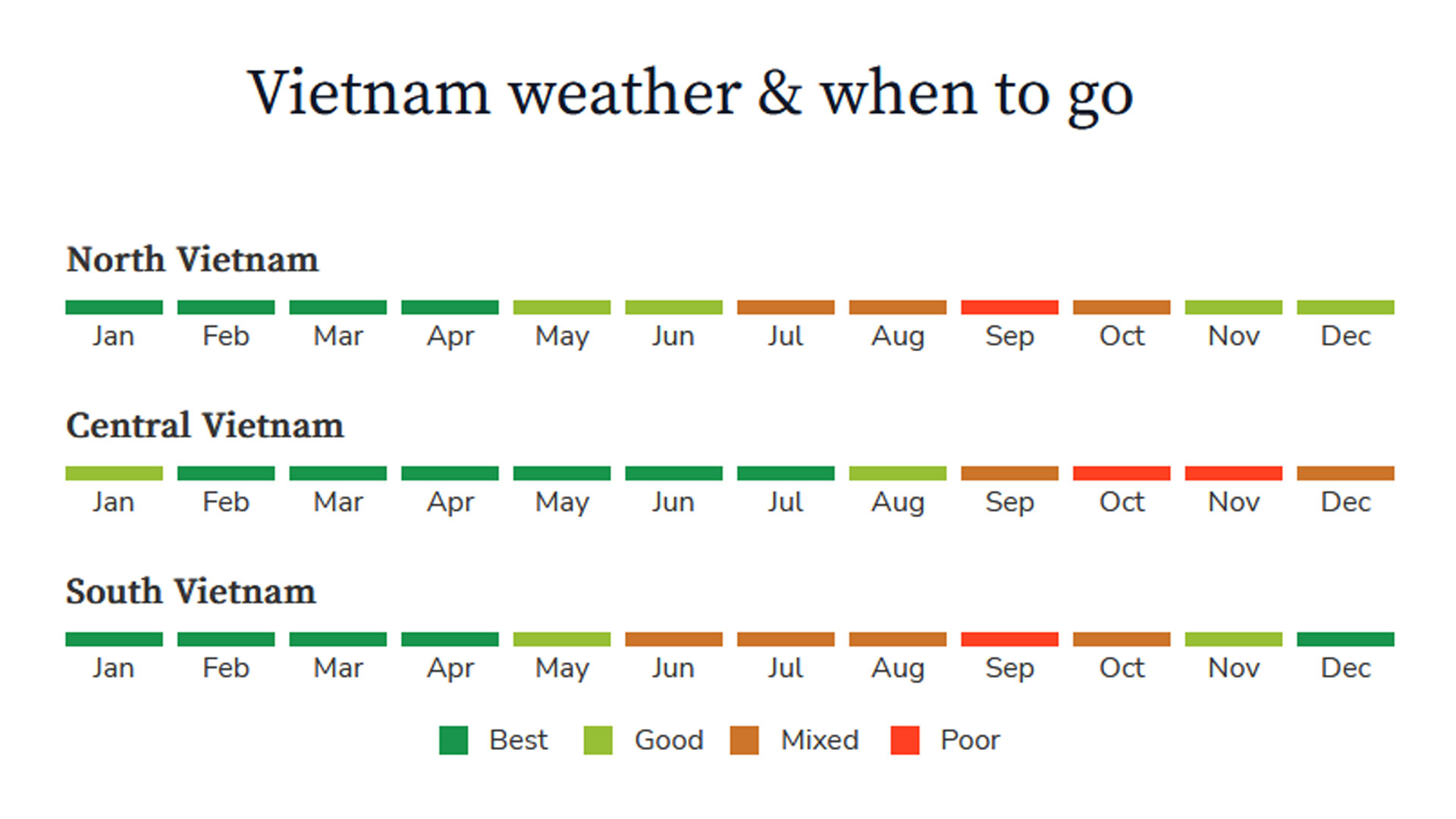
Shoulder seasons balance price, weather, and crowds
5. Prices and How to Save on Flights in Vietnam
Baseline one‑way domestic fares often range from 900,000–1,900,000 VND (≈ US$35–80), depending on route and timing. You can pay less on sale fares or more on peak days.
-
Search early, then track fares for a few days before buying
-
Fly mid‑week and at off‑peak hours
-
Travel light: low‑cost carriers charge for checked bags and seat selection
-
Compare direct airline sites with reputable aggregators; check baggage rules before paying
6. Baggage, Fees, and Seat Selection
Carry‑on is typically 7–10 kg per person depending on airline and fare class. Checked baggage is rarely included on the cheapest tickets; bundles are available.
-
Confirm cabin allowance; weigh bags at your hotel before heading to the airport
-
Add checked bags during booking to avoid higher airport fees
-
Seat selection fees vary; exit‑row and front‑of‑cabin seats cost more
-
Keep your payment card handy for check‑in verification on some carriers
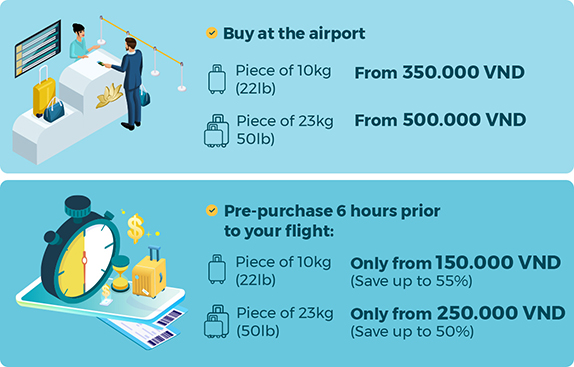
Know your fare class; pre‑purchase baggage for best value
7. Airport Transfers and City Access
Getting between airport and city is straightforward with metered taxis, ride‑hailing (Grab, Be, Gojek), shuttles, and express buses.
-
HAN: taxi/Grab ~45–60 min to Old Quarter; express bus 86 to the station
-
SGN: 30–60 min to District 1; airport buses 109/49; plentiful ride‑hailing
-
DAD: 10–20 min to downtown; 30–45 min to Hoi An by car or shuttle
.png)
Trusted taxi fleets and ride‑hailing keep transfers simple and predictable
8. Booking Channels, Apps, and Payments
Book direct with airlines for clearer baggage and change rules. Use trusted platforms to compare options, but double‑check fare conditions.
-
Airline apps: manage bookings, mobile boarding passes, same‑day changes
-
Aggregators: helpful for schedules and price alerts (service fees may apply)
-
Payments: cards widely accepted online; keep small cash for airport incidentals
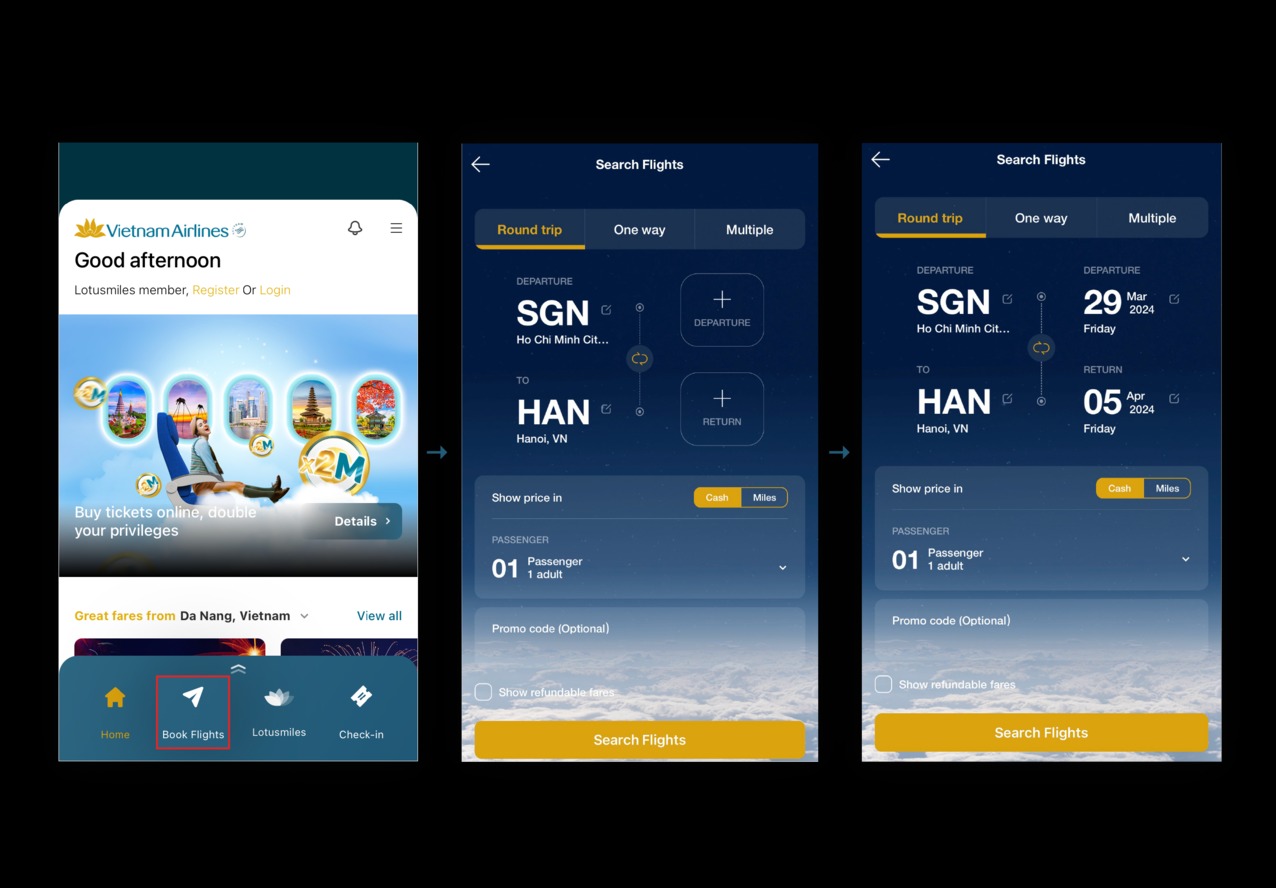
A few good apps cover searching, booking, and airport navigation
9. Safety, Reliability, Delays, and Rebooking
Flights in Vietnam are safe and regulated. Delays can happen in peak hours and during storms. Plan buffers for tight connections.
-
Morning departures are less delay‑prone
-
Sit near the front for faster deplaning if you have transfers
-
If disrupted, contact the airline app or desk early; know your fare’s change policy

Morning flights and sensible buffers reduce stress on busy routes
10. Sample Itineraries Using Flights in Vietnam
-
7 days (north + central): Hanoi → Ha Long (overland) → fly HAN→DAD → Hoi An → Hue → fly DAD→Hanoi
-
10 days (classic S‑shape): Hanoi → Ninh Binh → fly HAN→Da Nang → Hoi An → fly DAD→HCMC → Mekong Delta
-
14 days (islands and caves): Hanoi → fly HAN→Dong Hoi (Phong Nha) → fly DAD→HCMC → fly HCMC→Phu Quoc → HCMC
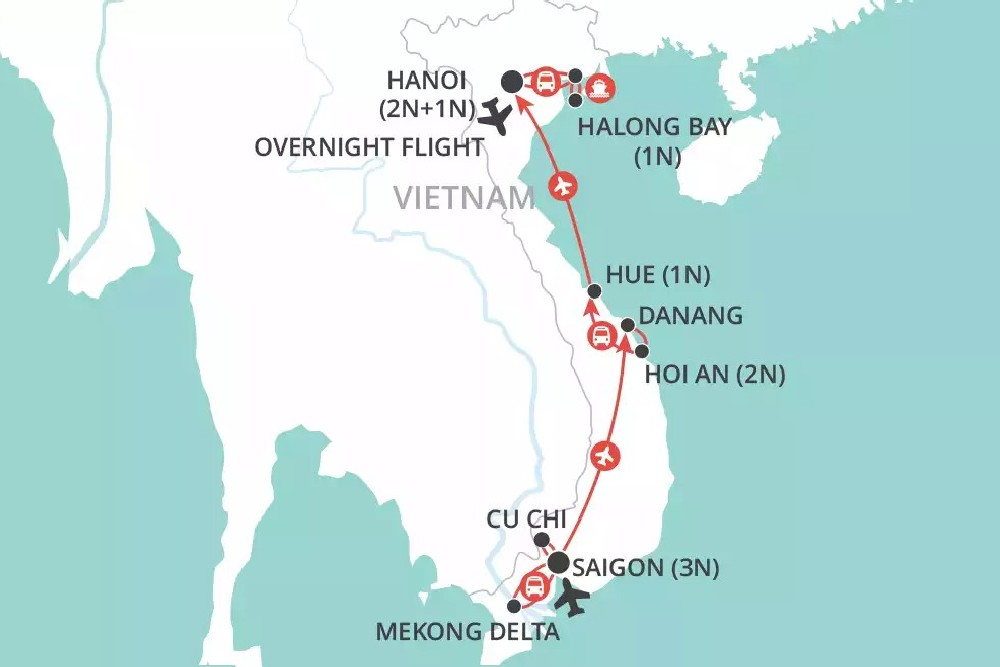
Use flights as “bridges” and keep scenic segments on land or water
11. Combining Flights with Trains, Buses, and Boats
Fly the longest legs, then switch to Vietnam’s scenic modes. The Hai Van Pass railway (Hue–Da Nang) is superb. Buses reach places off the tracks. Boats unlock Ha Long–Lan Ha bays and the Mekong.
-
Train: choose 4‑berth sleepers for overnights; soft seat for short day legs
-
Bus: use reputable brands; bring a light layer and earplugs
-
Boat: confirm weather windows, especially in monsoon months
Multimodal travel balances speed, scenery, and budget
12. Flying with Kids, Mobility Needs, and Special Gear
Family and accessibility services are improving across airports and airlines.
-
Pre‑assign seats together or buy “family seating” bundles when needed
-
Request wheelchair assistance in advance; allow extra time at security
-
Sports gear: check airline rules for surfboards, golf bags, or trekking poles
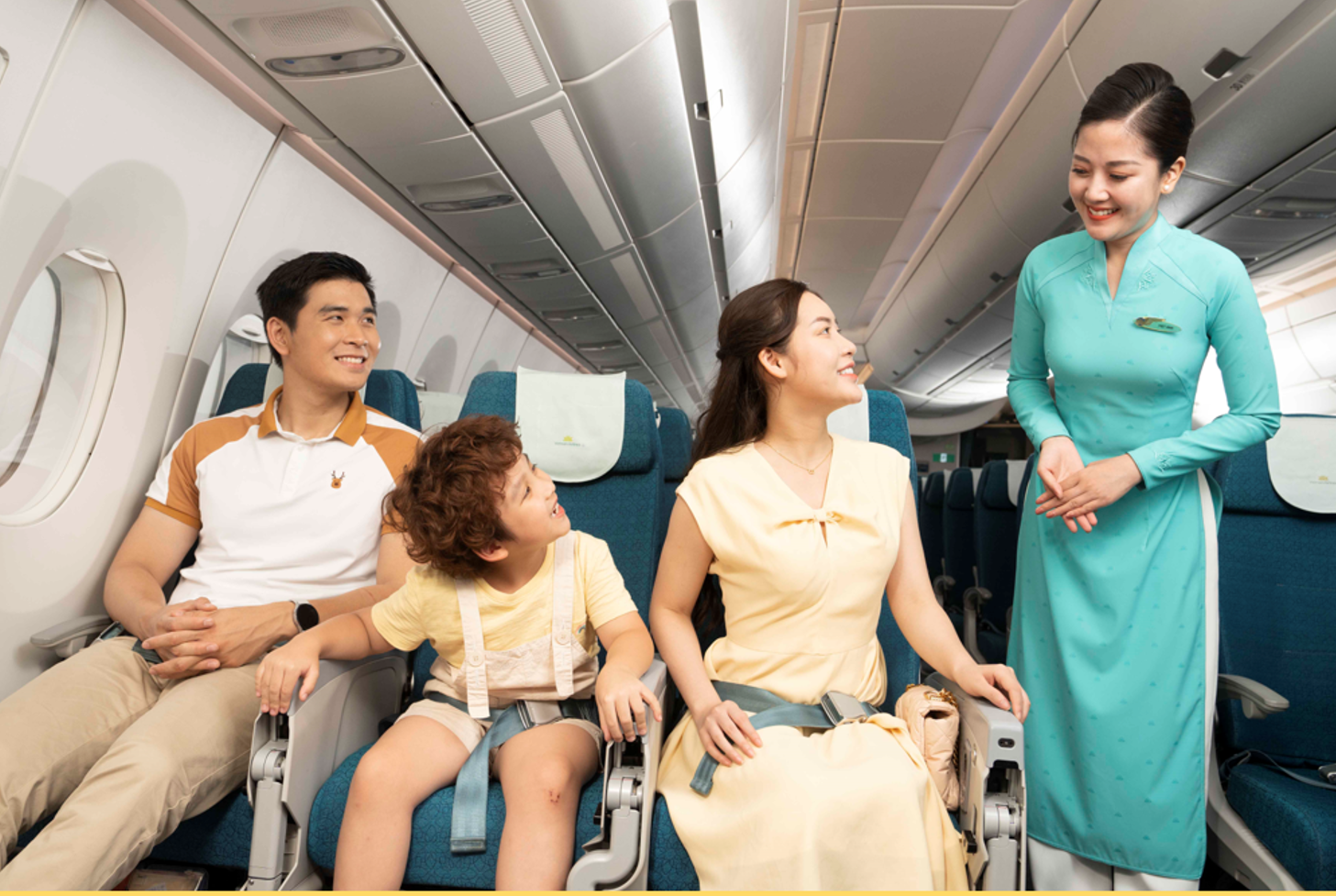
Pre‑arranged seating and assistance keep family travel smooth
13. Plan Your Trip with GrandViet Tour
GrandViet Tour designs seamless routes that use Flights in Vietnam where they save time—and slower modes where they enrich the journey. We handle ticketing, baggage bundles, private transfers, and weather‑aware sequencing, so your days flow better.
-
Balanced pacing: fewer hotel swaps, smarter flight times
-
Trusted logistics: vetted drivers, on‑time pick‑ups, and flight monitoring
-
24/7 on‑spot support when conditions change
14. Conclusion
Used well, Flights in Vietnam give you more moments on rice terraces, beaches, and night markets—and fewer hours on the highway. Book early, travel light, build buffers, and pair planes with trains, buses, and boats for the best of all worlds. When you want everything aligned, GrandViet Tour makes it effortless.
15. Frequently Asked Questions
Q1: How far in advance should I book Flights in Vietnam?
Book 2–6 weeks ahead for regular travel, earlier for Tet or peak summer. Sales can appear 1–3 months out.
Q2: What’s a typical one‑way fare?
About 900,000–1,900,000 VND (≈ US$35–80) depending on route, season, and baggage. Sales can drop below this.
Q3: Do low‑cost carriers include baggage?
Usually not. Add checked bags during booking for the best price; verify cabin weight limits.
Q4: Are Flights in Vietnam reliable during typhoon season?
Yes, but weather can cause delays or re‑timings—especially Sep–Nov on the central coast. Keep flexible buffers.
Q5: Which routes benefit most from flying?
Hanoi ↔ Ho Chi Minh City; Hanoi/Ho Chi Minh City ↔ Da Nang; HCMC ↔ Nha Trang/Phu Quoc; Hanoi ↔ Hue/Phu Quoc.
Q6: Can GrandViet Tour arrange my flights and transfers?
Absolutely. We combine flights, private cars, and scenic rail for a smooth, time‑saving plan with 24/7 support.
Other articles









© GrandViet Tour Co., Ltd. - International Tour Operator Licence 01-217/TCDL-GPLHQT.
Copyright © 2006 - 2020. All Rights Reserved.