

Travel Guide
Best Trekking & Hiking Trails in Vietnam for Nature Lovers
Discover Vietnam's best trekking and hiking trails for nature lovers, from Sapa's terraced rice fields to Ha Giang's mountain passes. Plan your adventure with GrandViet Tour's expert guidance and guided hiking tours.
1. Introduction: Vietnam's Trekking and Hiking Paradise
Vietnam offers some of Southeast Asia's most spectacular trekking and hiking opportunities, combining breathtaking natural landscapes with rich cultural experiences. From the misty mountains of the north to the lush highlands of the central region, the country's diverse terrain provides trails suitable for all skill levels. Whether you're a seasoned hiker seeking challenging mountain routes or a nature enthusiast looking for gentle walks through ethnic minority villages, Vietnam's trekking and hiking trails promise unforgettable adventures. This comprehensive guide to trekking and hiking in Vietnam will help you discover the best trails and plan your perfect adventure. The country's trekking and hiking scene offers something for everyone, from gentle village walks to challenging mountain ascents.
2. Sapa - The Crown Jewel of Vietnam Trekking
.png)
Sapa's iconic terraced rice fields and mountain vistas
Sapa, located in Vietnam's northwestern Lao Cai Province, stands as the country's premier trekking destination. This mountainous region offers trails that wind through stunning terraced rice fields, past traditional ethnic minority villages, and up to breathtaking mountain peaks. The area is home to several ethnic groups, including the Hmong, Dao, and Tay people, who maintain their traditional lifestyles and colorful cultural traditions.
The most popular trekking routes include the Cat Cat Village trail, which offers relatively easy walking through picturesque valleys, and the more challenging Fansipan Peak ascent, known as the "Roof of Indochina" at 3,143 meters. For a truly immersive experience, consider staying in local homestays where you can learn about traditional farming methods and sample authentic local cuisine. The best time to visit Sapa for trekking is from September to November, when the rice terraces turn golden, or from March to May during the spring planting season.
3. Ha Giang Loop - Adventure Trekking at Its Finest
.png)
Dramatic mountain scenery along the Ha Giang Loop
The Ha Giang Loop offers some of Vietnam's most challenging and rewarding trekking experiences. This remote region in Vietnam's northernmost province features dramatic limestone karst formations, deep valleys, and winding mountain passes that provide jaw-dropping views at every turn. The area is particularly famous for the Ma Pi Leng Pass, often called Vietnam's most beautiful mountain pass.
Trekking in Ha Giang typically involves multi-day adventures that combine hiking with homestay experiences in ethnic minority villages. Popular routes include the Dong Van Plateau trek, which takes you through Hmong and Dao villages, and the Lung Cu Flag Tower trail, offering panoramic views of the border with China. The region's challenging terrain makes it ideal for experienced hikers, though guided tours can accommodate various fitness levels.
4. Mai Chau Valley - Gentle Trekking Through Rural Vietnam

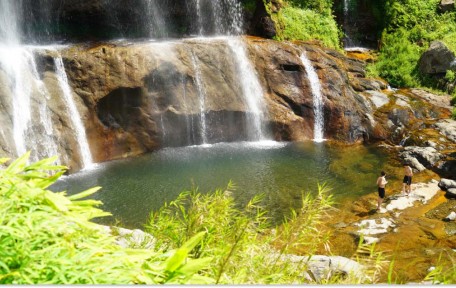
Peaceful valley landscapes and traditional Thai villages
Mai Chau Valley, located in Hoa Binh Province, offers gentler trekking options perfect for beginners or those seeking a more relaxed hiking experience. This picturesque valley is home to the Thai ethnic minority, known for their traditional stilt houses and rich cultural heritage. The trekking trails here wind through lush rice paddies, past traditional villages, and along peaceful streams.
The valley's relatively flat terrain makes it accessible to hikers of all ages and fitness levels. Popular routes include the Pom Coong Village trail, which offers insights into traditional Thai culture, and the Lac Village circuit, where you can observe traditional weaving and farming practices. The best time to visit Mai Chau is from September to November, when the rice fields are at their most beautiful, or during the spring months when the landscape is lush and green.
5. Trekking Preparation and Safety Tips
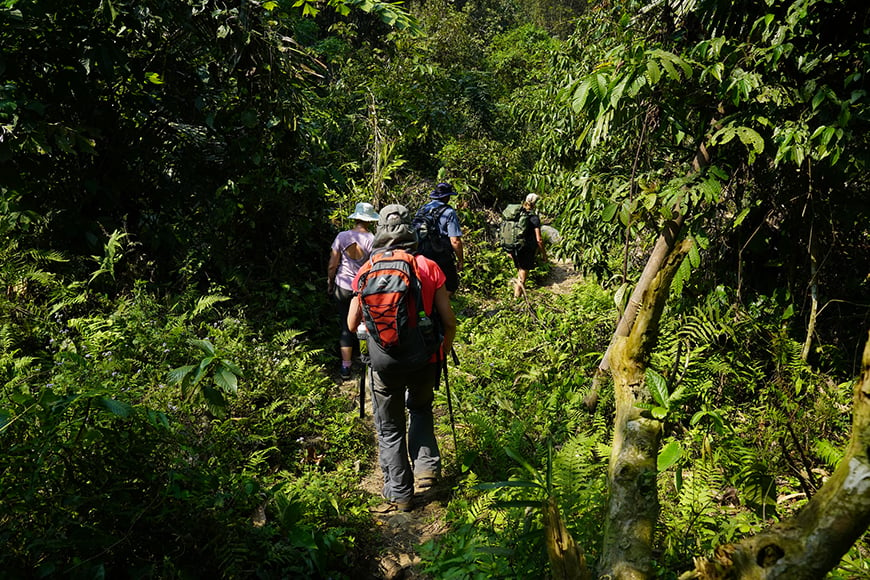
Essential gear and preparation for Vietnam trekking
Before embarking on any trekking adventure in Vietnam, proper preparation is essential for a safe and enjoyable experience. Always check weather conditions and trail accessibility, especially during the monsoon season from May to September. Pack appropriate gear including sturdy hiking boots, rain protection, and sufficient water and snacks.
Consider hiring local guides for remote areas, as they provide valuable insights into local culture and ensure your safety on unfamiliar trails. Respect local customs and traditions, especially when visiting ethnic minority villages. Always carry a first-aid kit and emergency contact information, and inform someone of your trekking plans before setting out.
6. Best Seasons for Trekking in Vietnam
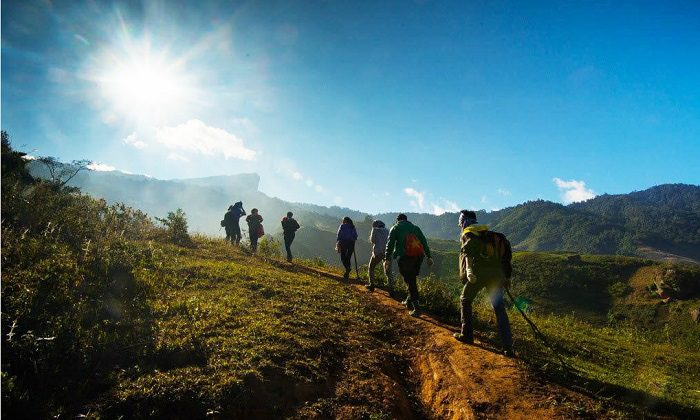
Seasonal considerations for different regions
Vietnam's diverse geography means that the best trekking seasons vary significantly by region. Northern Vietnam, including Sapa and Ha Giang, offers optimal conditions from September to November and March to May, avoiding the cold winter months and hot, wet summers. Central Vietnam's highlands, including Da Lat and Bach Ma, provide pleasant trekking year-round thanks to their moderate climates.
Southern Vietnam, including Cat Tien National Park, is best visited during the dry season from December to April, when trails are more accessible and wildlife viewing is optimal. Always check local weather forecasts and trail conditions before planning your trekking adventure, as weather patterns can vary significantly from year to year.
7. Cultural Considerations and Responsible Trekking

Respecting local cultures and traditions
When trekking in Vietnam, it's important to respect local cultures and traditions, especially when visiting ethnic minority villages. Dress modestly and ask permission before taking photographs of local people. Support local communities by purchasing handicrafts and staying in homestays rather than bringing your own camping equipment.
Learn basic Vietnamese phrases and greetings to show respect for the local culture. Be mindful of local customs, such as removing shoes before entering homes and temples. Always follow the principle of "leave no trace" by carrying out all waste and respecting the natural environment you're exploring.
8. Conclusion
Vietnam's diverse landscapes offer some of Southeast Asia's most rewarding trekking and hiking experiences, combining spectacular natural beauty with rich cultural heritage. From the misty mountains of Sapa to the jungle trails of Cat Tien National Park, every region provides unique opportunities for nature lovers to explore this fascinating country.
The variety of trails ensures that hikers of all skill levels can find suitable routes, while the cultural experiences available along the way add depth and meaning to every adventure. Whether you're seeking challenging mountain ascents or gentle walks through traditional villages, Vietnam's trekking and hiking trails promise unforgettable memories and authentic cultural experiences.
This comprehensive guide to trekking and hiking in Vietnam covers the essential destinations and experiences that make the country such a remarkable adventure destination. From the northern mountains to the southern jungles, each region offers unique trekking and hiking opportunities that showcase different aspects of Vietnam's natural beauty and cultural heritage.
For the best trekking experience in Vietnam, consider exploring these trails with GrandViet Tour's expertly guided hiking tours. Our local expertise ensures you'll discover hidden gems and authentic experiences while maintaining the highest safety standards.
9. Frequently Asked Questions
Q: What is the best time of year for trekking in Vietnam? A: The best time varies by region. Northern Vietnam (Sapa, Ha Giang) is best from September to November and March to May. Central highlands offer year-round trekking, while southern Vietnam is best from December to April during the dry season.
Q: Do I need a guide for trekking in Vietnam? A: While some trails can be done independently, hiring a local guide is recommended for remote areas, cultural experiences, and safety. Guides provide valuable insights into local culture and ensure your safety on unfamiliar trails.
Q: What fitness level is required for Vietnam trekking? A: Vietnam offers trails for all fitness levels. Sapa and Mai Chau have gentle routes suitable for beginners, while Ha Giang and some national park trails require good fitness and hiking experience.
Q: What should I pack for trekking in Vietnam? A: Essential items include sturdy hiking boots, rain protection, comfortable clothing, sufficient water, snacks, first-aid kit, camera, and respect for local customs. Pack light but be prepared for changing weather conditions.
Q: Are there age restrictions for trekking in Vietnam? A: There are no official age restrictions, but consider the difficulty of trails and your fitness level. Many trails are suitable for families with children, especially in areas like Mai Chau Valley and Ninh Binh.
Q: How do I respect local cultures while trekking? A: Dress modestly, ask permission before taking photos, learn basic Vietnamese phrases, support local communities through homestays and purchases, and always follow the principle of "leave no trace" to protect the environment.
Other articles


© GrandViet Tour Co., Ltd. - International Tour Operator Licence 01-217/TCDL-GPLHQT.
Copyright © 2006 - 2020. All Rights Reserved.