

Travel Guide
Best National Parks In Vietnam For Nature Lovers
Explore top National Parks in Vietnam for 2025—best places, when to go, packing and eco tips. Plan safe, guided nature trips with GrandViet Tour.
1. National Parks in Vietnam: Introduction for Nature Lovers
Vietnam's wild landscapes are where the country's 4,000-year story meets living nature. From primeval forests and karst mountains to mangrove wetlands and coral-fringed islands, the best way to experience this richness is in the officially protected system of National Parks in Vietnam. These parks preserve rare flora and fauna, showcase diverse ecosystems from north to south, and offer immersive adventures—cave expeditions, mountain treks, birdwatching, river cruises, and canopy walks.
These national parks stretch across every region, reflecting the country's geography: cool highlands in the north, tropical lowlands and wetlands in the south, and a central spine of mountains and coast. Along the way, you'll also encounter Vietnam's cultural mosaic—from Tay and Dao stilt-house villages to coastal fishing communities and Central Highlands traditions.
This guide showcases the best National Parks in Vietnam with insider knowledge from nature experts who know these protected areas intimately.
.png)
Vietnam's S-shaped geography nurtures diverse protected ecosystems
2. Top National Parks in Vietnam: UNESCO Sites and Hidden Gems
From UNESCO-recognized karst worlds to tranquil lakes and mangroves, these are the best parks across Vietnam for first-time nature lovers and seasoned explorers alike. Each National Park in Vietnam offers unique experiences and ecosystems.
Phong Nha–Ke Bang National Park (Quang Binh)
A UNESCO World Heritage Site renowned for colossal karst systems and record-breaking caves, Phong Nha–Ke Bang is the crown jewel of Vietnam's park system. Expect jaw-dropping caverns (including the world-famous Son Doong), underground rivers, jungle treks, and kayak routes.
-
Best for: Cave expeditions, river caving, jungle trekking
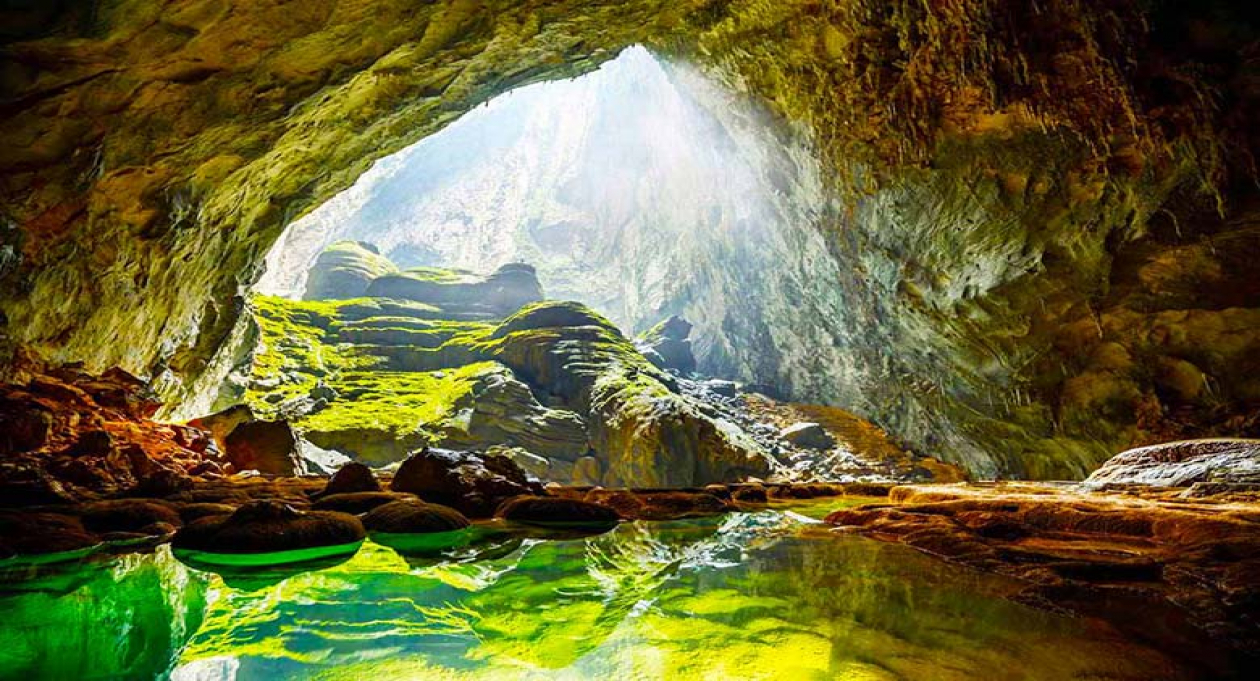
UNESCO-listed karst caves and underground rivers in Phong Nha
Cuc Phuong National Park (Ninh Binh)
Vietnam's oldest national park, Cuc Phuong blends rainforest trails, ancient trees, and excellent conservation centers (primate and turtle rescue). In spring, thousands of butterflies fill the forest. Proximity to Ninh Binh makes this an easy add-on to northern itineraries.
-
Best for: Day hikes, wildlife conservation learning, spring butterfly season
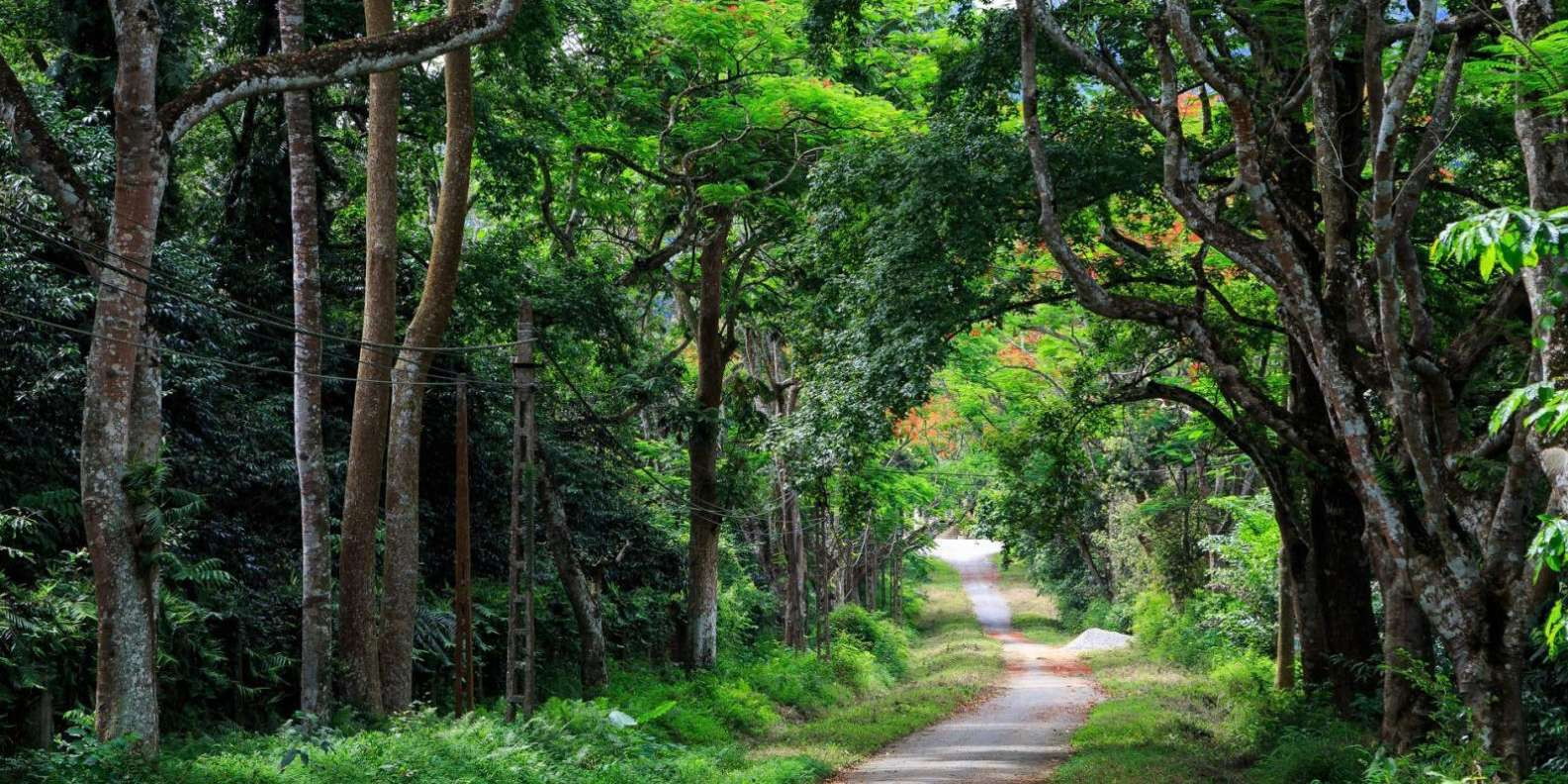
Old-growth forest and limestone trails at Cuc Phuong
Ba Be National Park (Bac Kan)
Centered on Ba Be Lake—one of Vietnam's largest natural freshwater lakes—this park offers serene boat journeys, waterfalls, caves, and homestays in Tay ethnic villages.
-
Best for: Boating, caving, easy hiking, cultural homestays
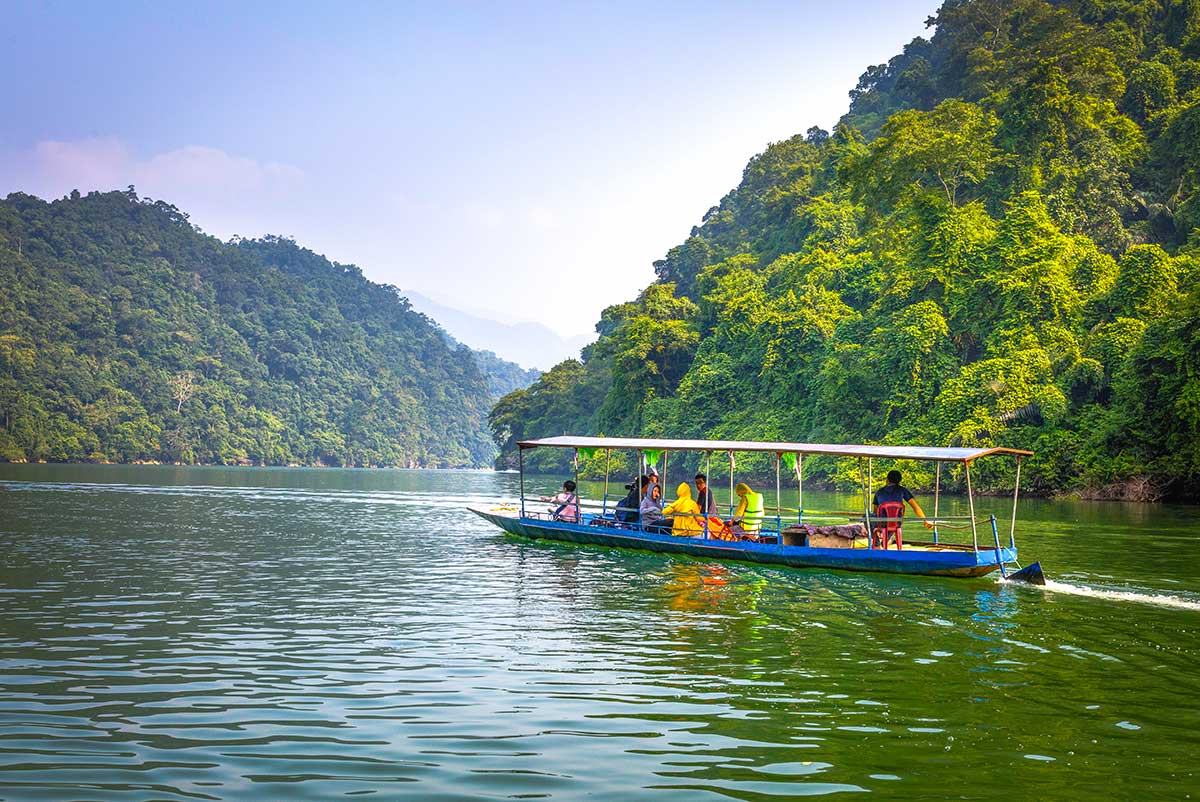
Misty Ba Be Lake ringed by limestone mountains
Cat Tien National Park (Dong Nai–Lam Dong–Binh Phuoc)
A biodiversity hotspot of lowland tropical forest, Cat Tien serves up night safaris, gibbon calls at dawn, and cycling under towering trees. It's among the most accessible parks from Ho Chi Minh City.
-
Best for: Birdwatching, cycling, river crossings, night wildlife tours
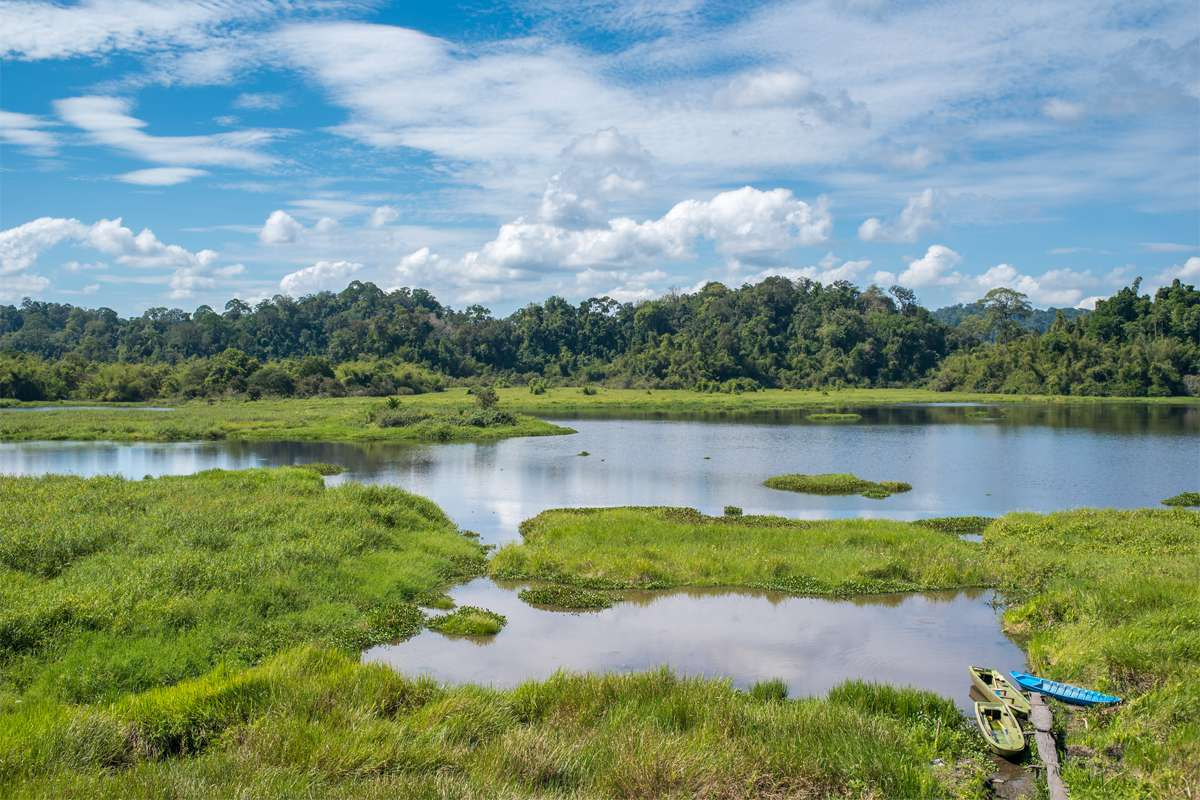
Lowland rainforest and wildlife corridors in Cat Tien
Yok Don National Park (Dak Lak)
Vietnam's largest national park by area, Yok Don protects rare dry dipterocarp forest. Expect birdlife, gentle river trips, and responsible elephant experiences that prioritize animal welfare.
-
Best for: Dry forest ecology, birding, ethical wildlife experiences
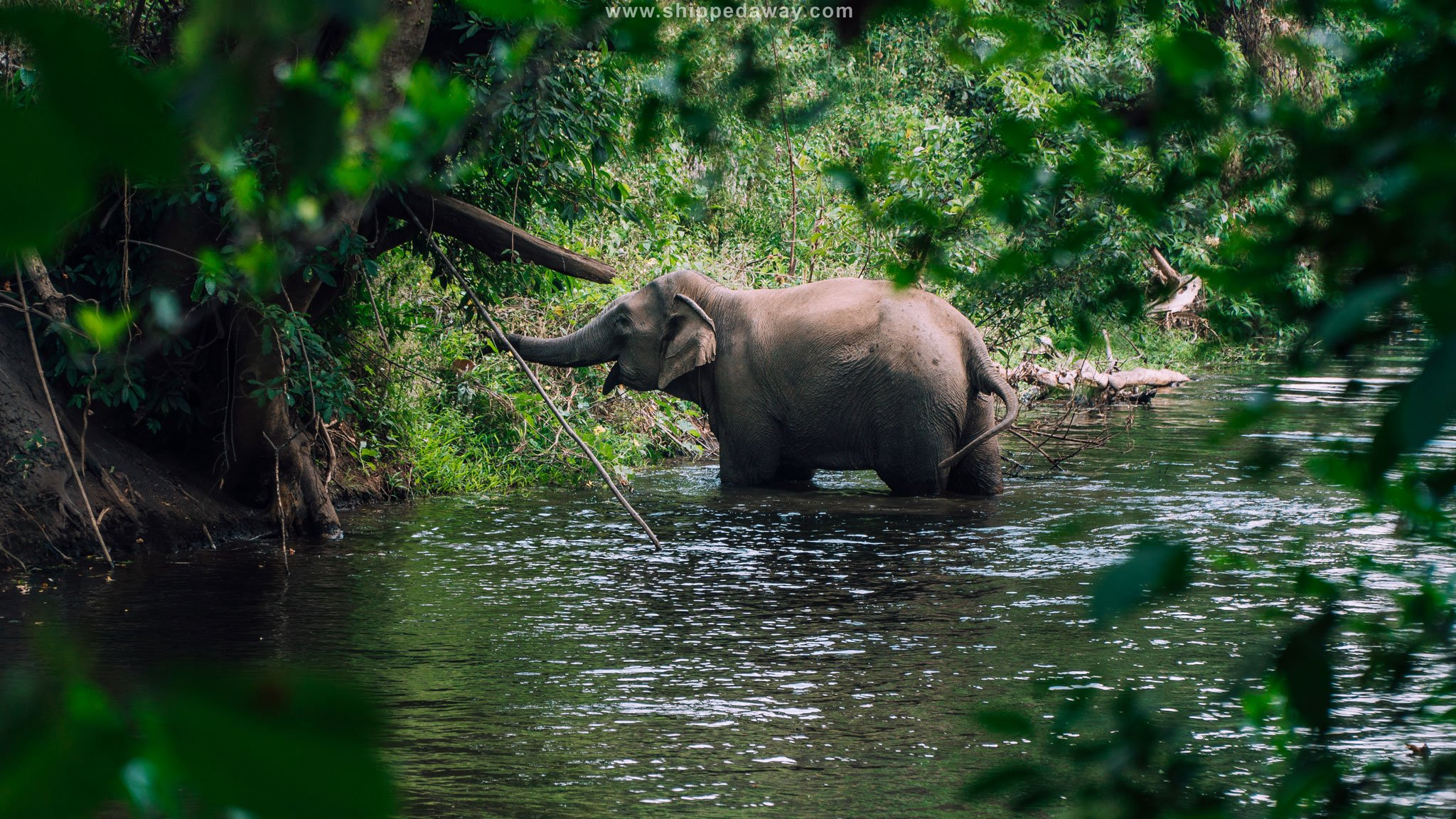
Dry dipterocarp forest unique to Vietnam's Central Highlands
Cat Ba National Park (Hai Phong)
Part of the Ha Long–Cat Ba UNESCO-listed complex, Cat Ba blends jungle ridgelines with coastal karst islands and quiet beaches. Hike to viewpoints, kayak in emerald bays, and watch for rare langurs.
-
Best for: Hiking, sea kayaking, island viewpoints
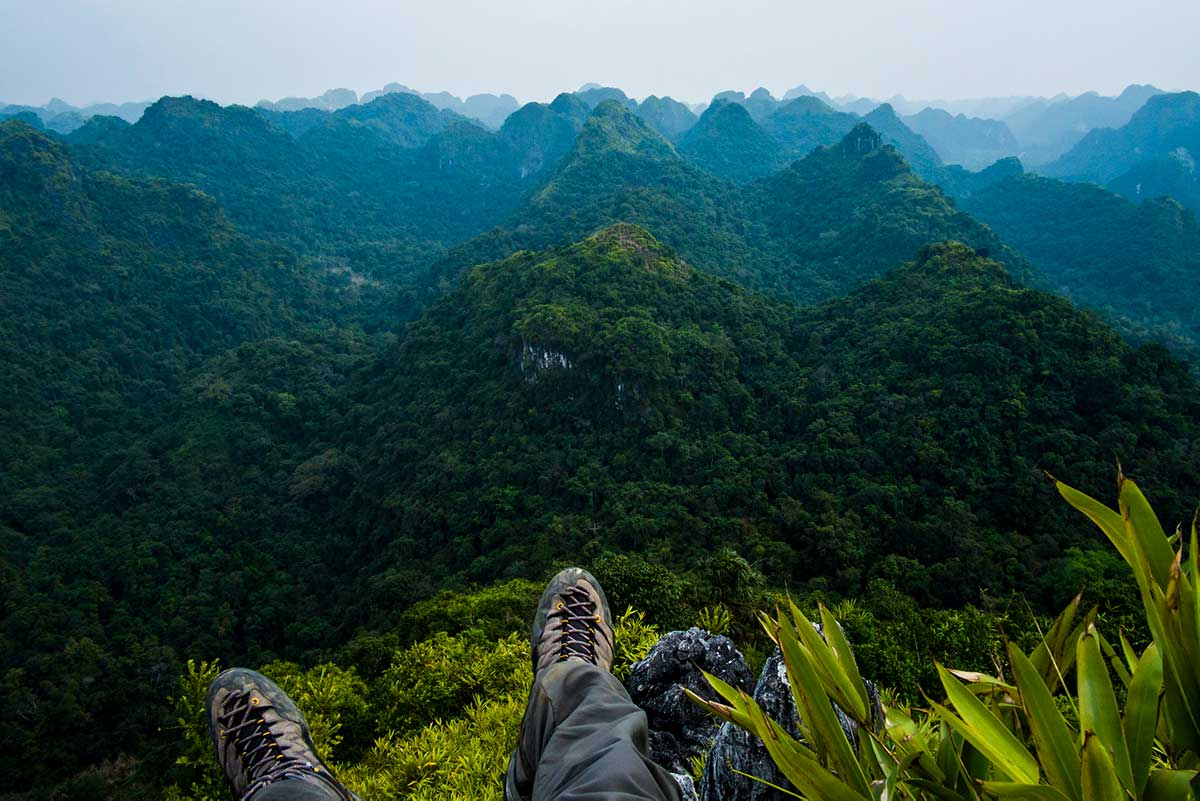
Karst-island panoramas from Cat Ba ridgeline trails
Bach Ma National Park (Thua Thien Hue)
A former French hill station between Hue and Da Nang, Bach Ma delivers cool mountain air, cloud forests, and waterfall hikes like the beautiful Do Quyen Falls.
-
Best for: Waterfall hikes, cloud forests, birdwatching
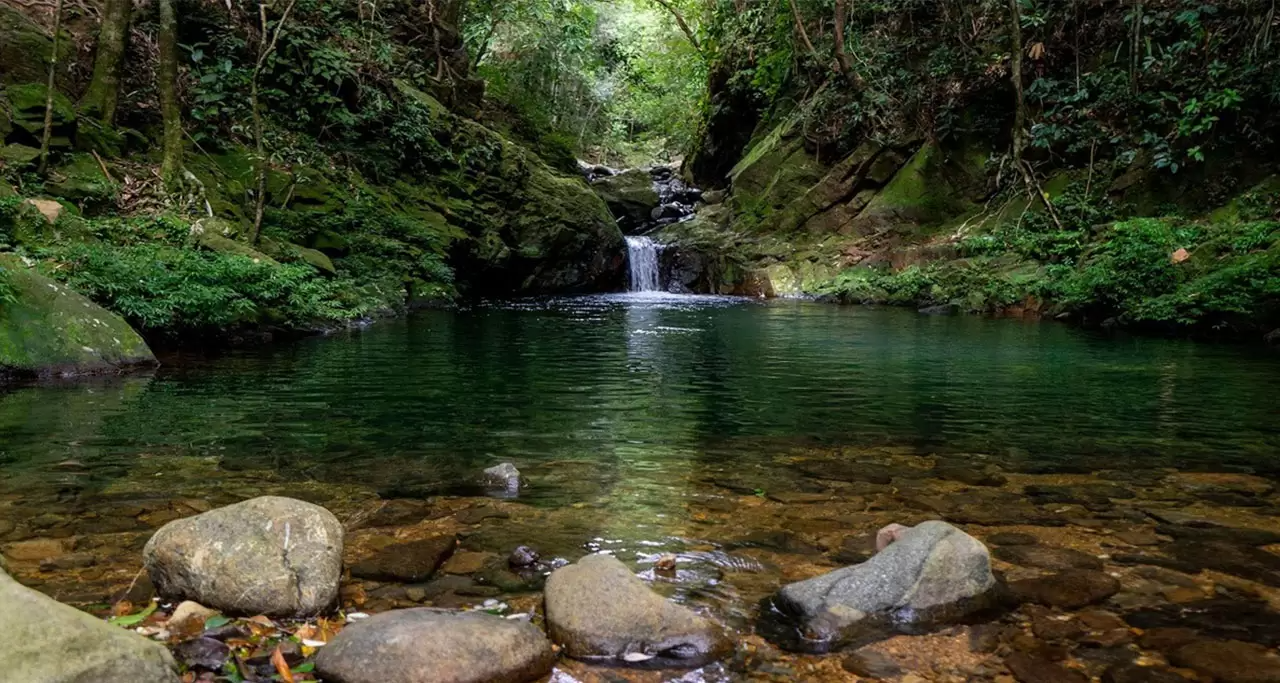
Waterfall trekking amid cool cloud forest in Bach Ma
Tram Chim National Park (Dong Thap, Mekong Delta)
A Ramsar-listed wetland sanctuary famous for the sarus crane, Tram Chim is an oasis of seasonally flooded grasslands, lotus-filled channels, and quiet bird hides.
-
Best for: Birding, wetland boat tours, photography
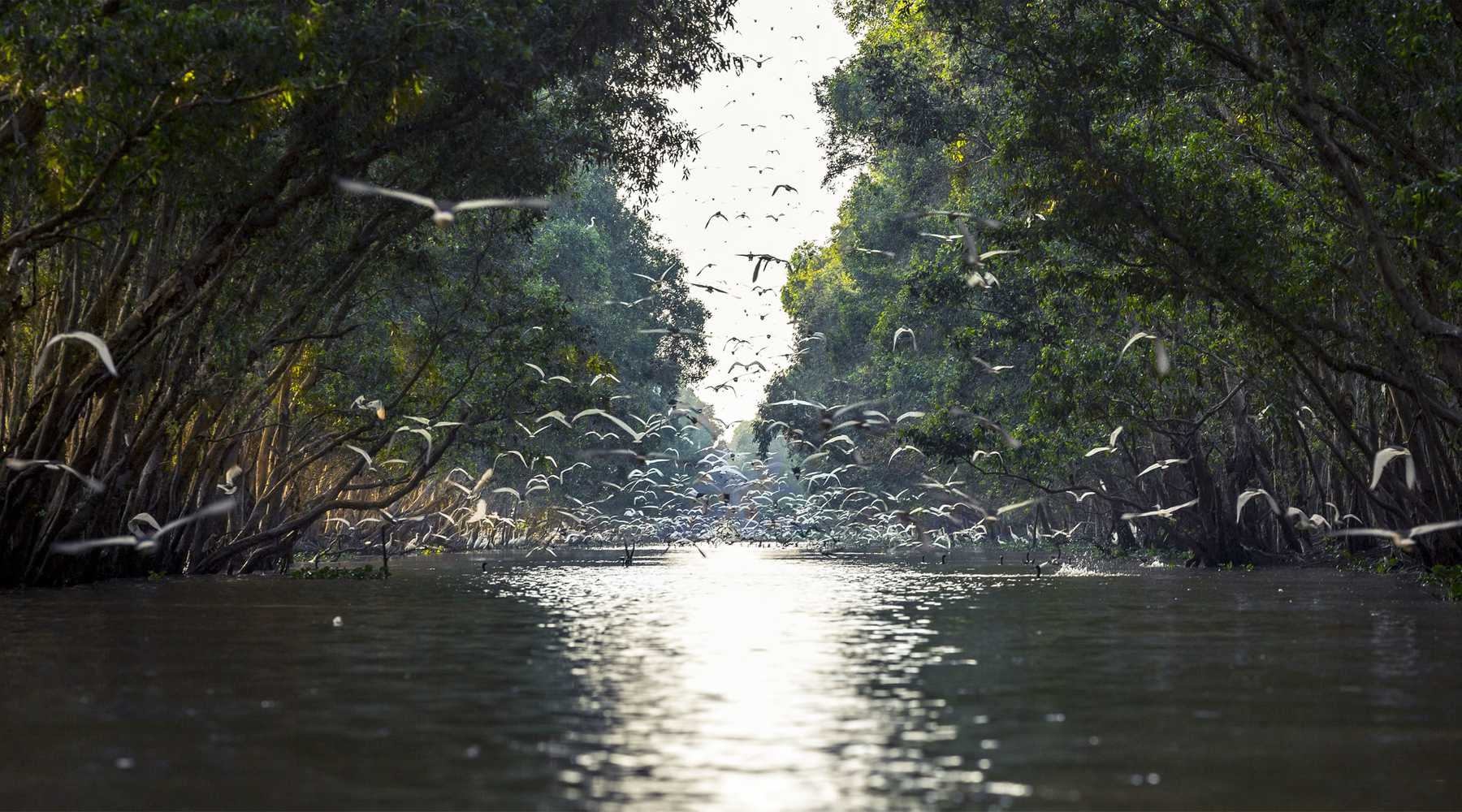
Lotus wetlands and migratory birds at Tram Chim
Phu Quoc National Park (Kien Giang)
Covering much of Phu Quoc Island, this park protects tropical rainforest, coral reefs, and mangroves. Combine jungle hikes with snorkeling off An Thoi or the coral gardens near Hon Mong Tay and Gam Ghi.
-
Best for: Reef snorkeling, hiking, island birding
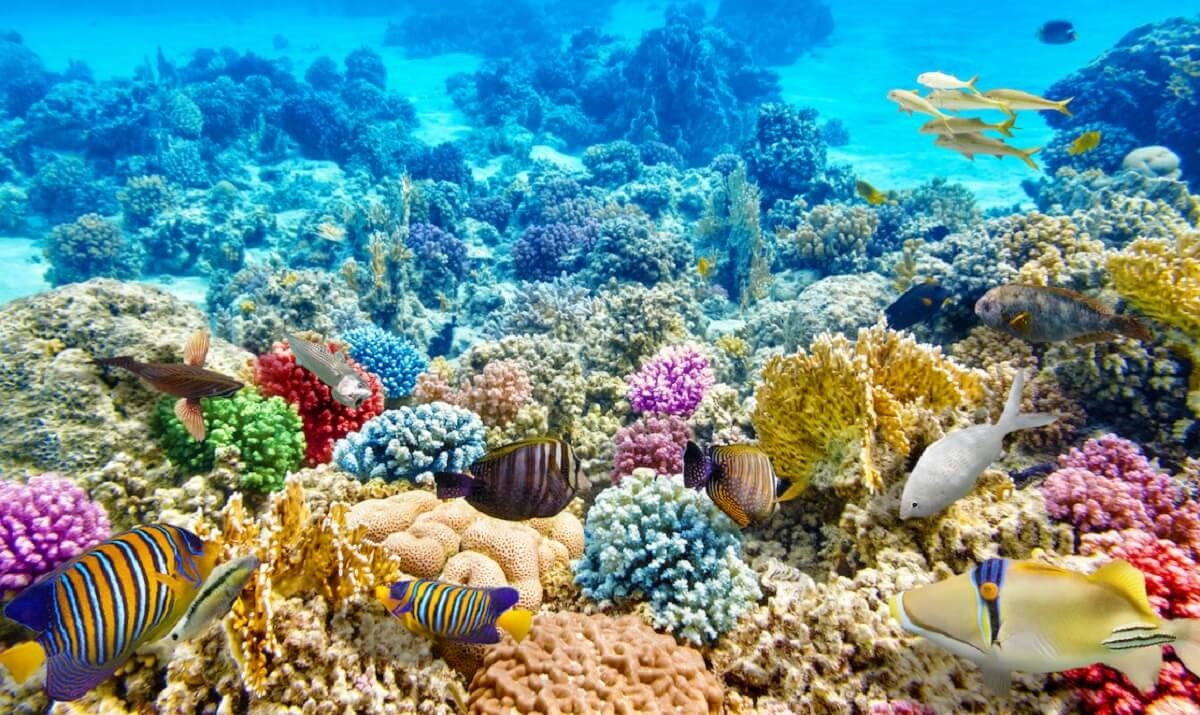
Tropical forest meets coral-rich waters off Phu Quoc
3. When to Visit and How to Plan Your Park Adventures
Vietnam spans multiple climate zones, so timing your visit can elevate your experience across the parks. Understanding seasonal patterns helps you choose the best National Parks in Vietnam for your travel dates.
-
Northern parks (Ba Be, Cuc Phuong, Cat Ba): Best Mar–May and Sep–Nov for clear skies and pleasant temps. Winter can be chilly and misty; summers are hot and humid.
-
Central parks (Phong Nha, Bach Ma): Feb–Aug is drier; Sep–Dec brings rain and typhoons. Cave tours in Phong Nha may pause during heavy rain.
-
Southern parks (Cat Tien, Tram Chim, Phu Quoc): Dec–Apr is dry season—great for wildlife and snorkeling. May–Nov sees rain; trails can be muddy.

Pack light layers, quick-dry clothing, and waterproof covers
4. Practical Tips for Visiting National Parks in Vietnam
Planning your visit to National Parks in Vietnam requires careful preparation. These tips ensure safe and enjoyable experiences.
-
Essentials: Quick-dry clothing, sturdy shoes, lightweight rain jacket, hat, reef-safe sunscreen, insect repellent, reusable water bottle.
-
Health & safety: Consider travel insurance; carry basic meds; check leech socks for rainy hikes in Cat Tien and Cuc Phuong.
-
Connectivity: Buy a local SIM (Viettel/Vinaphone) for maps and weather; offline maps help in low-signal zones.
-
Responsible travel: Stay on marked trails, keep noise low, never feed wildlife, pack out all trash, and opt for certified ethical animal experiences.
-
Permits & guides: Some activities (deep cave tours, restricted trails) require permits and licensed guides. Book early in peak months.
5. Explore National Parks in Vietnam with GrandViet Tour
As a leading inbound operator for Vietnam and Southeast Asia, GrandViet Tour crafts nature-first itineraries that blend park highlights with cultural depth. From UNESCO caves in Phong Nha to birding in Tram Chim and ethical wildlife viewing in Yok Don, our team handles permits, expert guides, comfortable stays, and seamless logistics. Choose from private adventures, family-friendly routes, or multi-country journeys linking Vietnam's parks with Laos and Cambodia.
We help you explore National Parks in Vietnam with confidence and expertise.
-
Why travel with us: Competitive pricing, 24/7 on-spot support, curated local experiences, and a money-back commitment to service quality.
-
Popular nature add-ons: Ha Long–Lan Ha Bay cruises, Sapa mountain treks, Ninh Binh boat caves, and Mekong Delta eco-cruises.
6. Conclusion
Vietnam's national parks reveal a living tapestry of karst caverns, ancient forests, wetlands, and reefs—each preserving biodiversity and stories of culture shaped by the land. Whether you're chasing gibbon songs at dawn, drifting across lotus wetlands, or hiking to cloud-forest waterfalls, these protected areas showcase Vietnam at its most authentic and awe-inspiring.
The National Parks in Vietnam offer unparalleled opportunities to connect with nature and culture. Each park provides unique experiences that showcase Vietnam's diverse ecosystems and rich biodiversity.
Ready to explore Vietnam's national parks with confidence? Plan your custom, eco-conscious itinerary with GrandViet Tour and discover Vietnam's wild side—comfortably, responsibly, and in style.
7. Frequently Asked Questions (FAQ)
Which National Parks in Vietnam are best for first-time visitors?
Cuc Phuong, Ba Be, and Cat Tien are ideal thanks to easy access, varied activities, and good facilities.
When is the best time to visit the National Parks in Vietnam?
Generally Dec–Apr in the south, Feb–Aug in central regions, and Mar–May or Sep–Nov in the north. Check park-specific weather.
Do I need permits or guides inside Vietnam's national parks?
Some activities (cave expeditions, restricted trails) require permits and licensed guides. GrandViet Tour arranges these for you.
Are there ethical elephant experiences in Vietnam's parks?
Yes—Yok Don promotes elephant-friendly, observation-first programs. Avoid rides or shows.
What wildlife might I see in Vietnam's national parks?
Expect langurs, gibbons, macaques, hornbills, sarus cranes, butterflies, and endemic flora—sightings vary by park and season.
Can families with kids enjoy these parks?
Absolutely. Choose parks with gentle trails and boat trips (Ba Be, Tram Chim) or opt for guided experiences tailored to families.
How can I travel responsibly in the parks?
Stay on trails, carry out trash, keep respectful distances from wildlife, and support community-led eco-initiatives and homestays.
Other articles


© GrandViet Tour Co., Ltd. - International Tour Operator Licence 01-217/TCDL-GPLHQT.
Copyright © 2006 - 2020. All Rights Reserved.