

Travel Guide
20 Essential Vietnam Travel Tips for First-Time Visitors
1. Introduction: Essential Vietnam Travel Tips
As proud Vietnamese locals who have grown up exploring every corner of this beautiful country, we're excited to share the essential Vietnam travel tips that will make your first visit truly unforgettable. Vietnam offers an incredible blend of natural beauty, rich history, vibrant culture, and warm hospitality that has captivated travelers for generations.
From the misty mountains of Sapa to the bustling streets of Ho Chi Minh City, from the pristine beaches of Phu Quoc to the ancient charm of Hoi An, Vietnam presents a diverse tapestry of experiences that can overwhelm first-time visitors. That's why we've compiled these 20 essential tips based on our years of experience helping international travelers discover the real Vietnam.
Whether you're planning a week-long adventure or a month-long exploration, these Vietnam travel tips will help you navigate the country like a local, avoid common pitfalls, and create memories that will last a lifetime. Let GrandViet Tour be your guide to experiencing Vietnam's authentic beauty and cultural richness. Vietnam offers diverse experiences from mountains to beaches - proper planning ensures you make the most of your visit
2. Pre-Trip Planning Tips
Plan Your Itinerary Wisely
Vietnam's unique S-shaped geography stretches over 1,000 miles from north to south, making it impossible to see everything in one trip. Smart planning is essential for maximizing your experience while avoiding travel burnout.
Recommended time allocation:
-
One week: Focus on a single region (North, Central, or South)
-
Two weeks: Explore two regions with 3-4 days each
-
Three weeks: One week per region for comprehensive coverage
-
One month or more: Experience 1-3 destinations in each region
Local insight: Many experienced travelers recommend starting from South to North, as the scenery becomes progressively more stunning as you move northward. The northern mountains and highlands offer some of Vietnam's most breathtaking landscapes.
Purchase Comprehensive Travel Insurance
Comprehensive travel insurance is crucial for any international trip to Vietnam. It should cover unexpected situations such as medical emergencies, injuries, theft, or natural disasters.
Insurance recommendations:
-
Medical coverage with evacuation benefits
-
Lost baggage and travel delay protection
-
COVID-19 coverage (recommended minimum $10,000 USD)
-
Adventure activities coverage if planning trekking or water sports
-
24/7 emergency assistance
GrandViet Tour tip: Our package tours include comprehensive insurance coverage, giving you peace of mind throughout your journey while allowing you to focus on creating unforgettable memories.
 Proper planning ensures you experience Vietnam's diverse landscapes and cultures without feeling rushed
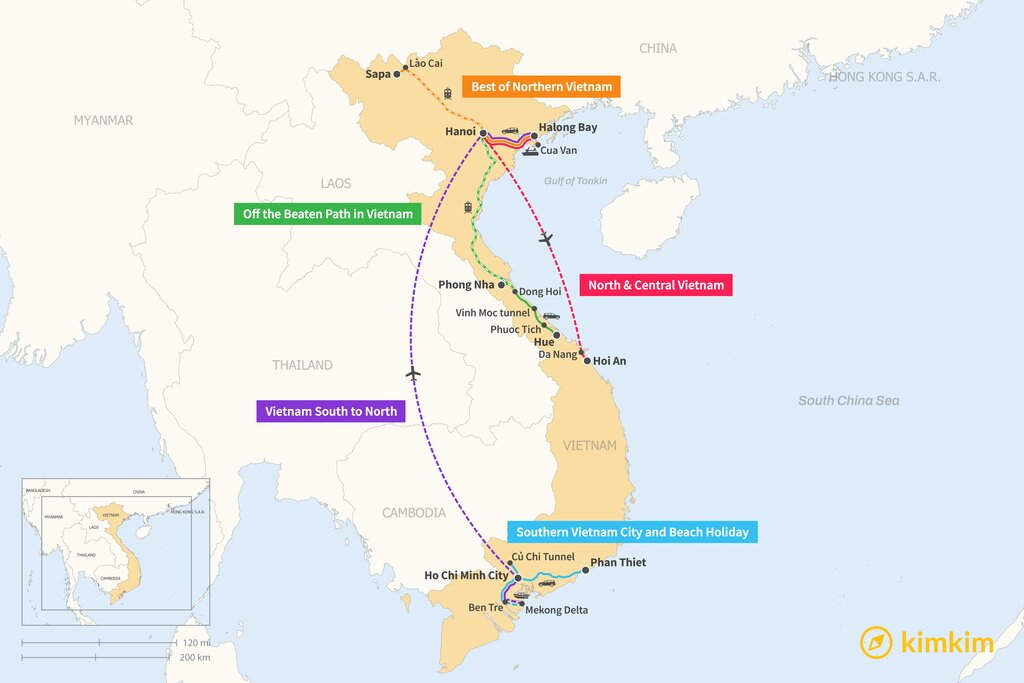 Smart itinerary planning helps you experience Vietnam's diverse regions without feeling rushed
3. Visa and Entry Requirements
Secure Your E-Visa in Advance
Most nationalities, including U.S. citizens, require a visa to enter Vietnam. The e-visa system has simplified the process significantly, making it easier than ever to obtain proper documentation.
E-visa application process:
-
Apply online through official Vietnamese government websites (evisa.gov.vn or thithucdientu.gov.vn)
-
Cost: $25 USD for single-entry, $50 for multiple entries
-
Processing time: Typically 3 business days
-
Validity: 30 days from entry date
Important requirements:
-
Ensure all information matches your passport exactly
-
Print multiple copies of your e-visa
-
Keep your e-visa with your passport at all times
-
Apply at least 1 week before your departure date

The e-visa process has simplified entry into Vietnam for international travelers
Local update for 2025: The Vietnamese government has extended visa-free stays for citizens from several European countries to 45 days, making it easier for extended exploration.
Passport and Documentation
Document requirements:
-
Passport valid for at least 6 months beyond your planned departure
-
Printed e-visa approval letter
-
Return or onward travel tickets
-
Proof of accommodation (first few nights)
-
Sufficient funds for your stay
Entry tips:
-
Have all documents readily accessible at immigration
-
Be prepared to show proof of funds if requested
-
Keep a digital copy of all documents on your phone
-
Arrive at airports 2-3 hours before international flights
4. Transportation and Getting Around
Master the Art of Crossing Streets
Vietnamese traffic, particularly with its high volume of motorbikes, can appear chaotic to first-time visitors. However, there's a method to the madness that locals have perfected over generations.
Street crossing technique:
-
Walk slowly and steadily at a consistent pace
-
Motorbikes will instinctively navigate around you
-
Avoid sudden stops or running
-
Stay alert for motorbikes on sidewalks or emerging from alleyways
-
Use designated crosswalks when available
Local wisdom: The key is confidence and consistency. Vietnamese drivers are skilled at reading pedestrian behavior and will adjust their path accordingly. Hesitation can actually make crossing more dangerous.
Use Grab for Urban Transportation
Grab, Southeast Asia's premier ride-hailing app, is highly recommended for safe and affordable urban travel throughout Vietnam. It provides upfront pricing, which helps prevent potential scams common with some traditional taxis.
Grab advantages:
-
Upfront pricing with no hidden fees
-
Driver verification and rating system
-
Multiple vehicle options (car, motorbike, taxi)
-
English language support
-
Cash and card payment options
Alternative taxi companies:
-
Vinasun (white taxis with green logo)
-
Mai Linh (green taxis)
-
G7 (blue taxis)
-
XanhSM (modern electric vehicles)
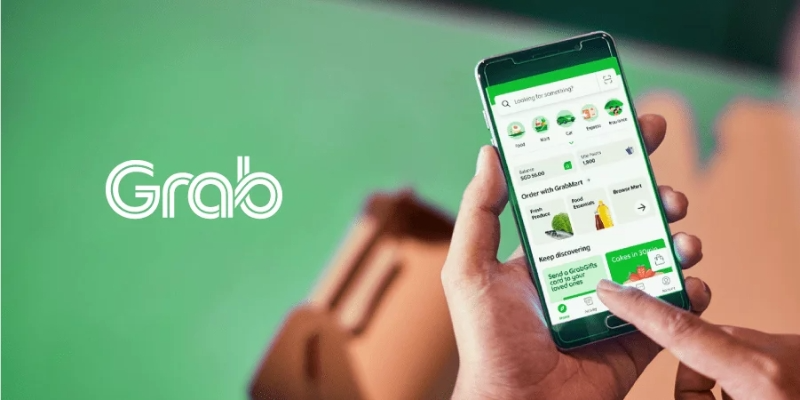
Grab app provides safe, reliable transportation throughout Vietnam's cities
Inter-City Transportation Options
Domestic flights:
-
Vietnam Airlines, VietJet Air, and Bamboo Airways serve major routes
-
Book in advance for better prices
-
Allow extra time for domestic flight connections
Trains:
-
North-South railway offers scenic journeys
-
Sleeper trains available for overnight travel
-
Book through official Vietnam Railways website
Buses:
-
Comfortable sleeper buses for long distances
-
Multiple companies with varying quality standards
-
Book through reputable companies like Futa Bus or Mai Linh
5. Cultural Etiquette and Respect
Show Respect at Religious Sites
Vietnam is home to numerous temples, pagodas, and religious sites that hold deep cultural and spiritual significance. Understanding proper etiquette shows respect for local customs and enhances your cultural experience.
Dress code guidelines:
-
Cover shoulders and knees when visiting religious sites
-
Pack lightweight coverings to manage the heat
-
Remove shoes before entering temples and homes
-
Avoid revealing or inappropriate clothing
Behavioral etiquette:
-
Maintain a calm and polite demeanor
-
Avoid public displays of affection
-
Don't touch someone's head (considered sacred)
-
Ask permission before taking photos of people
-
Speak quietly and respectfully
Interact Respectfully with Ethnic Minorities
Vietnam is home to 54 distinct ethnic groups, each with unique traditions, languages, and ways of life. Visiting their villages and engaging in homestays offers profound cultural insights and some of the most memorable experiences.
Cultural sensitivity tips:
-
Always ask for permission before taking photos
-
Respect local customs and traditions
-
Learn basic greetings in local languages
-
Support local artisans and businesses
-
Avoid intrusive questions about personal matters
Recommended ethnic minority regions:
-
Sapa (Hmong, Dao, Tay communities)
-
Ha Giang (Hmong, Dao, Lo Lo people)
-
Mai Chau (Thai and Muong communities)
-
Central Highlands (Ede, Bahnar, Jarai groups)
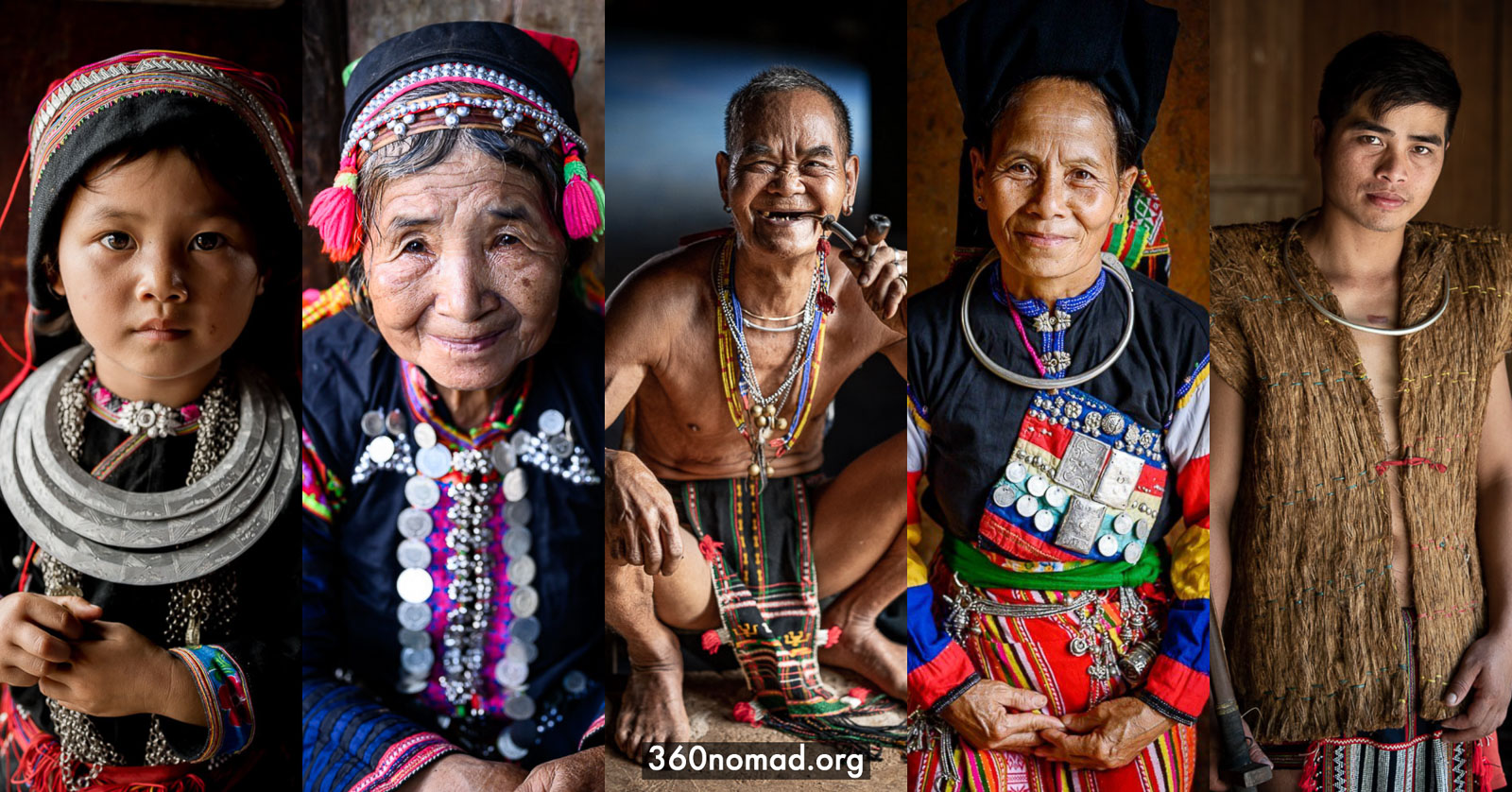
Vietnam's 54 ethnic groups offer rich cultural experiences and authentic homestay opportunities
6. Food and Dining Tips
Embrace Street Food Safely
Street food is a defining and delicious part of Vietnamese cuisine, often being the most authentic and affordable way to experience local flavors. With proper precautions, street food can be both safe and incredibly rewarding.
Street food safety guidelines:
-
Choose busy stalls with high customer turnover
-
Look for fresh ingredients and clean preparation areas
-
Avoid raw vegetables that haven't been properly washed
-
Carry hand sanitizer for pre-meal hygiene
-
Start with well-cooked items before trying raw preparations
Must-try street food:
-
Pho (rice noodle soup) - Vietnam's national dish
-
Banh mi (Vietnamese sandwich)
-
Fresh spring rolls (goi cuon)
-
Banh xeo (sizzling crepes)
-
Bun cha (grilled pork with noodles)
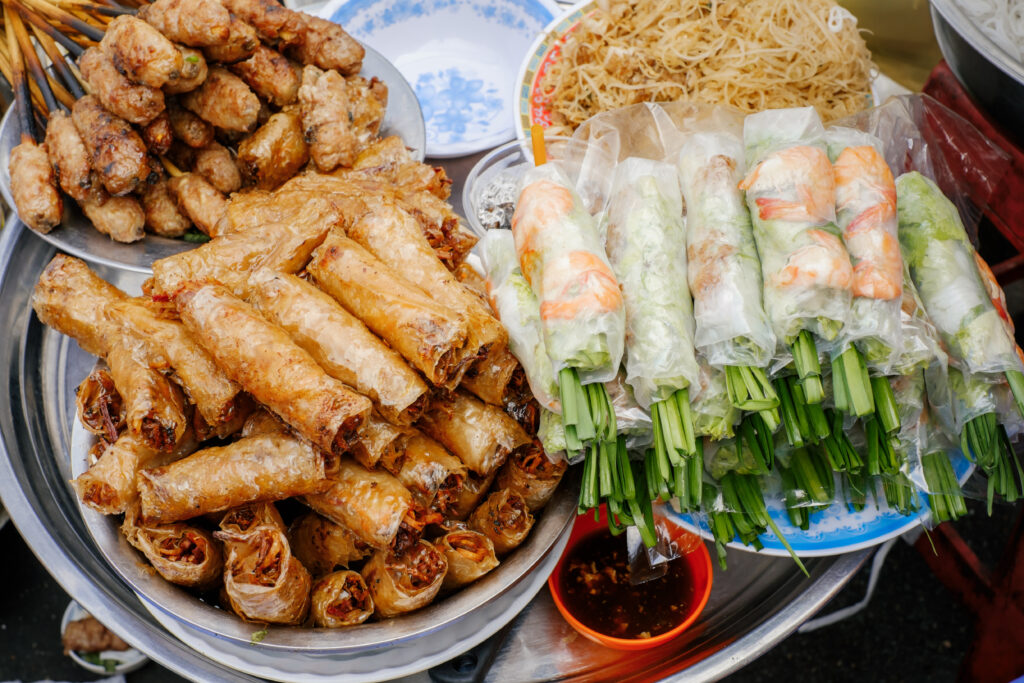
Vietnamese street food offers authentic flavors and cultural experiences
Local insight: The busier the stall, the fresher the food. Vietnamese people are very particular about food quality and will avoid places that don't maintain high standards.
Drink Only Purified Water
Tap water in Vietnam is not safe for drinking for either locals or tourists. Always opt for bottled water, which is readily available and inexpensive throughout the country.
Water safety tips:
-
Purchase bottled water from reputable stores
-
Check that bottle seals are intact
-
Use bottled water for brushing teeth
-
Avoid ice in drinks unless you're certain of its source
-
Consider bringing a filtered water bottle for sustainability
Sustainable alternatives:
-
Bring a portable water filter
-
Use water purification tablets for emergencies
-
Support restaurants that serve filtered water
-
Reduce plastic waste by refilling bottles when possible
7. Safety and Scam Prevention
Be Aware of Common Scams
While Vietnam is generally considered safe, petty crimes and scams do exist, particularly in crowded tourist areas. Awareness and preparation are your best defenses against these issues.
Common scams to watch for:
-
Inflated prices (always ask for prices beforehand)
-
Offers to "cancel Grab" by unofficial drivers
-
Phone snatching by motorcyclists
-
Deceptive shoe shiners or fruit vendors
-
Currency confusion (500,000 vs 20,000 VND notes)
Prevention strategies:
-
Use ride-hailing apps instead of hailing taxis
-
Keep valuables secure and out of sight
-
Bargain in markets (actual price is often half the initial quote)
-
Avoid unsolicited services or assistance
-
Trust your instincts - if something seems too good to be true, it probably is
Personal Safety Measures
General safety tips:
-
Keep copies of important documents
-
Use hotel safes for valuables
-
Avoid isolated areas at night
-
Stay alert in crowded places
-
Trust official information sources
Emergency preparedness:
-
Save emergency numbers in your phone
-
Know the location of your embassy
-
Keep emergency contacts readily available
-
Have a backup plan for unexpected situations
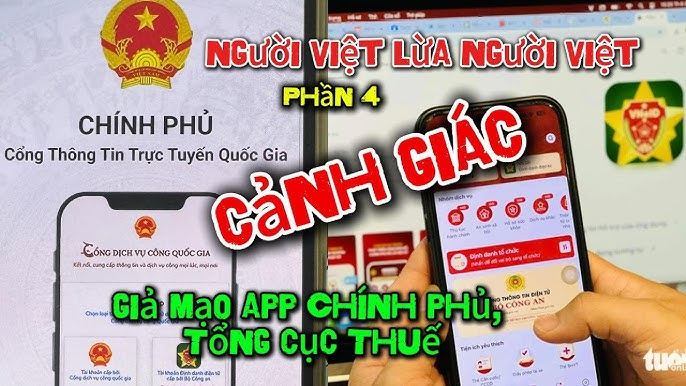
Being aware of common scams and taking basic precautions ensures a safe Vietnam experience
8. Technology and Communication
Get a Local SIM Card or eSIM
Mobile service in Vietnam is surprisingly robust, even in remote areas. Having reliable internet access is essential for navigation, translation, and staying connected during your trip.
SIM card options:
-
Viettel: Best coverage, especially in rural areas
-
Mobifone: Good urban coverage, competitive pricing
-
Vinaphone: Reliable service, good data packages
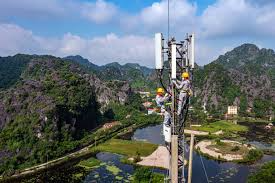
Vietnam's mobile network provides excellent coverage even in remote mountain areas
eSIM advantages:
-
No physical card needed
-
Easy activation and setup
-
Multiple data packages available
-
Works with most modern smartphones
Recommended apps:
-
Google Maps (download offline maps)
-
Google Translate (offline language support)
-
Grab (transportation)
-
WhatsApp (communication with accommodations)
Download Essential Apps
Navigation and transportation:
-
Google Maps with offline maps
-
Grab for ride-hailing
-
12Go for inter-city transportation
-
Baolau for train and bus bookings
Language and communication:
-
Google Translate with offline Vietnamese
-
Duolingo for basic language learning
-
WhatsApp for business communication
-
Zalo (Vietnamese messaging app)
Travel assistance:
-
TripAdvisor for reviews and recommendations
-
Booking.com for accommodation
-
XE Currency for exchange rates
-
Weather apps for local forecasts
9. Money and Shopping
Carry Sufficient Cash
Many smaller establishments in Vietnam, including street food stalls, local restaurants, public restrooms, and homestays, predominantly accept cash. While credit cards are becoming more common, cash remains king in many situations.
Cash management tips:
-
Carry Vietnamese Dong (VND) for most transactions
-
Use bank ATMs for better exchange rates
-
Keep different denominations in separate pockets
-
Avoid carrying large amounts of cash
-
Use hotel safes for extra money and valuables
Currency denominations:
-
Smallest: 1,000 VND (about $0.04)
-
Largest: 500,000 VND (about $20)
-
Most common: 10,000, 20,000, 50,000, 100,000 VND
Local insight: Vietnamese people are generally honest about money, but counting your change carefully is always wise. The 500,000 and 20,000 VND notes are both blue and can be easily confused.
Shopping and Bargaining
Market shopping tips:
-
Always ask for prices before purchasing
-
Bargaining is expected in markets and with street vendors
-
Start with 50% of the initial price
-
Be respectful and friendly during negotiations
-
Walk away if prices seem unreasonable
What to buy:
-
Traditional handicrafts and textiles
-
Coffee and tea from highland regions
-
Silk products from Hoi An
-
Lacquerware and ceramics
-
Local spices and condiments

Vietnam's markets offer authentic handicrafts, textiles, and local products
Avoid purchasing:
-
Wildlife products or endangered species items
-
Counterfeit goods or fake designer items
-
Items that seem suspiciously cheap
-
Products without clear pricing
Understanding local currency and shopping customs enhances your Vietnam shopping experience
10. Weather and Packing
Pack for Varying Climates
Vietnam's long, narrow shape results in distinct regional climates that require thoughtful packing. The country experiences everything from tropical heat to mountain cold, often within the same trip.
Regional climate considerations:
-
North: Cold winters (December-February), hot humid summers
-
Central: Tropical climate with distinct wet/dry seasons
-
South: Year-round tropical weather with monsoon rains
Essential packing items:
-
Lightweight, breathable clothing for hot weather
-
Warm layers for northern regions and winter months
-
Rain jacket or poncho for monsoon seasons
-
Comfortable walking shoes
-
Sun protection (hat, sunscreen, sunglasses)
Seasonal considerations:
-
Dry season (November-April): Best for outdoor activities and sightseeing
-
Wet season (May-October): Bring rain gear and plan indoor activities
-
Tet holiday (January/February): Book accommodations and transportation early
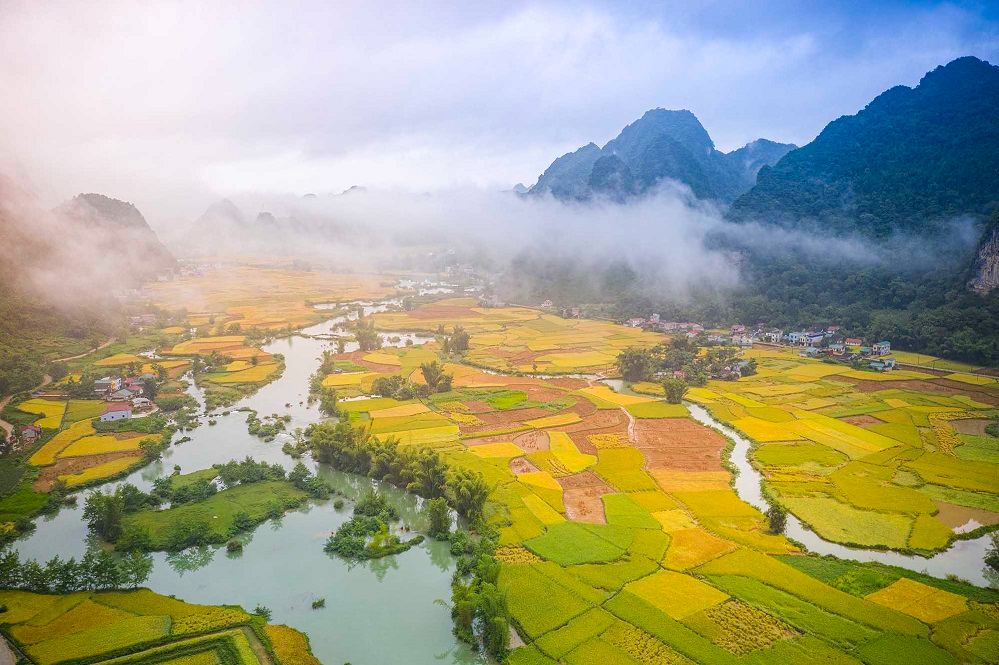
Vietnam's diverse climate requires thoughtful packing for different regions and seasons
Always Carry Toilet Paper
Bathroom conditions in Vietnam vary significantly, and toilet paper is often not provided or requires a small payment. Being prepared ensures comfort throughout your journey.
Bathroom essentials:
-
Travel-size toilet paper or tissues
-
Hand sanitizer or wet wipes
-
Small change for paid restrooms
-
Understanding of local bathroom customs
Local bathroom tips:
-
"Bum guns" (bidets) are common and hygienic
-
Western-style toilets are available in tourist areas
-
Squat toilets are common in rural areas
-
Public restrooms may charge 2,000-5,000 VND
11. GrandViet Tour: Your Vietnam Travel Expert
Why Choose GrandViet Tour?
GrandViet Tour stands as Vietnam's premier inbound tour operator, specializing in authentic, memorable, and hassle-free travel experiences. Our deep local knowledge and established relationships with communities ensure that your Vietnam adventure exceeds all expectations.
Our expertise:
-
Over 20 years of experience in Vietnam tourism
-
Licensed and experienced local guides
-
Carefully vetted accommodations and transportation
-
24/7 support throughout your journey
-
Customized itineraries for every preference and budget
GrandViet Tour's Achievements and Recognition
As one of Vietnam's leading travel companies, GrandViet Tour has achieved numerous prestigious awards and recognitions that demonstrate our commitment to excellence:
Industry Recognition:
-
Top 5 Travel Companies for welcoming Thai tourists consecutively in 2007, 2008, and 2009
-
"Quality Tourism Service" Award in 2013 for outstanding service standards
-
ASEAN Tourist Reception Champion for three consecutive years (2017, 2018, 2019) awarded by Vietnam Tourism Association (VITA)
Professional Memberships:
-
Founding Member of VietWorld Holidays group
-
Member of Pacific Asia Travel Association (PATA)
-
Member of Vietnam Tourism Association (VITA)
-
Member of UNESCO Hanoi Tourism Association
Customized Tour Packages
Our carefully crafted tour packages combine the best of Vietnam while incorporating all the essential travel tips we've shared:
Cultural Immersion Tours:
-
Authentic homestay experiences with ethnic minorities
-
Local cooking classes and market visits
-
Traditional craft village tours
-
Cultural performance experiences
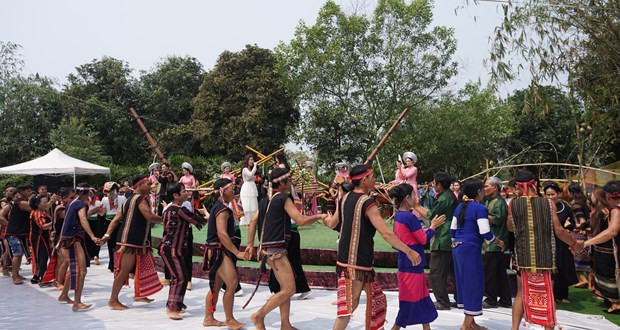 Cultural immersion tours provide authentic experiences with local communities
Adventure and Nature Tours:
-
Guided trekking in northern mountains
-
Kayaking in Ha Long Bay
-
Motorbike tours through scenic routes
-
National park exploration
Luxury and Comfort Tours:
-
Premium accommodations and transportation
-
Private guides and exclusive experiences
-
Fine dining and wine experiences
-
Spa and wellness activities
12. Conclusion
Vietnam offers an incredible travel experience that combines natural beauty, rich culture, fascinating history, and warm hospitality. By following these 20 essential Vietnam travel tips, you'll be well-prepared to navigate the country like a local and create memories that will last a lifetime.
Remember that Vietnam is a country of contrasts - from bustling cities to serene countryside, from mountain peaks to tropical beaches. Each region offers unique experiences, and proper planning ensures you can fully appreciate the diversity that makes Vietnam so special.
GrandViet Tour stands ready to be your trusted partner for an unforgettable Vietnam adventure. Our expertise, local knowledge, and commitment to excellence ensure that your experience will be nothing short of extraordinary. Whether you seek cultural immersion, adventure, relaxation, or luxury, we have the perfect tour package waiting for you.
Ready to experience the real Vietnam? Contact GrandViet Tour today to discover our exclusive package tours and begin planning the journey of a lifetime. Let us show you the Vietnam we know and love - authentic, beautiful, and unforgettable.
13. Frequently Asked Questions (FAQ)
Q: How many days do I need to visit Vietnam? A: For a comprehensive Vietnam experience, we recommend at least 2-3 weeks. This allows you to explore 2-3 regions without feeling rushed. However, even a week in a single region can provide a meaningful experience.
Q: Is it safe to drink tap water in Vietnam? A: No, tap water in Vietnam is not safe for drinking. Always use bottled water or boiled water. Bottled water is readily available and inexpensive throughout the country.
Q: Do I need a visa to visit Vietnam? A: Most nationalities require a visa. You can apply for an e-visa online through the official Vietnamese government website for $25 (single entry) or $50 (multiple entries), typically processed within 3 business days.
Q: What is the best time to visit Vietnam? A: The best time depends on which regions you plan to visit. Generally, February to April and September to November offer pleasant weather across most of the country. Avoid the rainy season (May-October) in central and southern regions.
Q: How do I get around Vietnam? A: Vietnam offers multiple transportation options. Use Grab for urban travel, domestic flights for long distances, trains for scenic journeys, and buses for budget travel. GrandViet Tour can arrange all transportation for seamless travel.
Q: Is Vietnam expensive for tourists? A: Vietnam is generally very affordable for tourists. Budget travelers can enjoy comfortable accommodation, delicious meals, and meaningful experiences for $30-50 per day, while luxury travelers can indulge in five-star experiences for $200-400 per day.
Q: What should I pack for Vietnam? A: Pack lightweight, breathable clothing, comfortable walking shoes, rain gear, sun protection, and toilet paper. Consider the varying climates - northern regions can be cold in winter, while southern areas are tropical year-round.
Q: Can I use credit cards in Vietnam? A: Credit cards are accepted in major cities and tourist areas, but cash is still preferred, especially in rural areas and local markets. ATMs are widely available, and it's recommended to carry sufficient cash for smaller establishments.
Other articles


© GrandViet Tour Co., Ltd. - International Tour Operator Licence 01-217/TCDL-GPLHQT.
Copyright © 2006 - 2020. All Rights Reserved.