

Travel Guide
Top Traditional Festivals in Vietnam Worth Experiencing
1. Introduction: A Journey into Vietnam's Cultural Heart
Beyond the stunning landscapes and bustling cities, the true soul of Vietnam reveals itself in its vibrant celebrations. The calendar of Vietnam Traditional Festivals offers a captivating window into a culture shaped by 4,000 years of history, spiritual beliefs, and agricultural rhythms. From the nationwide joy of Tet to the solemnity of ancient village ceremonies, these events are not just spectacles; they are the living, breathing heart of the Vietnamese people.
For travelers, timing a visit with one of these festivals transforms a holiday into a deeply immersive cultural journey. It’s a chance to see history come alive, share in collective joy, and understand the values that bind communities together. At GrandViet Tour, we believe that experiencing a festival is one of the most authentic ways to connect with the country. We specialize in aligning your travel plans with these extrao rdinary events, handling the complex logistics so you can focus on the magic of the moment. This guide will introduce you to the most significant Vietnam Traditional Festivals and how you can respectfully and memorably take part in them.
2. The Soul of Vietnamese Culture: Understanding the Festivals
The roots of Vietnam Traditional Festivals are deeply entwined with the nation's identity. They are a colorful tapestry woven from three main threads: the agricultural cycles of a historically agrarian society, a rich spiritual landscape blending Buddhism, Taoism, Confucianism, and indigenous beliefs, and a profound reverence for national heroes and ancestors. Each festival, whether large or small, serves as a vital link to the past and a way to reinforce community bonds.
Most festival dates are determined by the lunar calendar, which is why they shift each year relative to the Gregorian calendar. This connection to the moon reflects the traditional importance of farming, with celebrations often marking the start of a new season, praying for a bountiful harvest, or giving thanks for nature's providence. Understanding this context elevates the experience from mere observation to meaningful participation, allowing visitors to appreciate the deeper significance behind the rituals and festivities that make each Vietnam Traditional Festival unique.
3. The Main Event: Major Vietnam Traditional Festivals
While hundreds of festivals occur annually, a few stand out for their scale, significance, and accessibility to travelers. These major events offer a grand introduction to the nation's celebratory spirit.
3.1. Tet Nguyen Dan: The Nation's Most Important Celebration
Tet Nguyen Dan, or simply Tet, is the most important and cherished of all Vietnam Traditional Festivals. Marking the first day of the Lunar New Year, it is a time for family reunions, fresh starts, and nationwide hope. Occurring in late January or early February, the multi-day celebration brings cities to a standstill as people return to their ancestral homes. The air buzzes with excitement, streets are adorned with peach blossoms and kumquat trees, and the scent of traditional foods fills every home.
For a traveler, experiencing Tet is a privilege. It’s witnessing the beautiful chaos of flower markets, the solemnity of families paying respects at temples, and the explosive energy of dragon dances in the streets. While many shops close, the festive atmosphere is unparalleled. Families gather for elaborate reunion dinners, homes are meticulously cleaned to sweep away the old and welcome good fortune, and children receive lucky money in red envelopes. GrandViet Tour can arrange special Tet experiences, including joining a local family for a traditional meal or guided visits to the most active temples, offering a rare glimpse into the heart of Vietnamese family life.
.png)
The vibrant red and gold decorations during Tet symbolize luck and prosperity, central themes in many Vietnam Traditional Festivals.
3.2. Hue Festival: A Royal Spectacle of Arts and Heritage
Held biennially in the former imperial capital, the Hue Festival is a magnificent and elegant affair that showcases the rich cultural heritage of Vietnam's last royal dynasty. For about a week in April or May, the city of Hue transforms into a grand stage. The ancient Citadel, royal tombs, and pagodas become venues for a stunning array of events, from royal court music (Nha Nhac, a UNESCO Intangible Heritage) and traditional dance performances to breathtaking ao dai fashion shows and explosive firework displays over the Perfume River.
This festival is a must for anyone interested in history and the arts. You can witness reenactments of royal ceremonies, explore art exhibitions, and sample cuisine once reserved for emperors. The entire city is alive with creativity, offering a sophisticated and grand-scale look at Vietnamese culture. Due to its popularity, planning is essential. GrandViet Tour helps visitors navigate the packed schedule by securing access to premier events and arranging private tours of the historical sites, ensuring a seamless and enriching experience of this unique Vietnam Traditional Festival.
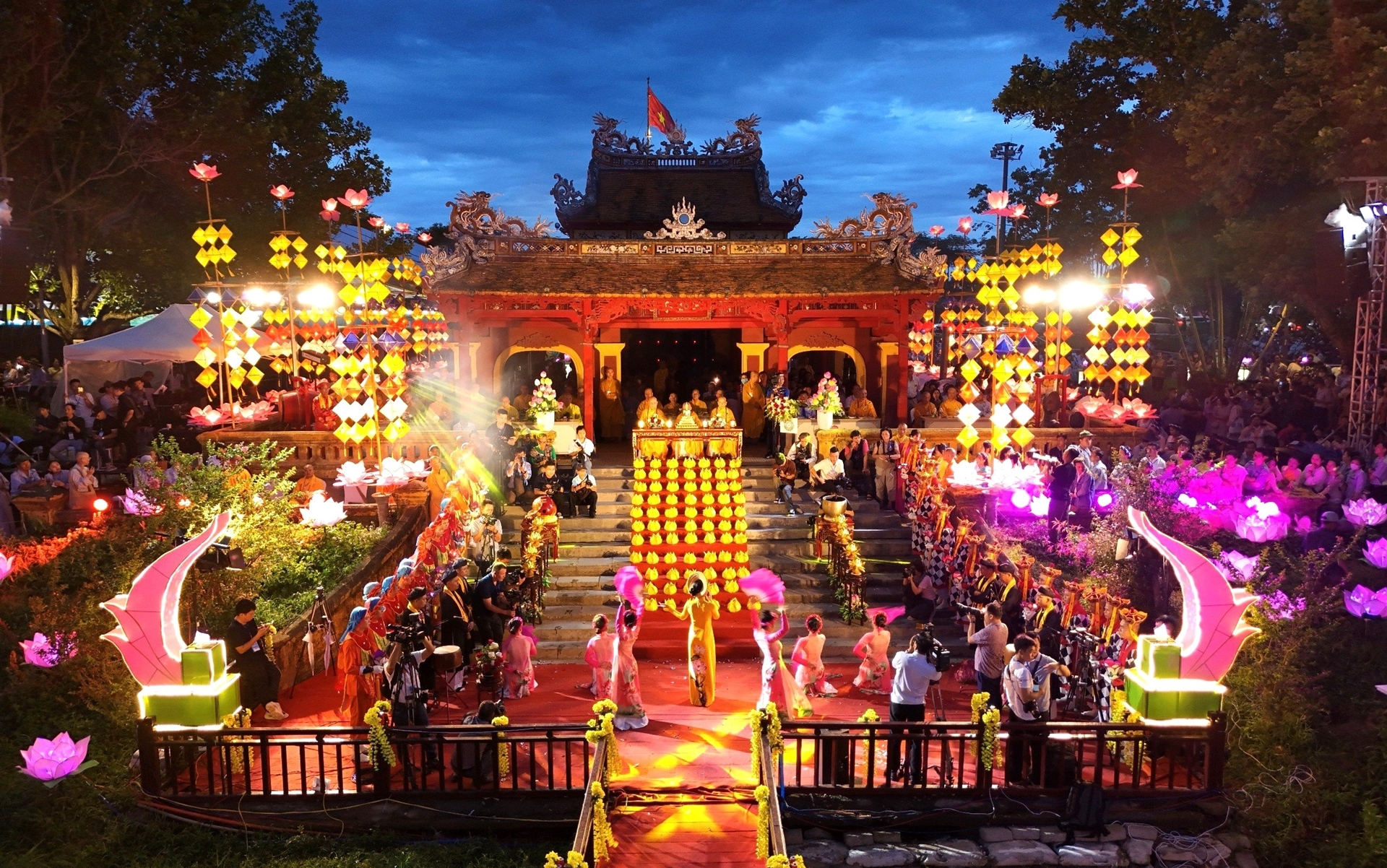
Performers in royal attire at the Hue Festival, a grand celebration of Vietnam's imperial history.
3.3. Mid-Autumn Festival: A Magical Night for Children and Families
Known as Tet Trung Thu, the Mid-Autumn Festival is a delightful and heartwarming celebration held on the 15th day of the 8th lunar month. While it has ancient agricultural roots tied to the harvest moon, today it is primarily considered a festival for children. As the full moon brightly illuminates the night sky, streets across Vietnam glow with the light of countless colorful lanterns.
Children parade through their neighborhoods with lanterns of all shapes and sizes—stars, carps, and modern cartoon characters—singing songs and enjoying the festive atmosphere. Families gather to share mooncakes, a rich pastry filled with sweet bean paste, salted egg yolk, and other delicacies. It’s a time of simple joys and family unity, offering a warm and accessible glimpse into Vietnamese values. For travelers, the best places to experience the magic are the old towns of Hanoi and Hoi An, where lantern-making and folk performances create an unforgettable ambiance. It's a perfect example of a Vietnam Traditional Festival that beautifully blends tradition with family-focused fun.
.png)
Children carrying traditional star-shaped lanterns during the Mid-Autumn Festival, a highlight of Vietnam's family-oriented celebrations.
4. A Deeper Dive: Regional Vietnam Traditional Festivals
Beyond the major national events, Vietnam's diverse geography and ethnic makeup give rise to a fascinating array of regional festivals, each with its own unique character.
4.1. Northern Vietnam: Echoes of Legends and Folk Traditions
The north, the cradle of Vietnamese civilization, hosts some of the country's most historically significant festivals. The Hung Kings' Temple Festival, held on the 10th day of the 3rd lunar month in Phu Tho province, honors the nation's legendary founders. It's a patriotic pilgrimage site where millions gather for incense-offering ceremonies, processions, and traditional performances. Another key event is the Lim Festival in Bac Ninh province, which celebrates Quan Ho folk singing, a UNESCO-recognized heritage. Here, elaborately costumed men and women sing courtship duets from dragon boats on a lake, creating a truly enchanting spectacle. These northern events offer a profound connection to the historical and artistic roots of Vietnam Traditional Festivals.

Quan Ho folk singers performing on a boat during the Lim Festival, a unique cultural experience in Northern Vietnam.
4.2. Central Vietnam: Coastal Heritage and Ancient Rites
The central coast, with its history as a melting pot of cultures, features festivals that reflect this diverse heritage. The Kate Festival in Ninh Thuan is the most important event for the Cham people, an ethnic group with roots in the ancient Champa kingdom. It's a vibrant celebration with traditional music, dance, and religious ceremonies held at ancient Cham towers. Further north, the Hoi An Lantern Festival turns the charming ancient town into a fairytale setting on the full moon of each month. The electricity is switched off, and thousands of silk lanterns and small floating candles illuminate the streets and the Thu Bon River, creating an intimate and magical atmosphere that has become a favorite among travelers seeking a quieter, more romantic Vietnam Traditional Festival.
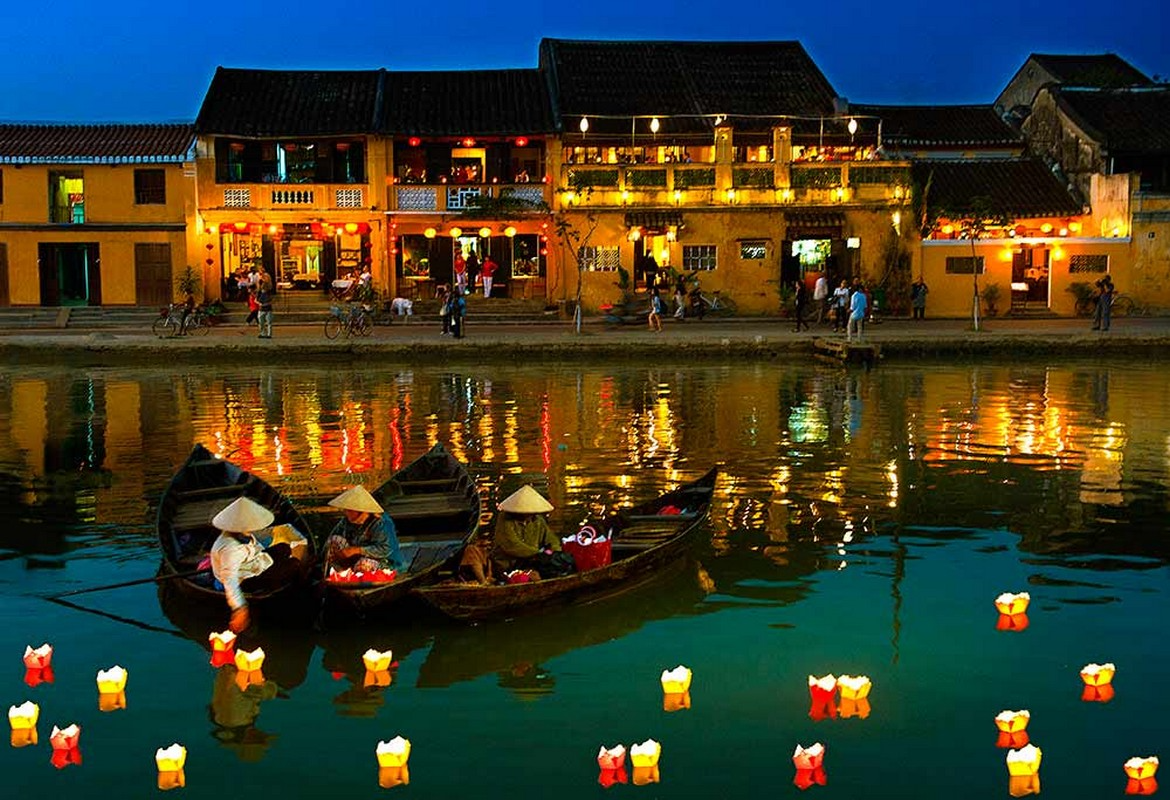
Floating lanterns on the Thu Bon River in Hoi An, a monthly ritual that transforms the ancient town.
4.3. Southern Vietnam: The Vibrant Spirit of the Mekong
The festivals of southern Vietnam are deeply connected to the rhythms of the Mekong Delta and its Khmer cultural influences. The Ok Om Bok Festival, celebrated by the Khmer people in Soc Trang and Tra Vinh, gives thanks to the Moon God for a good harvest. The highlight is a thrilling Ngo boat race, where teams of men in long, decorated wooden boats paddle in unison to the sound of drums, creating an electrifying atmosphere. In Chau Doc, the Ba Chua Xu Festival at Sam Mountain is a massive pilgrimage where devotees come to honor a local goddess, praying for business success and good health. These southern events showcase the region's unique spiritual identity and agricultural traditions.
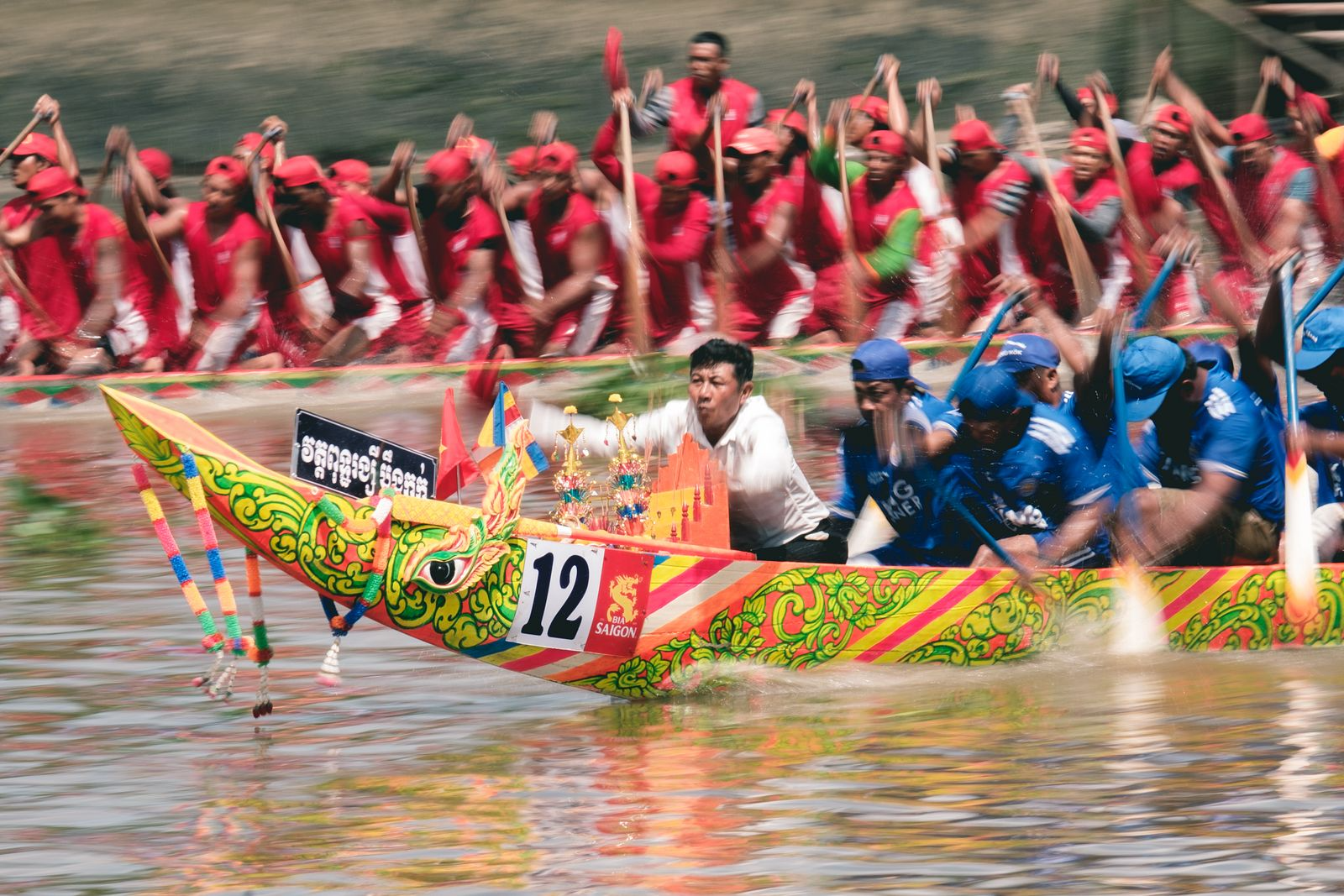
The exhilarating Ngo boat race is a central part of the Ok Om Bok festival in the Mekong Delta.
5. How to Plan Your Vietnam Traditional Festivals Trip
To make the most of your festival experience, thoughtful planning is key. Since dates are based on the lunar calendar, they change every year, so the first step is to confirm the exact timing. Major events like Tet and the Hue Festival draw huge crowds, making it essential to book flights, trains, and accommodations several months in advance. Combining a festival with a broader cultural tour can provide deeper context and a more rounded travel experience.
This is where the expertise of a local partner like GrandViet Tour becomes invaluable. We monitor festival schedules and customize itineraries to ensure you are in the right place at the right time. We handle all the advance bookings and can often provide access to special viewing areas or experiences that are not available to the general public. Our goal is to remove the logistical stress, allowing you to fully immerse yourself in the celebration and the magic of your chosen Vietnam Traditional Festival.
6. Essential Etiquette for Festival-Goers
Attending a Vietnam Traditional Festival is a privilege, and showing respect for local customs is crucial for a positive experience. When visiting temples, pagodas, or other sacred sites, always dress modestly. This means covering your shoulders and knees; avoid shorts, short skirts, and tank tops. Vietnamese people are generally welcoming, but it's polite to ask for permission before taking close-up photographs of people, especially during religious ceremonies.
During festivals, you may be invited to share food or drink. Accepting with a smile and a nod is a gracious way to participate. If you are unsure about a particular custom, observe what others are doing or quietly ask your guide. Learning a few basic Vietnamese phrases like "Xin chào" (Hello) and "Cảm ơn" (Thank you) will be greatly appreciated and can open doors to more meaningful interactions. By being a respectful and mindful observer, you honor the culture and enrich your own travel experience.
7. Experience Authentic Vietnam Traditional Festivals with GrandViet Tour
Navigating a major festival in a foreign country can be overwhelming. GrandViet Tour transforms this challenge into a seamless and deeply rewarding adventure. Our local expertise is your advantage, helping you bypass the crowds, secure the best viewing spots, and gain a true understanding of the traditions you are witnessing. We don't just take you to a festival; we immerse you in it.
Whether it's arranging a private boat to watch the Quan Ho singers at the Lim Festival, organizing a home visit during Tet, or ensuring you have tickets to the premier events at the Hue Festival, our team creates personalized itineraries that place you at the heart of the celebration. Our guides are not just experts in history and logistics; they are cultural interpreters who share the stories and significance behind the rituals, bringing each Vietnam Traditional Festival to life.
Why choose GrandViet Tour?
-
Local Insight: Deep knowledge of festival schedules, cultural nuances, and the best ways to experience them.
-
Exclusive Access: Connections that provide unique opportunities beyond the reach of typical tourists.
-
Stress-Free Planning: We handle all logistics, from transport and accommodation to tickets and timing.
-
24/7 Support: Our team is always available to assist you, ensuring a smooth and safe journey.
8. Conclusion: Your Invitation to Vietnam's Celebrations
More than just colorful parties, Vietnam Traditional Festivals are a profound expression of the nation's history, spirituality, and enduring community spirit. They offer a unique opportunity to step beyond the usual tourist trail and connect with the culture on a deeper, more personal level. From the solemn rituals of an ancient pilgrimage to the joyous chaos of a New Year's celebration, these events create memories that last a lifetime.
Planning a trip around a festival requires expertise and careful timing, but the reward is an extraordinary journey into the heart of Vietnam. Let GrandViet Tour be your guide. With our deep cultural understanding and logistical expertise, we can help you craft an itinerary that allows you to witness these incredible celebrations in the most authentic and meaningful way. Contact us to start planning your cultural adventure.
9. Frequently Asked Questions
Q: When is the best time to experience Vietnam Traditional Festivals? A: It depends on the festival. Tet is in late Jan/Feb, the Hue Festival is biennial around April/May, and the Mid-Autumn Festival is in Sep/Oct. Always check the lunar calendar for the specific year you plan to travel.
Q: Do I need to book accommodations far in advance for festivals? A: Yes, absolutely. For major events like Tet, the Hue Festival, or the Hung Kings' Festival, it is crucial to book flights and hotels at least 3-6 months ahead, as the entire country is on the move.
Q: Are these festivals suitable for families with children? A: Many are! The Mid-Autumn Festival is specifically for children and is a magical experience for them. Other festivals with parades, music, and games can also be very engaging for families.
Q: What should I wear when attending a Vietnam Traditional Festival? A: Dress respectfully, especially for events at temples or pagodas. Lightweight clothing that covers your shoulders and knees is the best choice. For outdoor festivals, comfortable shoes are a must.
Q: Can I participate in festival activities as a foreign visitor? A: Yes, visitors are often welcome to participate respectfully. Whether it's floating a lantern or trying a traditional game, participation is a great way to connect. Always be mindful and follow local customs.
Q: How can I find the exact dates for the festivals? A: The dates change each year with the lunar calendar. The most reliable way is to consult an updated calendar for your travel year or ask a local expert like GrandViet Tour for precise information.
Other articles

© GrandViet Tour Co., Ltd. - International Tour Operator Licence 01-217/TCDL-GPLHQT.
Copyright © 2006 - 2020. All Rights Reserved.